Cortisol wreaks havoc on your skin and hair through inflammation, oil production, and collagen breakdown. Here's what's really happening and how to fix it.
Your skin breaks out before big presentations. Your hair seems to shed more after a hard few months. A patch of eczema flares when work piles up. Stress plays a part in all three, and cortisol is one piece of how.
The research on cortisol effects on skin and hair is patchier than most articles admit. Some of it is in people, some only in mice, and a lot comes from steroid medicines rather than everyday stress. Here's which is which.
One thing first: most stress-related skin and hair changes ease when the stress does. They aren't proof that your cortisol is "too high," and cortisol tests aren't used to diagnose them.
What Cortisol Actually Does to Your Skin
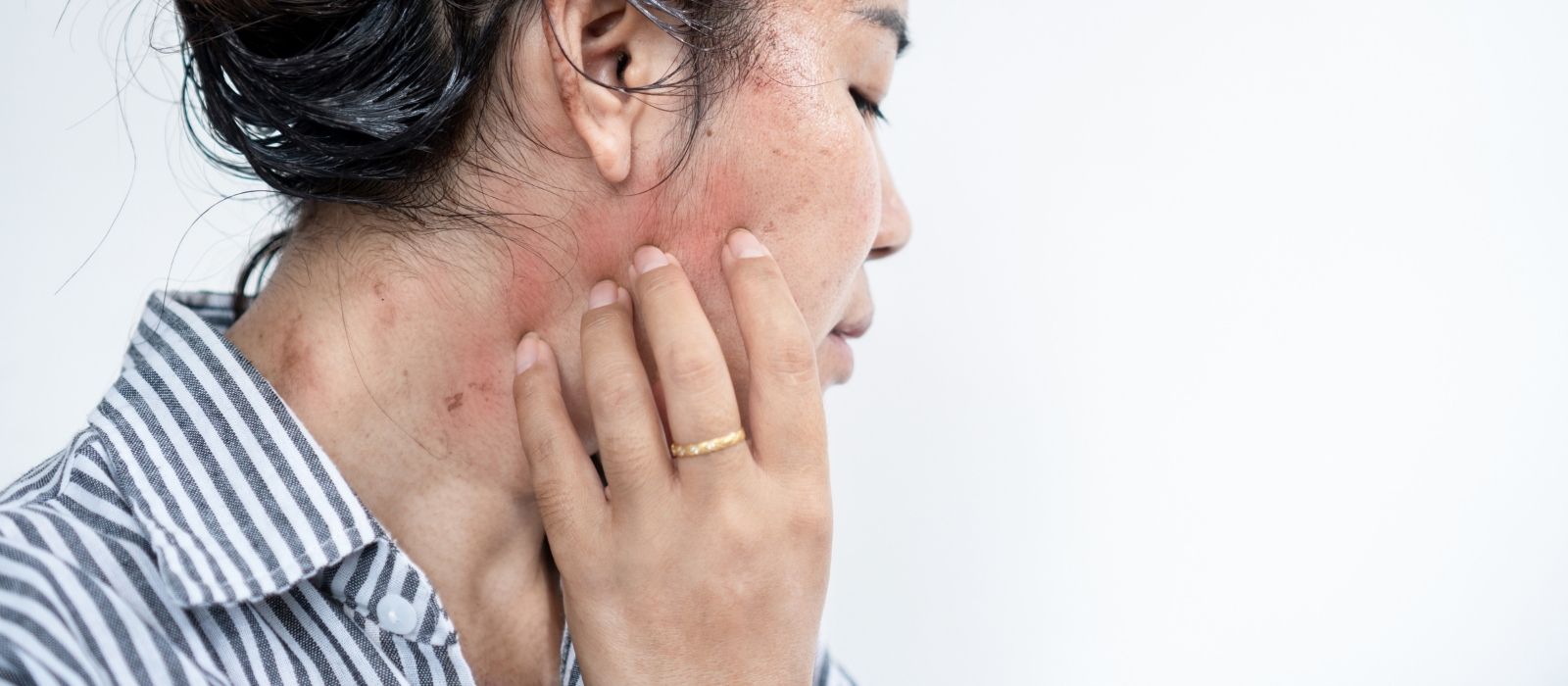
Plenty of people notice breakouts during stressful stretches, but how stress drives acne is less settled. The popular idea that cortisol simply makes your oil glands pump out more oil is an oversimplification, since stress affects inflammation and skin repair too.
Long-term steroid medicines, and Cushing's syndrome, where cortisol stays very high, are well known to thin the skin and slow healing. Whether ordinary stress does the same to a degree you'd notice hasn't been shown.
Stress may also weaken your skin barrier, the outer layer of lipids that keeps water in and irritants out. That's one reason long-running emotional stress and eczema flares often travel together. How much of that is cortisol, rather than other stress signals, is still being worked out.
How Stress Hormones Disrupt Hair Growth
Some of the clearest evidence comes from mice. In a 2021 Nature study in mice, corticosterone, the rodent version of cortisol, kept hair follicle stem cells dormant, and removing it pushed follicles into more growth cycles. It hasn't been confirmed in human scalps.
In people, the best-known pattern is telogen effluvium, where a shock to the body pushes many hairs into their resting phase at once. According to an NIH clinical review, triggers include a high fever, surgery, childbirth and crash dieting, and shedding usually starts about three months later, lasts under six months and is generally reversible. That delay is why stress hair loss often shows up long after the event.
The claims that cortisol shrinks follicles or makes you more sensitive to DHT, the hormone behind pattern hair loss, aren't supported by human studies. If your part is widening or your hairline is thinning, see a dermatologist. That's more likely female pattern hair loss, which has its own treatments.
Stress also tends to go hand in hand with flaky, itchy scalp flares, much as it does with skin conditions on your face. If you're dealing with bumps, flakes or other scalp problems that interfere with healthy hair growth, treat the scalp directly rather than waiting for life to calm down.
Why Most Cortisol-Lowering Advice Doesn't Work
You've read that meditation, exercise and better sleep lower cortisol, and there's some evidence for each. But adding three new habits to an overloaded week can make it feel heavier, not lighter.
Start by removing things instead. Caffeine raises cortisol, though a 2005 trial of 96 adults found the effect shrinks in people who drink it daily, so late-afternoon coffee is an easy thing to drop. Long gaps without food leave many people shaky and irritable, whatever they do to cortisol.
Sleep matters too. Fewer wake-ups and a regular bedtime are worth aiming for; see how sleep disruptions affect your skin and hair.
What Actually Helps Over the Long Term
Magnesium glycinate before bed is popular, but there's little evidence it changes cortisol. If you take it, the NIH sets an upper limit of 350 mg a day from supplements for adults. Magnesium from foods like pumpkin seeds and spinach doesn't count toward that.
There's no good evidence that cold showers or ice baths help skin or hair through cortisol. Chronic stress from work, money or relationships is the bigger, harder target.
Regular meals are a sensible base. Eating at roughly the same times, with protein at breakfast, keeps energy steadier for many people, though claims that it prevents cortisol spikes go beyond the evidence.
Scalp massage feels good and may help you relax. Whether it lowers cortisol in your scalp hasn't been tested.
FAQ
How long does it take for skin and hair to improve after lowering cortisol
Skin often settles within weeks once a stressful period passes, but it varies a lot. Stress-related shedding usually stops within six months, and regrowth can take several more months to show because hair grows slowly.
Can cortisol cause permanent hair loss
Telogen effluvium, the shedding that follows a major shock to the body, is generally reversible. There's no good evidence that stress hormones permanently shrink follicles. If shedding lasts longer than six months or your part is widening, see a dermatologist to check for pattern hair loss or causes like low iron or thyroid problems.
What cortisol levels are too high for skin and hair health
There isn't a cortisol number linked to skin or hair problems. Cortisol tests are used to diagnose conditions like Cushing's syndrome and Addison's disease, results depend on the time of day, and stress or exercise can raise a single reading. If you're worried, ask your doctor rather than ordering a saliva test online.
This article is for informational purposes only. It is not a substitute for professional medical advice, diagnosis, or treatment. Always consult a qualified healthcare provider before making changes to your health routine.