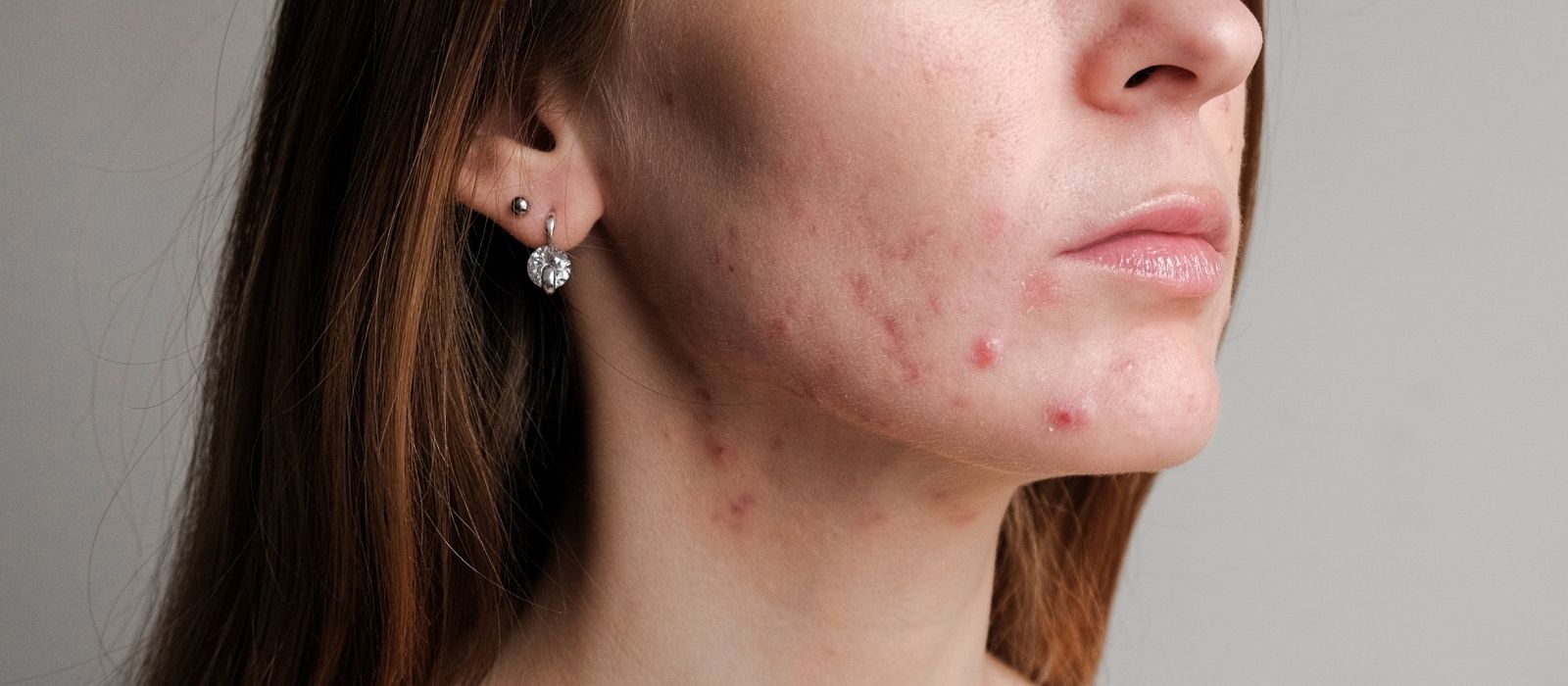
Skin purging is real but it's also the most misused excuse in skincare. Here's how to tell the difference and how long to actually wait it out.
You started a new retinol. Three weeks later, your face looks like a battlefield. The question isn't whether your skin is purging. It's whether you should keep going or cut your losses.
Skin purging gets blamed for every skincare disaster, but most people can't tell the difference between purging and plain old breakouts. One means your routine is working. The other means you need to stop immediately. Getting this wrong costs you months of damage and a lot of money on products that were never going to work.
Real purging happens when active ingredients speed up cell turnover, forcing existing clogs to surface faster than normal. Your skin isn't creating new problems, it's revealing ones that were already forming deep in your pores. Breakouts from irritation or clogged pores create entirely new blemishes that wouldn't have appeared otherwise.
How to Tell Skin Purging Apart From Regular Breakouts
Purging only happens in areas where you normally break out. If you usually get pimples on your chin and forehead, that's where purging appears. If you suddenly have breakouts on your cheeks where your skin is typically clear, that's not purging, that's a reaction.
The timing tells the real story. Purging starts within the first two weeks of using an active ingredient. It peaks around week three or four, then gradually improves. Reaction breakouts can start immediately or take months to develop, and they don't follow a predictable pattern.
Purging pimples move through their lifecycle faster than normal breakouts. They surface, come to a head, and heal within days instead of lingering for weeks. Regular breakouts from clogged pores or irritation stick around longer and often leave more post-inflammatory hyperpigmentation.
Only certain ingredients cause purging: retinoids, alpha hydroxy acids like glycolic and lactic acid, beta hydroxy acid (salicylic acid), and benzoyl peroxide. These speed up cell turnover or deep-clean pores. If you're breaking out from a gentle cleanser or moisturizer, that's not purging, those products don't have the mechanism to cause it.
The Real Timeline: How Long Purging Actually Lasts
Skin purging lasts 4-6 weeks maximum for most people. Your skin completes a full turnover cycle every 28 days on average, so one complete cycle should be enough to bring existing clogs to the surface. If you're still getting new breakouts after 6 weeks, you're not purging anymore.
People with slower cell turnover, typically those over 30 or with very dry skin, might see purging extend to 8 weeks. But if you hit the 8-week mark without clear improvement, the product isn't working for your skin type.
The purging timeline isn't linear. Week one might be mild. Week three could be the worst your skin has looked in years.
Week five should show noticeable improvement, even if you're still getting occasional pimples. By week six, your skin should look better than when you started.
When to Stop and When to Push Through
Stop immediately if you develop persistent redness and irritation that doesn't calm down between applications. Purging doesn't cause widespread inflammation, just localized pimples in your usual problem areas.
Stop if breakouts spread to areas where you never break out normally. Your temples, upper cheeks, or jawline suddenly erupting means the product is clogging your pores or causing an allergic reaction.
Stop if your skin barrier shows signs of damage: constant stinging, peeling that won't heal, or enlarged-looking pores from over-exfoliation. A damaged barrier makes every skincare problem worse and takes months to repair.
Push through if breakouts stay in your normal problem zones, follow the expected timeline, and heal faster than your typical pimples. Your skin might look worse temporarily, but you should notice that individual blemishes resolve more quickly than before.
The key difference is trajectory. Purging gets progressively better after the initial surge. Reaction breakouts either stay constant or get worse over time. If week six looks the same as week two, you're dealing with incompatible ingredients, not purging.
Remember that dull-looking skin can be part of the purging process as dead cells shed more rapidly. This usually resolves within the same 4-6 week window as the breakouts.
Frequently Asked Questions
Can moisturizer cause skin purging?
No, moisturizers can't cause purging because they don't contain active ingredients that speed up cell turnover. If you're breaking out from a new moisturizer, it's either clogging your pores or you're having an allergic reaction. Switch to a different formula.
How long does retinol purging last?
Retinol purging typically lasts 4-6 weeks, with the worst breakouts occurring around weeks 3-4. If you're still getting new pimples after 8 weeks of consistent use, the retinol concentration might be too strong for your skin or you need to adjust your routine.
What does skin purging look like vs regular breakouts?
Purging appears as faster-healing pimples in areas where you normally break out, starting within 2 weeks of using an active ingredient. Regular breakouts can appear anywhere on your face, take longer to heal, and don't follow a predictable timeline of improvement.
This article is for informational purposes only. It is not a substitute for professional medical advice, diagnosis, or treatment. Always consult a qualified healthcare provider before making changes to your health routine.