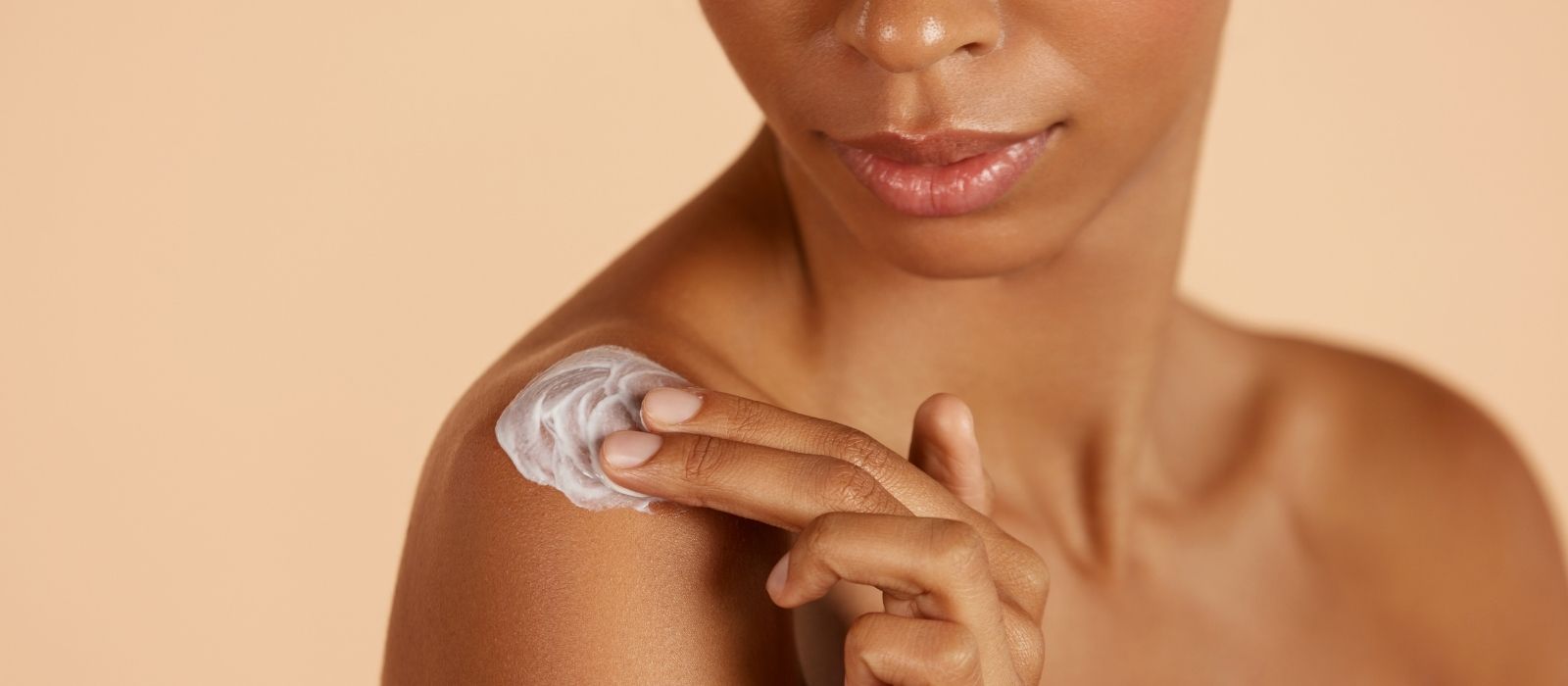
Most people put significant effort into their face and almost none into their body skin. Here's why the gap exists and how to actually close it.
You spend twenty minutes every morning layering serums, moisturizers, and SPF on your face. Meanwhile, your body gets soap, water, and maybe lotion if you remember. Three months later, your face glows while your arms look like sandpaper and your legs have patches that makeup can't cover.
The difference isn't genetics. It's attention. Your body skin has thinner oil glands, gets exposed to harsher conditions, and receives a fraction of the care your face gets. The gap shows up as roughness, uneven tone, and that perpetually ashy look that no amount of drugstore lotion seems to fix.
Here's what actually works: treating your body skin care routine with the same intention you bring to your face. Not the same products, but the same consistency and specific targeting of issues instead of hoping one generic moisturizer handles everything.
Why Body Skin Ages Differently Than Face Skin
Your face has roughly 900 sebaceous glands per square centimeter. Your arms and legs have about 100. That means your body produces significantly less natural oil to protect against water loss and environmental damage. Add hot showers, rough towels, and synthetic fabrics, and you're stripping what little protection exists.
Body skin also turns over cells more slowly than facial skin. Dead skin builds up longer, creating that rough texture and preventing products from absorbing properly. Chemical exfoliation that works on your face works on your body too, but most people never think to extend their routine below their neck.
The clothing factor matters more than skincare marketing admits. Tight jeans, synthetic workout gear, and rough fabrics create constant friction that leads to darkened areas, ingrown hairs, and irritation. Your face doesn't deal with elastic waistbands and underwire bras.
The Real Difference Between Face and Body Skin
Thickness varies dramatically across your body. The skin on your shins is nearly as thin as your face, while your back and chest are much thicker. This means products that work perfectly on your face might be too gentle for your back but too strong for your décolletage.
Melanin distribution also changes. Areas that see more friction and heat tend to develop hyperpigmentation faster than your face. Elbows, knees, underarms, and the back of your neck darken more easily and clear more slowly. The same uneven tone issues that affect facial skin happen on the body, but get ignored for years.
Building an Actually Effective Body Skin Care Routine
Start with exfoliation twice a week using a chemical exfoliant with glycolic or lactic acid. Physical scrubs create micro-tears and worsen ingrown hairs. Look for body lotions with 5-10% glycolic acid or use a dedicated body exfoliant.
Layer moisture immediately after showering while your skin is still damp. This traps water and prevents the tight feeling that comes from water evaporating off clean skin. Your face gets this treatment automatically because you apply products right after washing. Your body needs the same timing.
Target specific issues with specific ingredients. Keratosis pilaris on your arms responds to urea and salicylic acid. Dark underarms and inner thighs need kojic acid or hydroquinone.
Rough heels need higher concentrations of urea or lactic acid. Occlusive treatments that seal in moisture work on problem areas like elbows and knees.
Apply SPF to exposed areas daily, not just beach days. Your chest, arms, and hands age faster than your face when they get consistent UV exposure without protection. The neck area especially shows age quickly because it gets sun exposure but rarely gets the same protective routine as your face.
Why Most Body Lotions Don't Work
Generic moisturizers contain mostly water and basic emollients. They feel good temporarily but don't address the underlying issues that make body skin look different from face skin. They don't exfoliate buildup, target hyperpigmentation, or provide lasting hydration for skin with fewer oil glands.
The products that actually work cost more and require consistency. A body lotion with active ingredients runs $15-25 instead of $6. Chemical exfoliants specifically for the body cost $20-40. But these products address root causes instead of temporarily masking symptoms.
Consistency matters more than expensive products. Using a basic routine daily beats using premium products sporadically. Just like facial routines, body routines stop working when you stop doing them.
FAQ
How long does it take to see results from a proper body skin care routine?
Most people notice smoother texture within 2-3 weeks of consistent exfoliation and moisturizing. Hyperpigmentation and tone issues take 8-12 weeks to show significant improvement.
Can I use my face products on my body skin?
Yes, but it gets expensive quickly and face products often aren't strong enough for thicker body skin. Body-specific products with higher concentrations of active ingredients work better and cost less per ounce.
Why does my body skin look ashy even after moisturizing?
Ashy appearance usually means dead skin buildup that moisturizer sits on top of instead of absorbing. Regular exfoliation removes the buildup so moisturizers can actually penetrate and hydrate living skin cells.
This article is for informational purposes only. It is not a substitute for professional medical advice, diagnosis, or treatment. Always consult a qualified healthcare provider before making changes to your health routine.