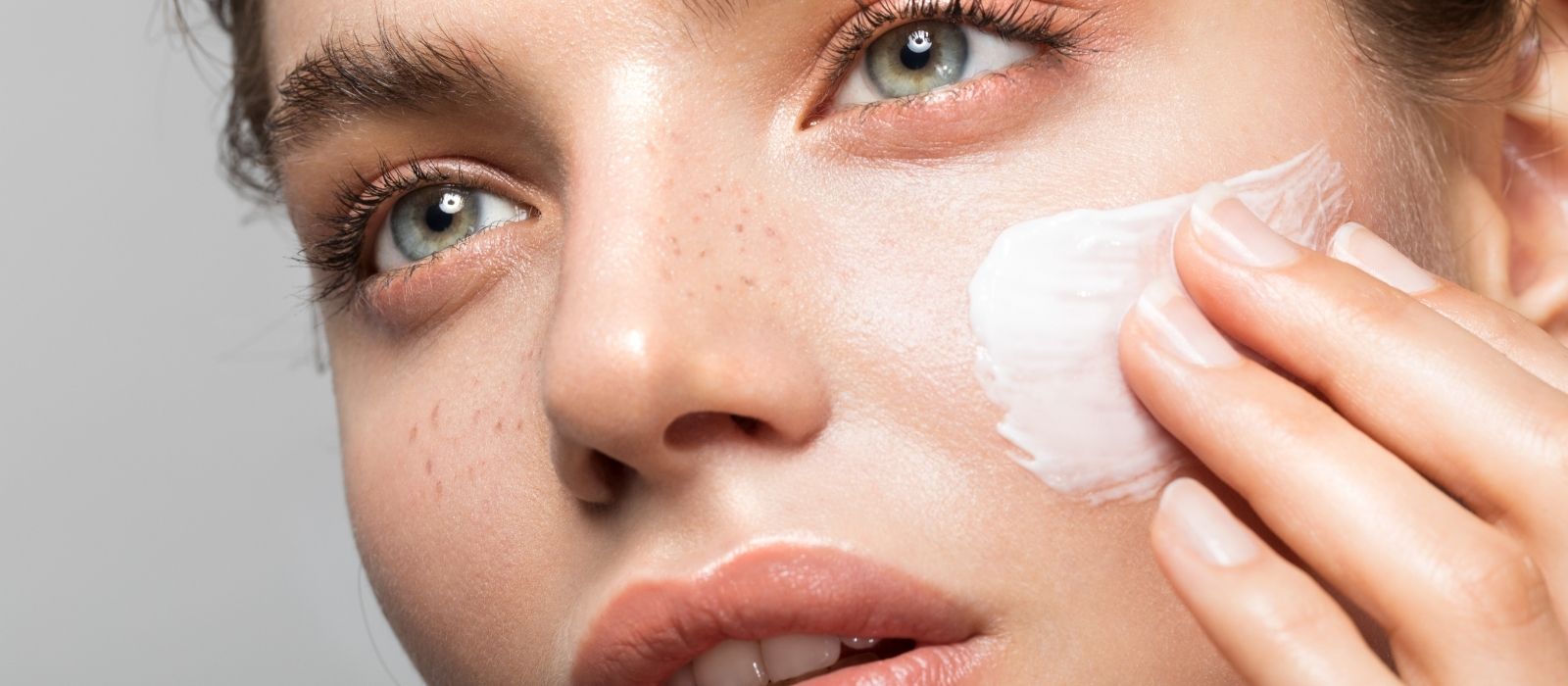
Slugging is one of the more polarising skincare trends, because it works brilliantly for some skin types and terribly for others. Here's how to know which camp you're in.
You slather Vaseline all over your face before bed and wake up with skin that looks like you drank ten glasses of water and got eight hours of sleep. Or you wake up with clogged pores and bumps that weren't there yesterday.
That's slugging in a nutshell. It's one of the more polarising skincare trends because it works brilliantly for some skin types and makes others worse within days. The difference comes down to what your skin barrier is actually doing and whether trapping moisture helps or hurts your specific situation.
Slugging skincare means sealing your entire nighttime routine with an occlusive product, usually petroleum jelly, but sometimes heavier oils or balms. The name comes from the shiny, slug-like appearance your face takes on. You're creating a physical barrier that prevents water loss overnight, which can transform dehydrated skin but suffocate skin that's already producing enough oil or struggling with congestion.
How Slugging Actually Works
Your skin loses water constantly through a process called transepidermal water loss. At night, that loss speeds up because your skin repair processes kick into high gear, and heated indoor air pulls moisture from your skin faster than cool, humid air.
Slugging creates a seal that blocks that water from escaping. It doesn't add moisture, it prevents the moisture already in your skin from leaving. That's why slugging works best when you apply it over hydrating products like hyaluronic acid serums or moisturizers that actually contain water.
Petroleum jelly is the gold standard for this because it's completely occlusive. According to research from the University of California San Francisco, petroleum jelly reduces water loss by up to 99%. Nothing else comes close to that level of barrier protection.
Who Should Actually Try Slugging
Slugging works best for people with genuinely dry or dehydrated skin. If your skin feels tight after cleansing, looks dull even with moisturizer, or shows fine lines that disappear when you apply face oil, you're probably dealing with compromised barrier function. Slugging can reset that.
It's particularly effective for people with eczema, dermatitis, or skin that's been damaged by over-exfoliation or harsh weather. A study in the Journal of Investigative Dermatology found that people with compromised skin barriers saw significant improvement in hydration and barrier repair when using occlusive treatments consistently.
People with naturally oily or combination skin can still benefit from slugging, but only on the areas that actually need it. If your cheeks are dry but your T-zone produces oil, slug only the dry areas. Your skin varies dramatically across different areas of your face and body.
Who Should Skip Slugging Completely
If you're dealing with active acne, slugging will likely make it worse. Petroleum jelly doesn't cause acne directly, but it can trap bacteria and dead skin cells that contribute to breakouts. The same occlusive properties that help dry skin can suffocate acne-prone skin that needs to breathe and shed cells normally.
People with fungal acne should definitely avoid slugging. Malassezia, the yeast that causes fungal acne, thrives in occlusive environments. Sealing it under petroleum jelly creates the exact conditions it loves.
If you're using active ingredients like tretinoin, salicylic acid, or benzoyl peroxide, slugging can intensify their effects to the point of irritation. The occlusive barrier doesn't just trap moisture, it traps active ingredients too, making them penetrate deeper and work stronger than intended.
The Right Way to Slug
Start with clean skin and your regular skincare routine. Apply any serums, treatments, and moisturizer first. Slugging comes last, as the final seal over everything else.
Use a thin layer, just enough to create a barrier without feeling greasy. A pea-sized amount should cover your entire face. Apply it gently without rubbing it in completely. You want it to sit on top of your skin, not absorb.
Try it 2-3 times per week first. Daily slugging can be too much even for dry skin. Your skin needs time to adjust to any new routine, especially one this intensive.
If you wake up with new breakouts or irritation after a few attempts, stop. This isn't purging, it's your skin telling you that occlusive treatments aren't right for your skin type right now.
Alternatives That Work Better
If petroleum jelly feels too heavy, try squalane oil or a heavier night cream instead. These provide some occlusive benefits without completely sealing your skin. Ceramide-rich moisturizers can repair your barrier function without the intensity of full slugging.
For people who want the hydration benefits without the breakout risk, skin flooding layers lightweight hydrating products instead of sealing everything under an occlusive.
FAQ
Does slugging clog pores?
Petroleum jelly itself doesn't clog pores, but it can trap other things that do. If you have acne-prone skin or don't cleanse thoroughly before slugging, it can contribute to breakouts.
Can I slug with something other than Vaseline?
Yes, but petroleum jelly is the most effective occlusive. Alternatives like shea butter, coconut oil, or heavy balms work but won't seal moisture as completely.
Should I slug every night?
Start with 2-3 times per week. Daily slugging can overwhelm your skin and lead to milia or clogged pores, even on dry skin types.
This article is for informational purposes only. It is not a substitute for professional medical advice, diagnosis, or treatment. Always consult a qualified healthcare provider before making changes to your health routine.