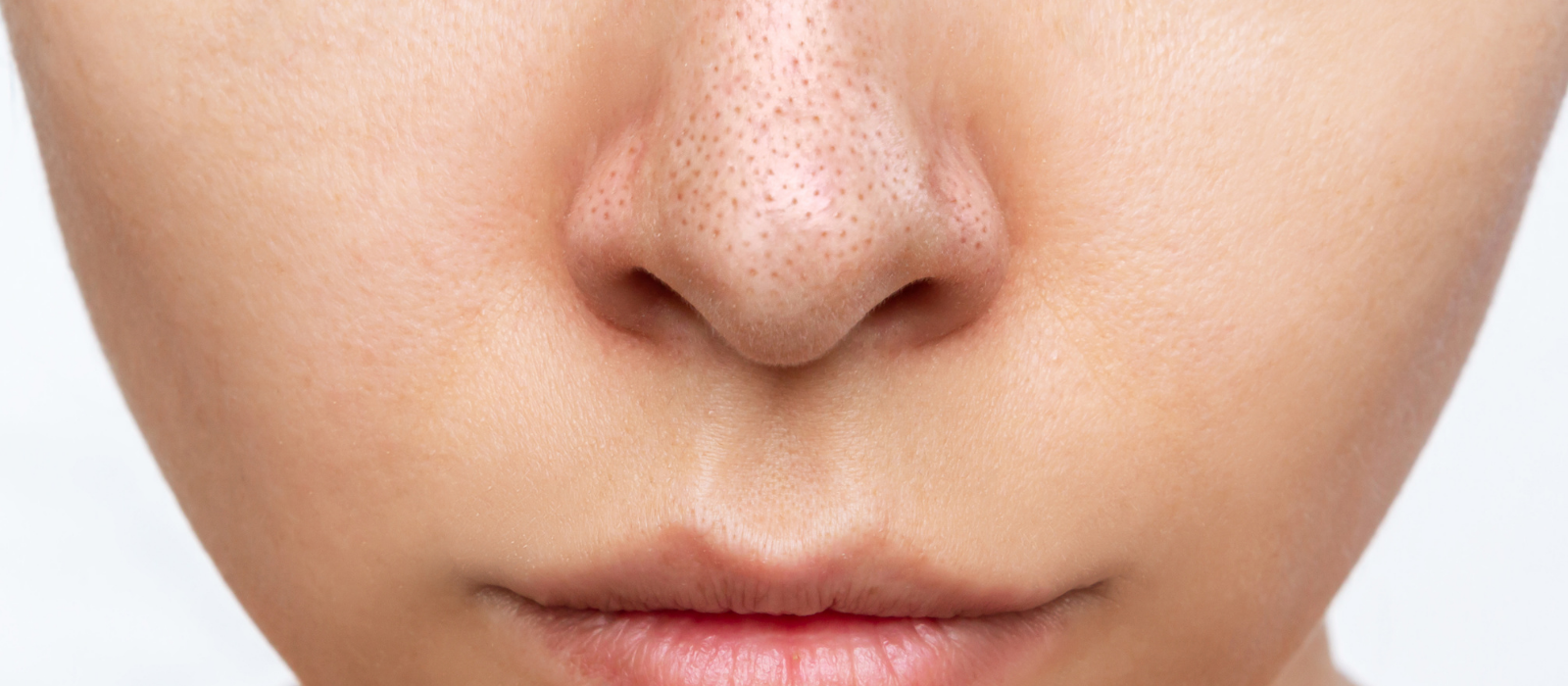
Those gray dots on your nose aren't blackheads, they're sebaceous filaments. Learn the difference and why trying to extract them might be making things worse.
You squeeze, extract, use pore strips. The gray dots on your nose disappear for a day, maybe two. Then they're back, looking exactly the same as before. You start wondering if you're doing something wrong or if your pores are just permanently damaged.
Here's what's actually happening: those aren't blackheads. They're sebaceous filaments, and they're supposed to be there. The reason they keep coming back isn't because you're not extracting them properly, it's because you're trying to remove something your skin needs to function normally.
Sebaceous filaments are natural structures that help transport oil from deep within your pore to the surface of your skin. Blackheads are clogged pores filled with oxidized oil and dead skin cells. They look similar from a distance, but they're completely different problems that need opposite approaches.
The Real Difference Between Sebaceous Filaments and Blackheads
Sebaceous filaments appear as gray or yellowish dots, usually on your nose and chin where oil production runs highest. They're soft to the touch and lie flat against your skin. When you squeeze them, a thin, waxy substance comes out, that's the sebum traveling through the filament to reach your skin's surface.
Blackheads are darker, raised bumps that feel rough when you run your finger over them. The black color comes from oxidized sebum and dead skin cells that have been trapped in the pore opening. When extracted, they come out as a solid plug, often with a darker head and lighter tail.
The key difference is function. Sebaceous filaments are working pores doing their job. Blackheads are pores that have become clogged and stopped functioning properly. That's why sebaceous filaments refill within 24-48 hours after extraction, while properly removed blackheads stay clear for weeks.
Your nose has the highest concentration of oil glands on your face, which is why sebaceous filaments appear most prominently there. They're more visible on people with naturally oily skin or larger pores, but everyone has them, they're just less noticeable on some skin types.
Why Pore Strips and Extractions Don't Work Long-Term
Pore strips remove sebaceous filaments temporarily, but they also stretch your pore opening and remove the protective lining inside your pore. This makes your skin produce more oil to compensate, which means more visible filaments within days. You're creating the problem you're trying to solve.
Manual extraction does the same damage. Squeezing forces the sebaceous filament out, but it also inflames the pore walls and can cause permanent stretching. The filament reforms quickly because your skin needs that pathway to transport oil to the surface.
Professional extractions work better because estheticians know which dots are actually blackheads worth removing and which ones are functioning sebaceous filaments that should be left alone. They also use proper technique that minimizes pore damage.
What Actually Helps With Visible Sebaceous Filaments
Oil cleansing dissolves the sebum inside sebaceous filaments without forcibly removing the structure itself. Use a cleansing oil for 60 seconds before your regular cleanser. This softens the contents of the filaments and makes them less visible without damaging your pores.
Salicylic acid penetrates oil and helps regulate sebum production at the source. A 2% salicylic acid product used 2-3 times per week will gradually make sebaceous filaments less prominent by keeping the oil flowing smoothly through the filament rather than building up and oxidizing.
Regular gentle exfoliation with a BHA toner keeps dead skin cells from mixing with sebum and making filaments more visible. The key is consistency over intensity, over-exfoliating wrecks your skin barrier and actually makes oil production worse.
Clay masks once weekly can temporarily tighten the appearance of pores and absorb excess surface oil, making sebaceous filaments less noticeable. But they won't eliminate them because they're not meant to be eliminated.
When to Actually Worry About Those Dots
If the dots are raised, rough to the touch, or genuinely black rather than gray, they're likely blackheads that need proper treatment. Different types of bumps need different approaches, and blackheads respond well to consistent salicylic acid treatment and professional extractions.
Sebaceous filaments that suddenly become much more prominent or inflamed could indicate hormonal changes affecting oil production. This is worth addressing with a dermatologist, especially if you're also experiencing new breakouts along your jawline or chin.
The bottom line: those gray dots are normal. Your nose isn't broken, and you don't need to extract them. Focus on managing oil production gently rather than trying to eliminate something your skin needs to stay healthy.
FAQ
how do I know if I have blackheads or sebaceous filaments
Sebaceous filaments are gray or yellowish, flat against your skin, and refill within 1-2 days after extraction. Blackheads are darker, raised, rough to touch, and stay clear for weeks when properly removed. If you can squeeze them out easily and they return immediately, they're sebaceous filaments.
Is It Bad to Squeeze Sebaceous Filaments
Yes, squeezing damages your pore structure and can cause permanent stretching. It also removes the protective lining inside your pore, making your skin produce more oil to compensate. This makes the filaments more visible, not less.
Do Pore Strips Work for Sebaceous Filaments
Pore strips temporarily remove sebaceous filaments but damage your pore opening and make them more visible long-term. They stretch the pore, remove protective oils, and trigger increased oil production. Oil cleansing and salicylic acid work better without causing damage.
This article is for informational purposes only. It is not a substitute for professional medical advice, diagnosis, or treatment. Always consult a qualified healthcare provider before making changes to your health routine.