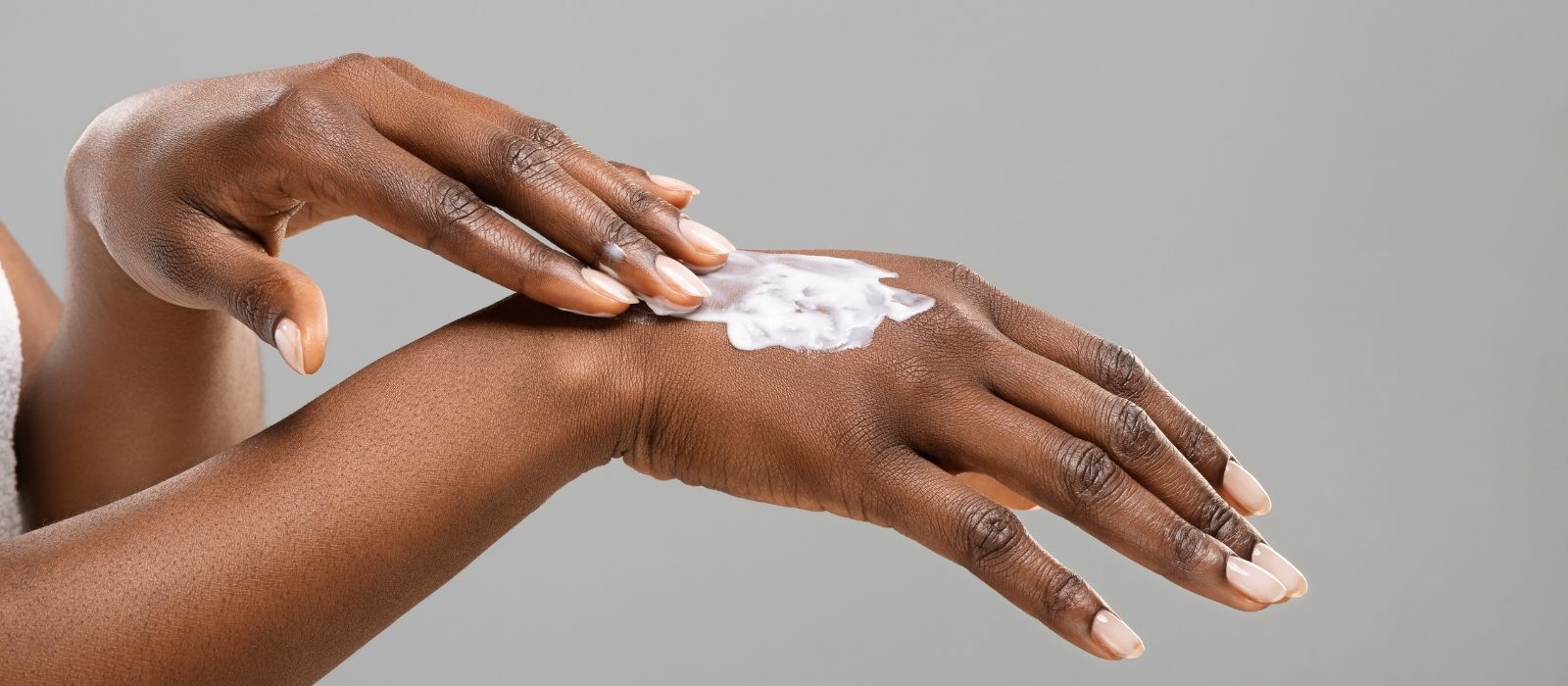
Your body skin is fundamentally different from facial skin. Learn why you need a separate body skin care routine guide for better results.
You spend fifteen minutes on your face every morning and night. Serum, moisturizer, SPF, the works. Then you hit your body with whatever lotion is closest to the shower and call it done.
That approach works until it doesn't. Your legs start looking ashy despite daily moisturizing. Your back breaks out no matter how clean you keep it. The dark patches on your elbows refuse to budge. Your body skin isn't just a larger version of your face — it's structurally different and needs different treatment.
Body skin is thicker, produces less oil, and faces different challenges than facial skin. The sebaceous glands on your torso and limbs are smaller and fewer, which means less natural moisture but also different acne patterns. Your body also deals with constant friction from clothes, longer sun exposure on arms and legs, and areas that rarely see products beyond basic soap.
Your Body Makes Less Oil Than Your Face
Facial skin has roughly 900 sebaceous glands per square centimeter. Your body averages 100. That's why your T-zone gets oily by noon while your shins stay dry all day. This difference matters because oil production affects everything from barrier function to how products absorb.
Face moisturizers are formulated for skin that produces its own oil. They're typically lighter and designed to work with your natural sebum. Body lotions need to replace that missing oil entirely. They contain heavier occlusives like petrolatum and dimethicone that would clog facial pores but work perfectly on oil-poor body skin.
The thickness difference is significant too. Body skin runs 3-5mm thick compared to facial skin's 1-2mm. Thicker skin needs stronger actives to penetrate effectively. A 2% salicylic acid body wash that would destroy your face works perfectly for treating body acne because it has more layers to work through.
Different Areas Need Different Approaches
Your chest and back produce more oil than your arms and legs, but less than your face. They're also covered by clothes most of the day, creating warm, humid conditions that encourage different bacteria growth. That's why body acne looks different from facial acne and responds to different treatments.
Areas with thinner skin — like your neck, décolletage, and the backs of your hands — age faster and show sun damage sooner. These zones need gentler exfoliation but stronger sun protection. A retinol cream that works on your face might irritate the delicate skin on your chest.
Then there are high-friction areas like knees, elbows, and heels where constant rubbing creates thick, sometimes darkened skin. These spots need mechanical exfoliation and ingredients that can penetrate built-up dead skin cells. Standard face products won't cut through that barrier.
What Actually Works for Body Skin Care
Start with a gentle cleanser that won't strip your already oil-poor skin. Skip antibacterial soaps unless you have active body acne — they're too harsh for daily use and disrupt your skin microbiome. Look for cleansers with ceramides or gentle surfactants like coco-glucoside.
Exfoliate 2-3 times per week, but match the method to the area. Salicylic acid or glycolic acid work well for areas prone to breakouts or keratosis pilaris. Physical exfoliation with a dry brush or scrub works better for thick skin on elbows and knees.
Choose your moisturizer based on your skin's oil production. Lighter lotions for your torso where you have some natural oil production, heavier creams for arms and legs where you don't. Apply to slightly damp skin to help lock in moisture.
For problem areas, target them specifically. Body acne needs different treatment than facial acne — stronger concentrations of salicylic acid or benzoyl peroxide that your thicker body skin can handle. Dark knees and elbows respond to urea or lactic acid combined with consistent exfoliation.
SPF matters more than you think. Your arms, hands, and décolletage get significant sun exposure daily. Use a separate body sunscreen — facial SPF is too expensive to use on large areas and often too light for effective coverage.
The Biggest Body Skincare Mistakes
Using facial products on your body wastes money and delivers poor results. That $40 face moisturizer won't work better than a $10 body lotion formulated for thicker, oil-poor skin.
Treating all body skin the same ignores the real differences between areas. Your back needs acne-fighting ingredients while your legs need heavy moisture. One-size-fits-all doesn't work when your body has distinct zones with different needs.
Inconsistency kills results. Your body has a larger surface area and slower cell turnover than your face. Changes take longer to show, which makes it tempting to switch products too quickly or skip days when you don't see immediate improvement.
FAQ
Can I use my face moisturizer on my body?
You can, but it's not cost-effective or optimal. Face moisturizers are formulated for oily skin with smaller pores. Body skin needs heavier formulas with more occlusive ingredients.
Why does my body skin look worse in winter?
Cold air and indoor heating strip moisture from skin that already produces less oil than your face. Winter conditions require switching to heavier moisturizers and more frequent application.
How long does it take to see results from a new body skincare routine?
Body skin cell turnover is slower than facial skin, so expect 6-8 weeks for texture improvements and 8-12 weeks for issues like keratosis pilaris or dark spots to show significant change.
This article is for informational purposes only. It is not a substitute for professional medical advice, diagnosis, or treatment. Always consult a qualified healthcare provider before making changes to your health routine.