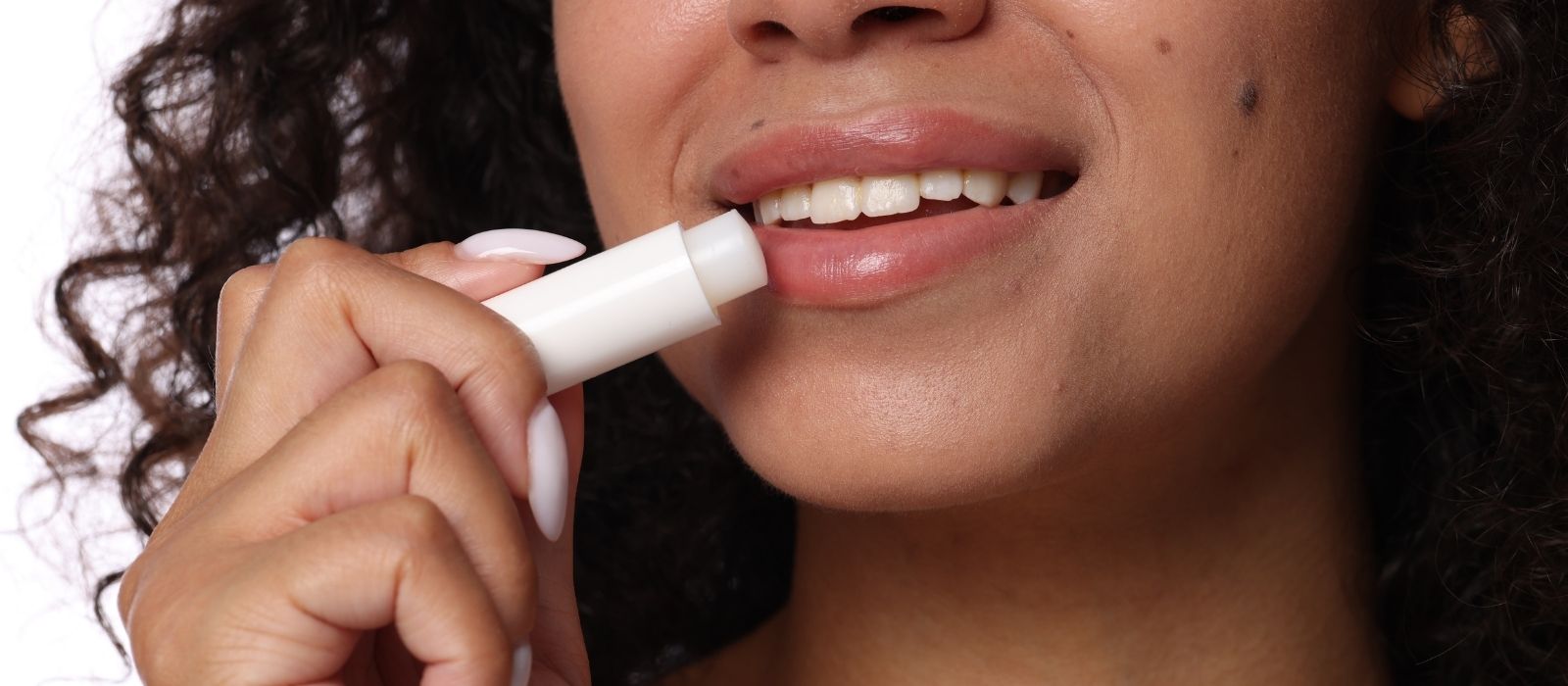
Your lips get more UV damage than most of your face but you're probably not protecting them. Here's why SPF for lips matters and how to do it right.
You slather SPF 30 on your face every morning. You reapply it after swimming. You've got the whole sunscreen routine down. But when's the last time you thought about your lips?
Your lips are getting hammered by UV rays every single day, and they're one of the most vulnerable spots on your body. The skin on your lips is thinner than anywhere else on your face — about three to five cell layers compared to sixteen elsewhere. That thin barrier offers almost zero natural protection against UV damage.
Here's what makes it worse: your lips sit right in the direct path of reflected UV rays bouncing off water, sand, snow, and concrete. They're also constantly exposed when you talk, eat, or breathe through your mouth. Yet most people treat lip protection as an afterthought, if they think about it at all.
Why Your Lips Need SPF Protection
The numbers tell the story. According to the Skin Cancer Foundation, skin cancers on the lips account for about 0.6% of all skin cancers, but they're more likely to metastasize than cancers elsewhere on your body. Squamous cell carcinoma on the lower lip has a metastasis rate of 11-16%, compared to 2-5% for the same cancer type on other parts of your body.
Your lower lip takes the worst beating because it sticks out more and catches direct sunlight. That's why 95% of lip cancers happen on the lower lip. Men develop lip cancer more often than women — partly because many lipsticks and glosses contain SPF, giving women some accidental protection.
UV damage on your lips doesn't just mean cancer risk. It breaks down collagen faster, creating those vertical lines around your mouth earlier. It also causes hyperpigmentation. Dark spots and uneven lip color often trace back to sun exposure, especially if you spend time outdoors without protection.
Regular Sunscreen vs Lip SPF Products
You can't just swipe your face sunscreen across your lips and call it done. Most facial sunscreens taste terrible and aren't designed for the constant moisture and movement that happens on your lips. Chemical sunscreens can also irritate the thin lip skin more easily than mineral versions.
Lip-specific SPF products use different formulations. They're designed to stay put when you drink, talk, or lick your lips. Many use zinc oxide or titanium dioxide — mineral sunscreens that sit on top of your skin instead of absorbing into it. These are gentler on sensitive lip tissue and won't break down as quickly with constant moisture exposure.
What Actually Works for Lip Protection
Look for lip balms or lipsticks with at least SPF 15, though SPF 30 is better if you're spending extended time outdoors. The American Academy of Dermatology recommends broad-spectrum protection that blocks both UVA and UVB rays.
Zinc oxide and titanium dioxide work best for lips. They don't absorb into your system when you inevitably ingest small amounts, and they provide immediate protection without needing to absorb first. Chemical sunscreens like avobenzone or octinoxate can work too, but they might cause more irritation on sensitive lip skin.
Reapplication matters more for lips than anywhere else because you're constantly disrupting the protective layer. Plan to reapply every two hours at minimum, or after eating, drinking, or swimming. If you're wearing lipstick over SPF lip balm, you'll need to remove and reapply both products.
Some people worry that SPF lip products will interfere with their regular lip care routine. They don't have to. Apply your treatment lip balm first if your lips are dry or damaged, let it absorb for a few minutes, then layer SPF on top.
When Protection Becomes Critical
High-altitude activities demand more serious lip protection. UV exposure increases by 4% for every 1,000 feet of elevation, so that ski trip or mountain hike puts your lips at serious risk. Snow reflects up to 80% of UV rays back at your face, creating a double exposure situation.
Water activities are another high-risk scenario. Water reflects 10-15% of UV rays, and wet lips lose their protective barrier faster. If you're swimming, surfing, or spending time on boats, you need water-resistant lip SPF and frequent reapplication.
People with lighter lip pigmentation need to be especially careful. Less melanin means less natural protection. But darker-skinned people aren't immune — UV damage still happens, and sun protection is important for all skin tones.
Frequently Asked Questions
Do I need SPF lip balm if I already wear lipstick with SPF?
Most lipsticks don't provide complete coverage across your entire lip surface, and the SPF level is often too low for real protection. Layer SPF lip balm underneath for better coverage and higher protection levels.
Can I use regular sunscreen on my lips if I don't have lip SPF?
You can in emergencies, but it's not ideal. Choose a mineral sunscreen with zinc oxide if possible, since you'll inevitably ingest some. Avoid chemical sunscreens on your lips — they taste awful and can cause irritation.
How often should I reapply SPF on my lips?
Every two hours minimum, just like face sunscreen. Reapply immediately after eating, drinking, swimming, or any activity that removes the product. If you're constantly licking your lips or talking a lot, you might need to reapply more frequently.
This article is for informational purposes only. It is not a substitute for professional medical advice, diagnosis, or treatment. Always consult a qualified healthcare provider before making changes to your health routine.