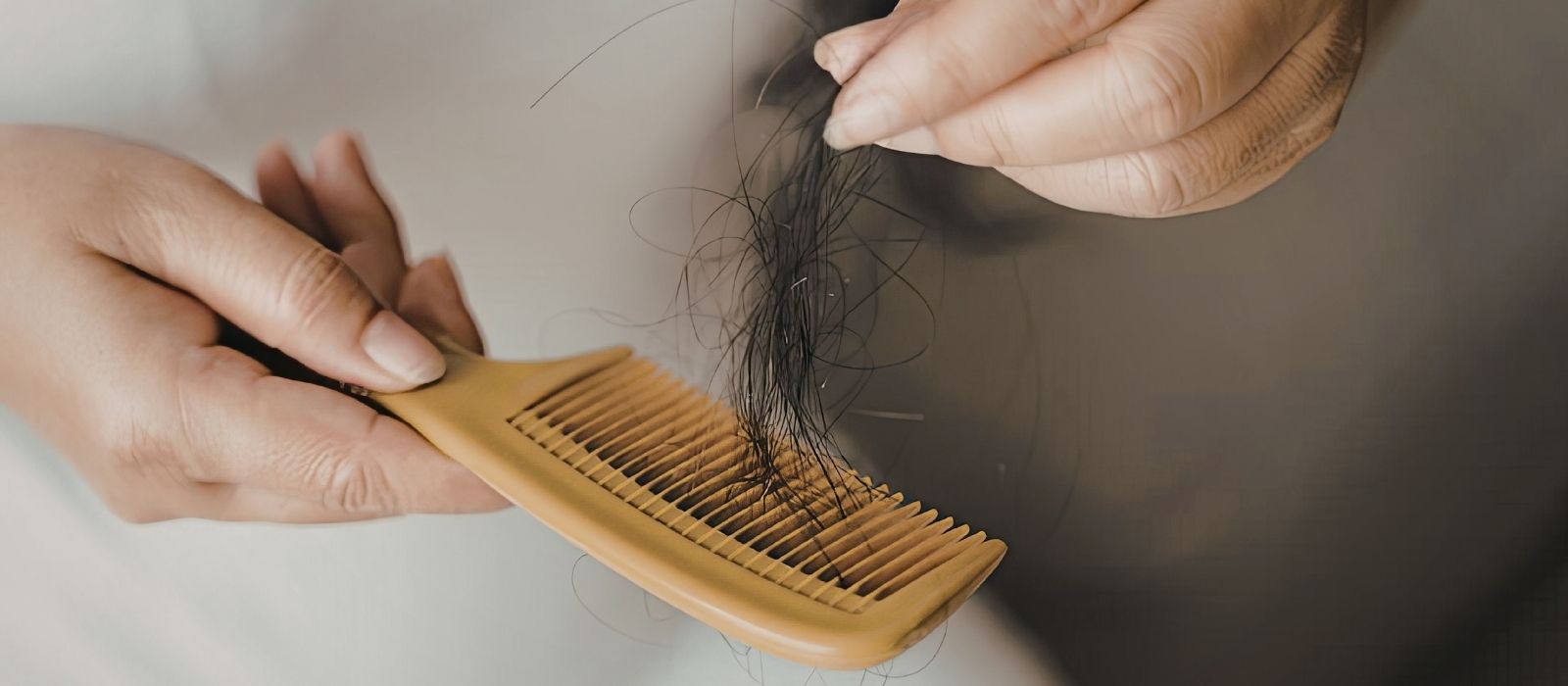
Detangling is the step where most natural hair breakage happens. Here's how to do it in a way that's actually gentle, without spending three hours on wash day.
You finish washing your hair and grab your brush. Thirty minutes later, you're staring at what looks like a small animal in the drain. The knots are gone, but so is half your hair.
This scene plays out in bathrooms everywhere because detangling is where most natural hair breakage happens. You're working with hair that's already vulnerable from being wet, and most people attack tangles like they're solving a math problem, start at the top and work your way down. That approach snaps strands faster than anything else you could do.
How to detangle natural hair without breakage comes down to three non-negotiables: working on damp hair with slip, starting from the ends, and dividing your hair into small sections. Skip any of these, and you're setting yourself up for breakage no matter what tools you use.
Why Most Detangling Methods Cause Breakage
Dry detangling tears through your hair's cuticle layer. Natural hair already has a raised cuticle structure that catches on itself easily. When it's dry, those cuticles are rigid and more likely to snag and break when you try to separate tangled strands.
Starting from the roots pushes all the tangles down toward the ends, creating bigger knots that require more force to remove. It's like trying to untie a shoelace by pulling both ends, you're just making the knot tighter.
Working with large sections means you can't see what you're doing. Hidden tangles get yanked through instead of gently separated. Your hair breaks in places you can't even see until it's too late.
The Best Way to Detangle Curly Hair
Detangling natural hair without breakage starts with timing. Do it on wash day when your hair is damp and loaded with conditioner. Never attempt it on completely dry hair unless you're just finger-detangling a small section.
Divide your hair into 4-6 sections depending on thickness. Smaller sections give you better control and let you work through tangles methodically instead of hoping for the best with a huge chunk of hair.
Start at the very ends of each section. Hold the hair about 2 inches from the bottom and work through any tangles there first. Once the ends are smooth, move your grip up another 2 inches and detangle that section. Keep moving up until you reach the roots.
This method prevents tangles from bunching up into impossible knots. You're essentially clearing the path as you go instead of pushing problems ahead of you.
Finger Detangling vs Brush: Which Works Better
Finger detangling vs brush isn't really a competition, they serve different purposes. Fingers give you precision and control. You can feel exactly where tangles are and work them apart without yanking. Brushes cover more ground faster but can miss hidden snags that your fingers would catch.
Use your fingers first to break up major tangles and identify problem areas. Then follow with a wide-tooth comb or detangling brush if needed. The Denman brush works well for this because the widely-spaced bristles don't grab too much hair at once.
Never use a fine-tooth comb or regular bristle brush on natural hair. They create too much tension and don't have enough space between teeth to let curls pass through smoothly.
Products That Actually Help With Slip
Detangling products need to provide slip, that slippery feeling that lets hair glide past itself instead of catching. Look for ingredients like behentrimonium methosulfate, cetyl alcohol, or natural oils like coconut and argan.
Apply your detangling product generously. You're not trying to be conservative here. The more slip you have, the less force you need to separate tangles. Rake the product through with your fingers first to distribute it evenly.
Water helps too. Keep a spray bottle nearby and mist each section before you start working on it. Dry hair that won't hold moisture needs extra help staying hydrated during the detangling process.
When Breakage Keeps Happening Despite Good Technique
If you're following proper technique but still seeing excessive breakage, the problem might not be your detangling method. Hair that's chronically dry and brittle breaks easily no matter how gentle you are.
Check for underlying issues. Hair that breaks in the same spots repeatedly might have damage from heat, chemicals, or mechanical stress that needs to be addressed before detangling gets easier.
Sometimes the issue is simpler. Hair that doesn't respond to products might need a clarifying wash to remove buildup that's preventing conditioners from working properly.
FAQ
How often should I detangle my natural hair
Detangle on every wash day, which should be 1-2 times per week for most natural hair types. Daily detangling isn't necessary and can cause unnecessary manipulation that leads to breakage.
Should I detangle natural hair wet or dry
Always detangle on damp hair with conditioner or a detangling product for slip. Wet hair is more fragile, but dry hair has too much friction. Damp hair with slip gives you the best balance of manageability and strength.
What's the best brush for detangling natural hair
Wide-tooth combs work best for most people, followed by detangling brushes like the Denman or Tangle Teezer. Avoid fine-tooth combs and regular bristle brushes completely, they create too much tension and snag on curls.
This article is for informational purposes only. It is not a substitute for professional medical advice, diagnosis, or treatment. Always consult a qualified healthcare provider before making changes to your health routine.