Stress triggers hormones that cause acne, inflammation, and skin barrier damage. Learn exactly how stress breaks out your skin and proven methods to fix it.
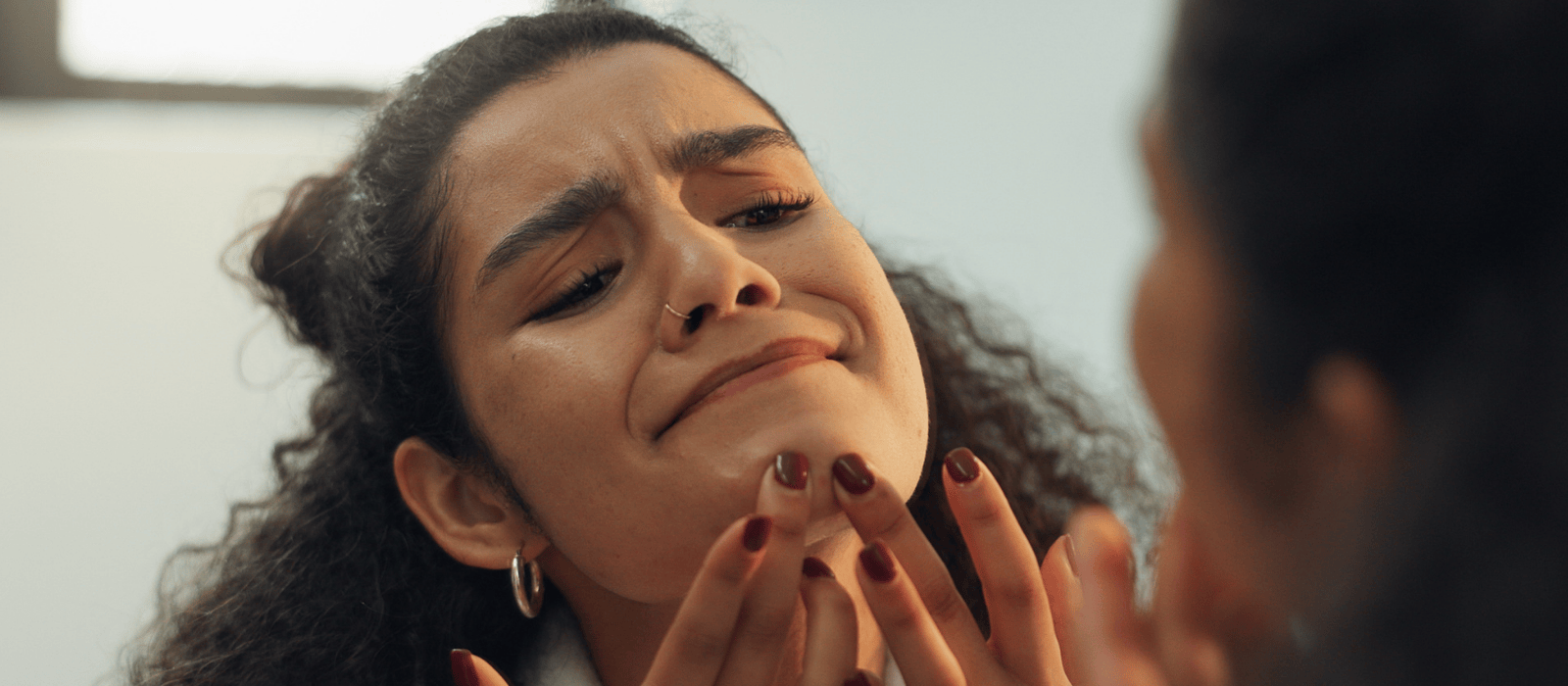
You wake up with three new spots on your chin the morning of a big presentation. Weeks of deadlines leave your skin dull and inflamed.
That timing isn't a coincidence. Stress changes your skin in ways researchers can measure, though they're still working out exactly how. Acne tends to get worse under pressure, and the skin barrier and inflammation both seem to be involved.
Stress rarely causes acne from nothing. It's more likely to make the breakouts you're prone to worse and slower to settle.
How Stress Hormones Trigger Breakouts
When you're stressed, your adrenal glands release cortisol and other stress hormones. According to the American Academy of Dermatology, stress also prompts the body to make more androgens, which stimulate oil glands and hair follicles. Clogged follicles become blackheads, whiteheads and, once inflamed, red spots.
Oil isn't the whole story, though. In a study of 94 teenagers in Singapore, those who felt more stressed had more severe acne, even though the amount of oil their skin made was the same at exam time as in the holidays. The authors concluded something other than oil volume links stress and acne.
A 2003 study of 22 university students found the same pattern. Acne was worse during exams, and the worsening tracked how stressed the students felt, even after accounting for sleep and diet. Self-rated changes in diet quality were the only other factor linked to worse acne.
Why Stress Is Hard on Your Skin Barrier
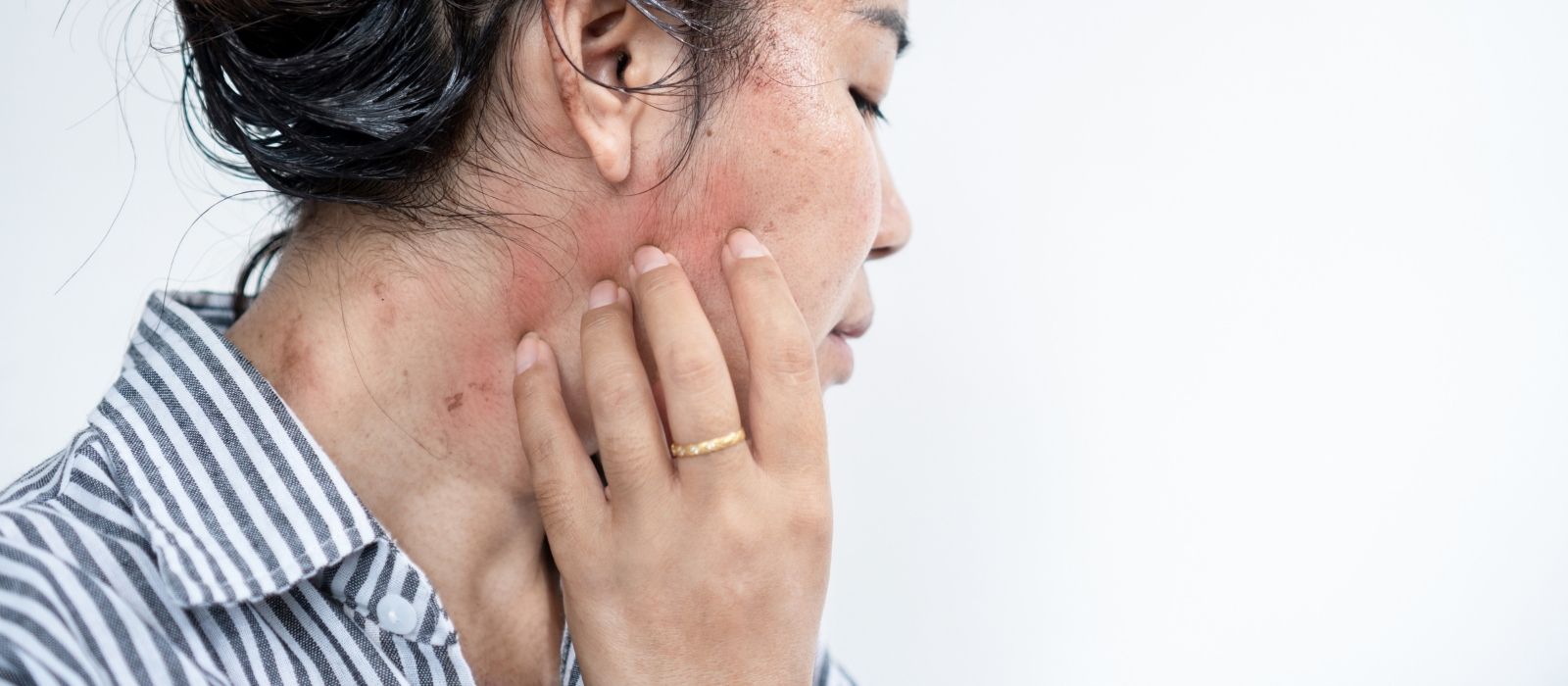
Your skin barrier is made of lipids and proteins that keep moisture in and irritants out. Stress may slow how quickly it recovers from damage. The result is dry, sensitive skin that reacts to more products.
Irritated skin is harder to treat, because it can't tolerate the acne products it needs, and you may notice different types of breakouts than usual.
The Inflammation Cycle That Keeps Breakouts Coming
Stress affects how your immune system and inflammation behave. That may be part of why breakouts during hard weeks feel angrier and take longer to calm down.
Then the visible spots add to the stress. Breaking the loop means dealing with the pressure and the skin at the same time.
How to Stop Stress from Breaking Out Your Skin
Start with whatever helps you come down from stress. Slow breathing exercises are an easy place to begin. Try the 4-7-8 pattern: breathe in for 4 counts, hold for 7, breathe out for 8, for 2 to 3 minutes when you feel tension building.
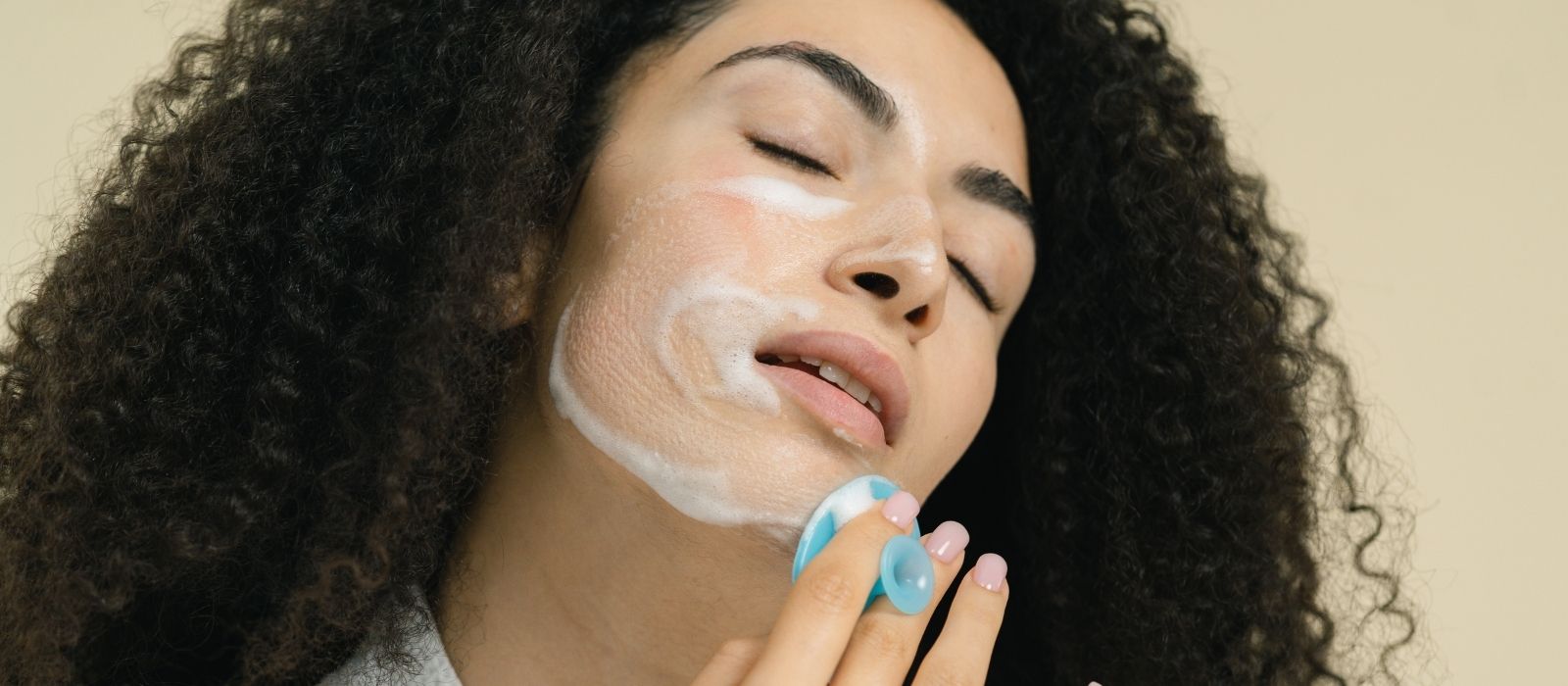
For your skin, keep treatment simple and gentle. The AAD suggests washing with a benzoyl peroxide or salicylic acid acne wash for red spots and not popping them. Follow with a ceramide moisturizer to support your barrier.
Niacinamide is a gentle add-on that some people find calms redness and oiliness. Use it before moisturizer, once or twice a day.
Don't attack stress breakouts with harsh scrubs and acids. Over-exfoliating irritated skin makes inflammation worse and slows healing.
When to Address the Root Cause
Topical treatment helps, but it won't fix acne that flares with every crunch period if the pressure never lets up. If your breakouts follow specific stressors, such as deadlines, conflict or money worries, that pattern deserves attention.
If you're also dealing with hormonal changes alongside chronic stress, therapy, meditation or other support can help in ways skincare can't. See a GP if your spots are deep, painful or scarring, if pharmacy products haven't worked, or if acne is affecting your mental health.
Treating stress breakouts means treating the stress, not just the spots.
FAQ
Why do I break out when I'm stressed but my friend doesn't?
Partly genes. Acne runs in families, and people differ in how their skin responds to androgens and inflammation. Your products, routine and sleep under pressure play a part too.
How long does it take for stress acne to clear after reducing stress?
There's no fixed timeline. Spots that are already there need time to heal whatever happens to your stress, and acne treatments usually take 6 to 8 weeks to show results. If new breakouts keep coming after that, see a doctor or dermatologist.
Can stress cause acne on my body too?
Yes. Acne often shows up on the chest, back and shoulders as well as the face, and stress can affect breakouts there too. Friction from clothing and trapped sweat make body breakouts worse.
This article is for informational purposes only. It is not a substitute for professional medical advice, diagnosis, or treatment. Always consult a qualified healthcare provider before making changes to your health routine.