Learn to identify your exact acne type and treat it correctly. From blackheads to cystic acne, get the right approach for clearer skin.
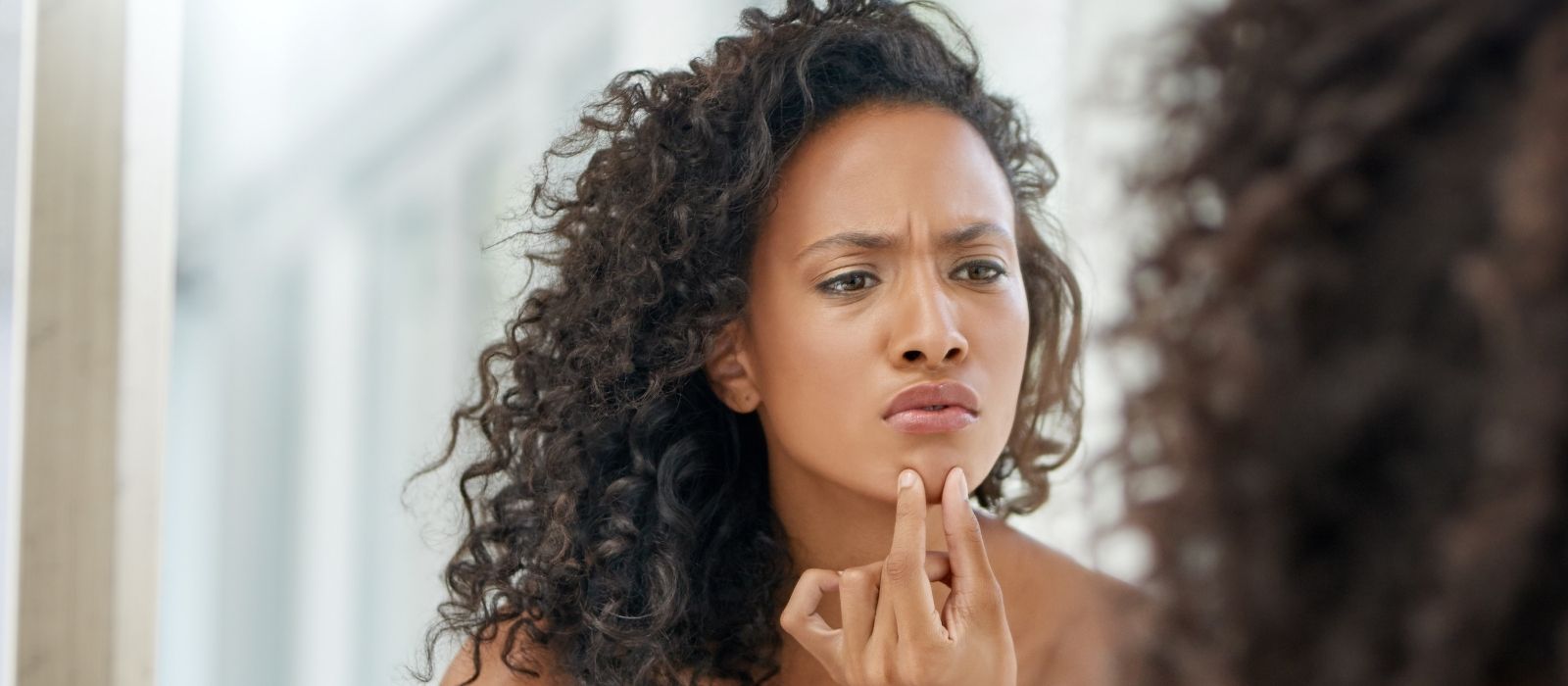
You've been staring at that bump on your chin for three days. It's not quite a whitehead. Not exactly a blackhead either. And the spot treatment that worked last month isn't doing anything this time.
That's because not all acne responds to the same treatment. What works for comedonal acne won't touch hormonal cysts. The salicylic acid that clears your T-zone blackheads might make inflammatory papules worse. Understanding exactly what type of acne you're dealing with changes everything about how you treat it.
Here's what matters: acne falls into two main categories, non-inflammatory and inflammatory, and each requires completely different approaches. Non-inflammatory acne includes blackheads and whiteheads that respond to exfoliation and pore-clearing ingredients. Inflammatory acne involves red, painful bumps that need anti-bacterial and anti-inflammatory treatments instead.
Non-Inflammatory Acne: Blackheads and Whiteheads
Non-inflammatory acne happens when dead skin cells and oil clog your pores without triggering an immune response. No redness, no pain, just blocked pores that need clearing.
Blackheads are open comedones. The dark color isn't dirt, it's oxidized sebum and dead skin exposed to air. They feel flat against your skin and appear as dark dots, especially on your nose, chin, and forehead. Sebaceous filaments often get mistaken for blackheads, but they're grayish and return within days of extraction.
Whiteheads are closed comedones. The pore opening stays sealed, creating small, flesh-colored or white bumps under the skin. They're most common on your cheeks and jawline. Unlike blackheads, you can't see the contents because there's no opening.
Both respond to the same treatment approach: consistent exfoliation to prevent pore blockages. Salicylic acid works best because it's oil-soluble and penetrates into pores. Start with 0.5% daily and increase to 2% if your skin tolerates it. Retinoids also help by speeding cell turnover and preventing dead skin buildup.
Inflammatory Acne: When Your Skin Fights Back
Inflammatory acne develops when bacteria multiply inside blocked pores, triggering your immune system. This creates the redness, swelling, and pain that makes these breakouts so much harder to deal with.
Papules are small, red, raised bumps without visible heads. They feel tender when you touch them and can cluster together, especially along your jawline and cheeks. These often develop from untreated blackheads or whiteheads that become infected.
Pustules are papules with visible white or yellow centers filled with pus. They're what most people picture when they think of pimples. The surrounding skin stays red and inflamed. Picking at pustules spreads bacteria and increases scarring risk.
Nodules are large, hard bumps deep under the skin. They can last weeks and often leave dark marks or scars. These develop when the infection spreads deeper into skin tissue. Professional treatment works better than over-the-counter options for nodular acne.
Cysts are the most severe type, large, soft, fluid-filled lumps that can be extremely painful. They form deeper than nodules and almost always require prescription treatment. Hormonal fluctuations often trigger cystic breakouts along the jawline and chin.
Location Patterns Tell You What's Causing Your Acne
Where your acne appears reveals important clues about the underlying cause. T-zone breakouts usually result from excess oil production and respond well to oil-control products. Jawline and chin acne often connects to hormonal changes, especially in women. Body acne follows different patterns and needs different treatments than facial breakouts.
Forehead acne can result from hair products, hats, or touching your face. Cheek acne might connect to phone contact, pillowcase cleanliness, or makeup. Understanding these patterns helps you address root causes, not just symptoms.
The key is matching your treatment to your specific acne type and location. Non-inflammatory acne needs pore-clearing ingredients. Inflammatory acne needs anti-bacterial and anti-inflammatory treatments. Damaged skin barriers make any acne type worse, so gentle, consistent care always wins over aggressive attacks.
Frequently Asked Questions
How do I know if my acne is hormonal or just regular acne?
Hormonal acne typically appears along your jawline, chin, and lower cheeks in a pattern that follows your lymph nodes. It flares before your period, consists mainly of deep, painful cysts or nodules, and often starts or worsens in your 20s and 30s even if you had clear skin as a teenager.
Can I have multiple types of acne at the same time?
Yes, most people have a combination. You might have blackheads on your nose, whiteheads on your forehead, and hormonal cysts on your chin simultaneously. This is why using different treatments on different areas of your face often works better than applying the same product everywhere.
Why does my acne treatment work sometimes but not others?
Your acne type might be changing based on hormonal fluctuations, stress levels, or seasonal factors. What works for comedonal acne won't help inflammatory breakouts. Also, your skin can build tolerance to certain ingredients, or you might be over-treating and causing irritation that looks like more acne.
This article is for informational purposes only. It is not a substitute for professional medical advice, diagnosis, or treatment. Always consult a qualified healthcare provider before making changes to your health routine.