Understand exactly what perimenopause does to your skin — from hormonal acne to dryness, wrinkles, and sensitivity. Complete guide to changes and solutions.
You notice a breakout along your jawline that won't quit. Your skin feels drier than usual, even with your regular moisturizer. Those fine lines around your eyes seem more pronounced this month than last. If you're in your 40s, this isn't random bad luck with skincare — it's perimenopause announcing itself through your skin.
Perimenopause starts years before your periods actually stop, typically between ages 40-44. During this transition, your hormone levels don't just decline — they fluctuate wildly. One month your estrogen might spike, the next it plummets. Your skin, loaded with hormone receptors, responds to every swing.
What happens to your skin during perimenopause isn't just about aging. It's about your skin's entire ecosystem changing as estrogen and progesterone shift. These hormones control oil production, collagen synthesis, water retention, and even how your skin repairs itself. When they become unpredictable, your skin follows.
How Hormonal Fluctuations Change Your Skin
Estrogen keeps your skin plump by maintaining collagen production and helping your skin hold onto moisture. When levels drop during perimenopause, collagen breaks down faster than your body can replace it. That's why fine lines become more visible seemingly overnight.
But perimenopause isn't just about declining estrogen. The ratio between estrogen and progesterone shifts dramatically. Progesterone usually balances estrogen's effects, but it often drops first and faster. This creates a temporary estrogen dominance that can trigger hormonal acne breakouts, especially around your chin and jawline.
Testosterone levels also change, though more gradually. As estrogen drops, the relative amount of testosterone increases. This can make your skin oilier in some areas while drier in others — explaining why you might get breakouts and flaky patches simultaneously.
The Five Major Skin Changes During Perimenopause
Increased dryness happens first. Your skin produces less natural oil as estrogen declines. Your skin barrier becomes compromised, letting moisture escape faster than usual. Even skin types that were never dry before can become tight and flaky.
Adult acne resurges unexpectedly. You might not have had breakouts since your teens, but perimenopausal acne is different. It shows up as deeper, more painful cysts along the jawline, chin, and sometimes the neck. These breakouts often coincide with your cycle and can take weeks to heal.
Sensitivity increases across all skin types. Products you've used for years might suddenly sting or cause redness. This happens because declining estrogen makes your skin thinner and less resilient. Your skin's natural defense mechanisms weaken, making it react to ingredients that never bothered you before.
Pigmentation becomes more pronounced. Melasma can appear or worsen during perimenopause. Existing dark spots from sun damage become darker and more defined. This happens because fluctuating hormones make your melanocytes more reactive to triggers like UV exposure and inflammation.
Texture changes become noticeable. Your skin might feel rougher or look less smooth. Pores can appear larger as surrounding skin loses firmness. Some people develop small bumps or notice their skin doesn't bounce back from indentations as quickly.
What Actually Helps During This Transition
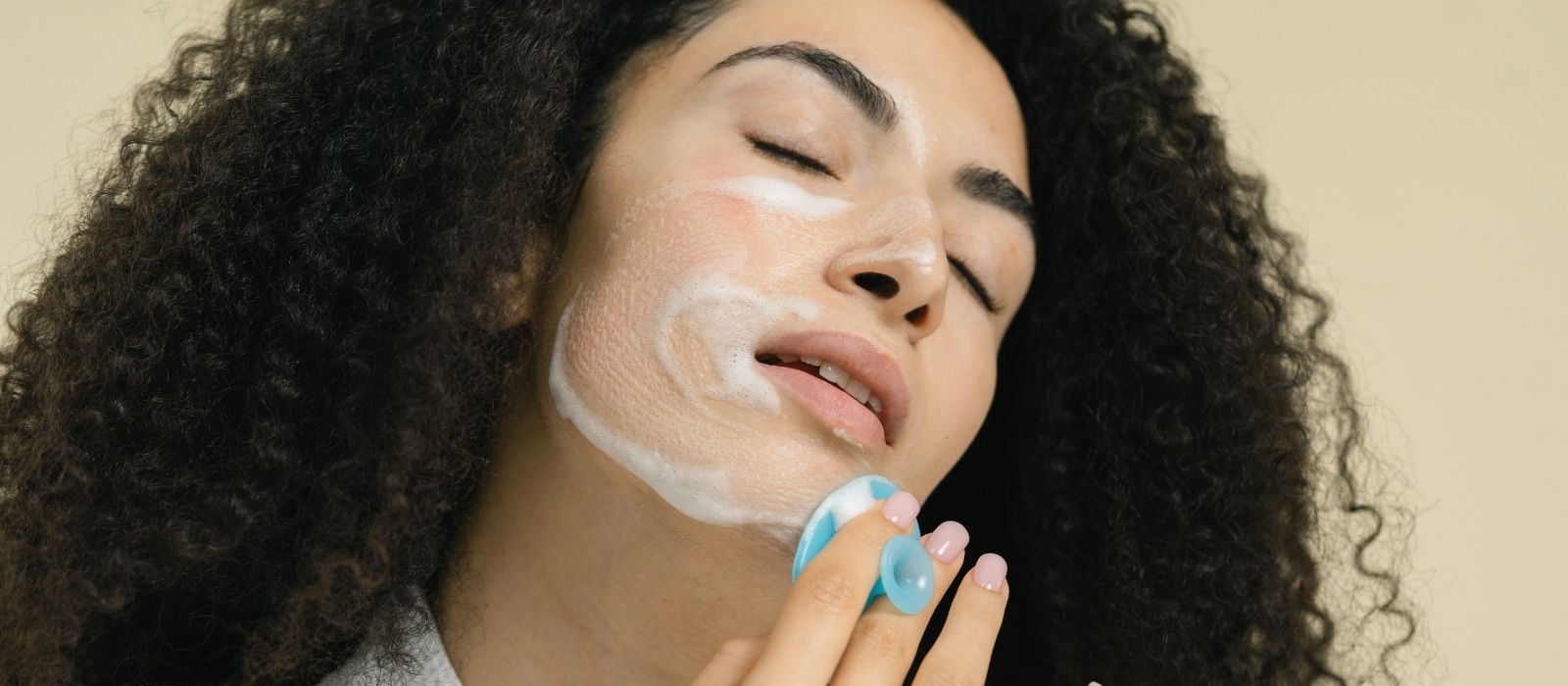
Gentle, consistent care beats aggressive treatments during perimenopause. Your skin needs support, not shock. Switch to cream cleansers instead of foaming ones. Add a hydrating serum with hyaluronic acid to your routine. Use a richer moisturizer than you think you need.
For breakouts, avoid harsh scrubs or drying treatments. Instead, try products with salicylic acid or benzoyl peroxide at lower concentrations. Managing stress through breathwork can also help reduce cortisol-driven breakouts that worsen during hormonal fluctuations.
Your diet affects your skin more during perimenopause because your body processes inflammation differently. Omega-3 fatty acids from fish or flax seeds can help maintain skin barrier function. Reducing sugar and processed foods may decrease inflammatory breakouts.
Sun protection becomes critical because perimenopausal skin is more vulnerable to damage and less able to repair itself. Use broad-spectrum SPF 30 or higher daily, even indoors near windows.
When to Adjust Your Skincare Routine
Most people need to overhaul their skincare routine during perimenopause, not just tweak it. The products that worked in your 30s might be too harsh or not hydrating enough now. Listen to your skin daily — what it needs can change from week to week as hormones fluctuate.
Consider seeing a dermatologist if you're dealing with severe acne, significant pigmentation changes, or if your skin becomes extremely sensitive. Prescription treatments like tretinoin or topical estrogen might help, but they require professional guidance during this hormonal transition.
FAQ
How long do perimenopause skin changes last?
Perimenopause typically lasts 4-10 years, with the most dramatic skin changes occurring in the 2-3 years before menopause. Once your hormones stabilize after menopause, your skin will find a new normal, though it won't return to pre-perimenopausal conditions.
Can hormonal acne during perimenopause be prevented?
You can't prevent hormonal fluctuations, but you can minimize their impact on your skin. Maintaining a gentle skincare routine, managing stress, eating anti-inflammatory foods, and getting adequate sleep help reduce the severity of hormonal breakouts.
Is it normal for perimenopause to make existing skin conditions worse?
Yes, conditions like rosacea, eczema, or melasma often worsen during perimenopause because declining estrogen increases skin sensitivity and inflammation. Work with a dermatologist to adjust treatments for these conditions during this transition period.
This article is for informational purposes only. It is not a substitute for professional medical advice, diagnosis, or treatment. Always consult a qualified healthcare provider before making changes to your health routine.