Discover why hormonal changes cause hair thinning in women, from PCOS to menopause. Learn about effective treatments and what actually works to stop hair loss.
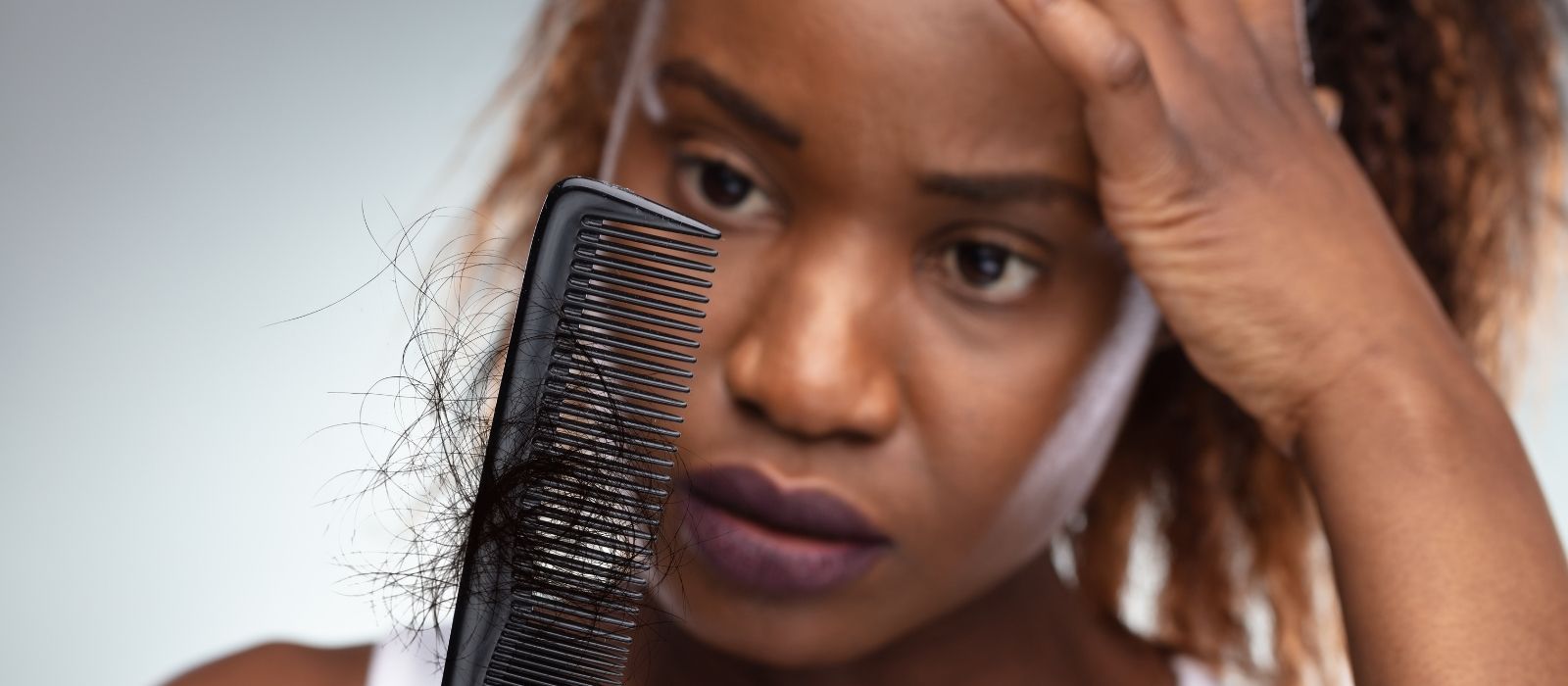
Your ponytail used to take three wraps of the elastic. Now it barely makes two. You find clumps in the shower drain that would have alarmed you five years ago, but now they're just Tuesday.
Hormones are part of why women's hair thins, but rarely the whole story. Female pattern hair loss, the most common type, is largely inherited, and hormones seem to push it along at certain points in life. Knowing which kind of hair loss you have is what points you to treatment that works.
In pattern hair loss, follicles gradually shrink, so each new hair grows in finer than the last, until some stop producing visible hair. In men, androgens like DHT (dihydrotestosterone) drive this. In women it's less clear-cut: many women with pattern thinning have normal hormone levels, and their follicles are thought to be more sensitive.
What Hormones Cause Hair Thinning in Women
Female pattern hair loss becomes more common after menopause, which the American Academy of Dermatology says suggests hormones play a role. Hormone shifts can also trigger shedding at other times, including after pregnancy.
PCOS is the clearest hormonal example. The NIH lists high androgen levels as a core feature of PCOS and says more than half of women with it have insulin resistance. High insulin is thought to push androgens higher. Scalp thinning often shows up alongside irregular periods, acne or extra facial hair.
Thyroid problems disrupt the hair cycle too. An underactive or overactive thyroid can both cause diffuse thinning, and the British Thyroid Foundation says hair usually regrows once the thyroid is treated, though it can take months.
Stress works differently. A shock like illness, surgery or a brutal stretch at work can push many follicles into the resting phase at once, and they shed a few months later. That's stress hair loss, called telogen effluvium, and most people regain normal fullness within 6 to 9 months once the stress passes.
How to Tell If Your Hair Loss Is Hormonal
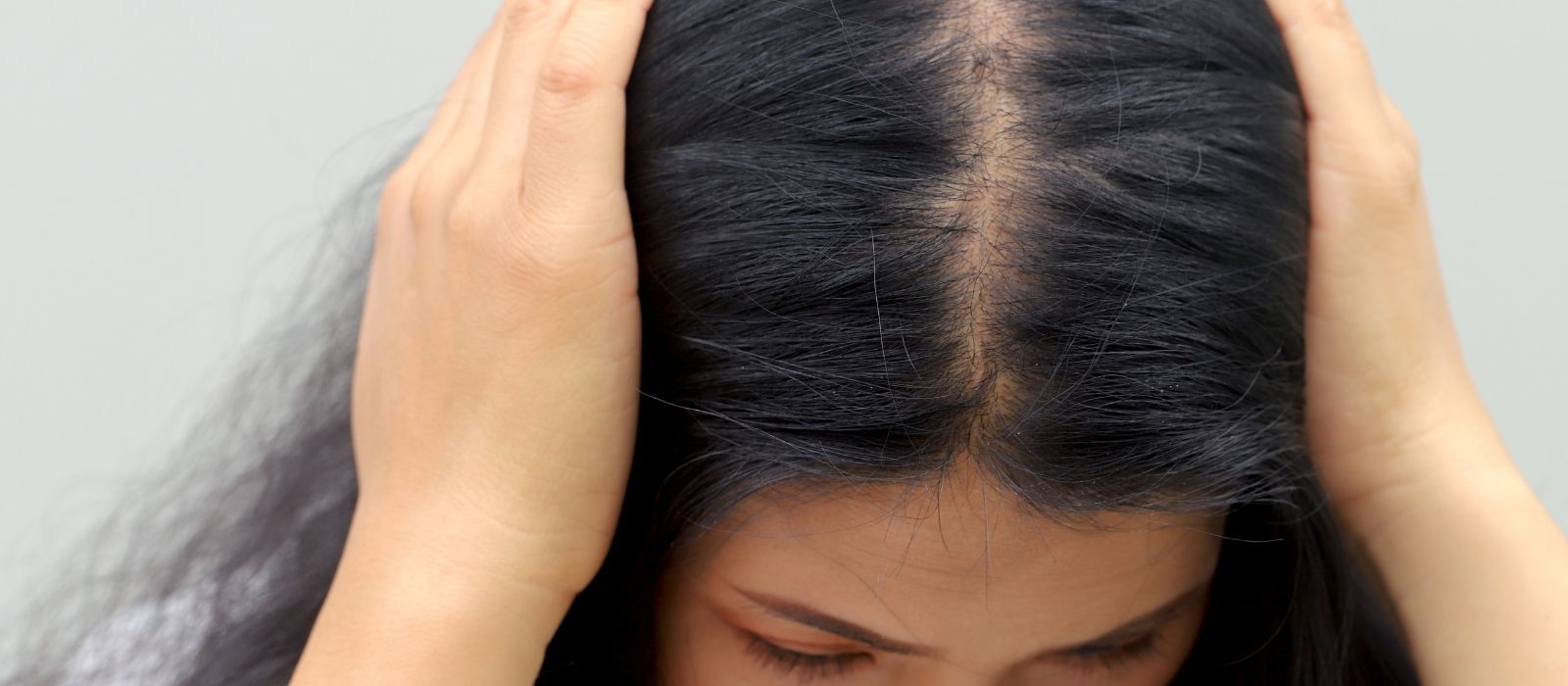
Female pattern hair loss usually starts with a widening part, then thinning that spreads over the top of the head. You might see more scalp in bright light. The front hairline usually holds, unlike male pattern baldness, though hair near the temples can recede.
PCOS-related hair loss often comes with extra hair elsewhere. Sudden facial hair growth alongside scalp thinning is a reason to ask your doctor about androgen levels.
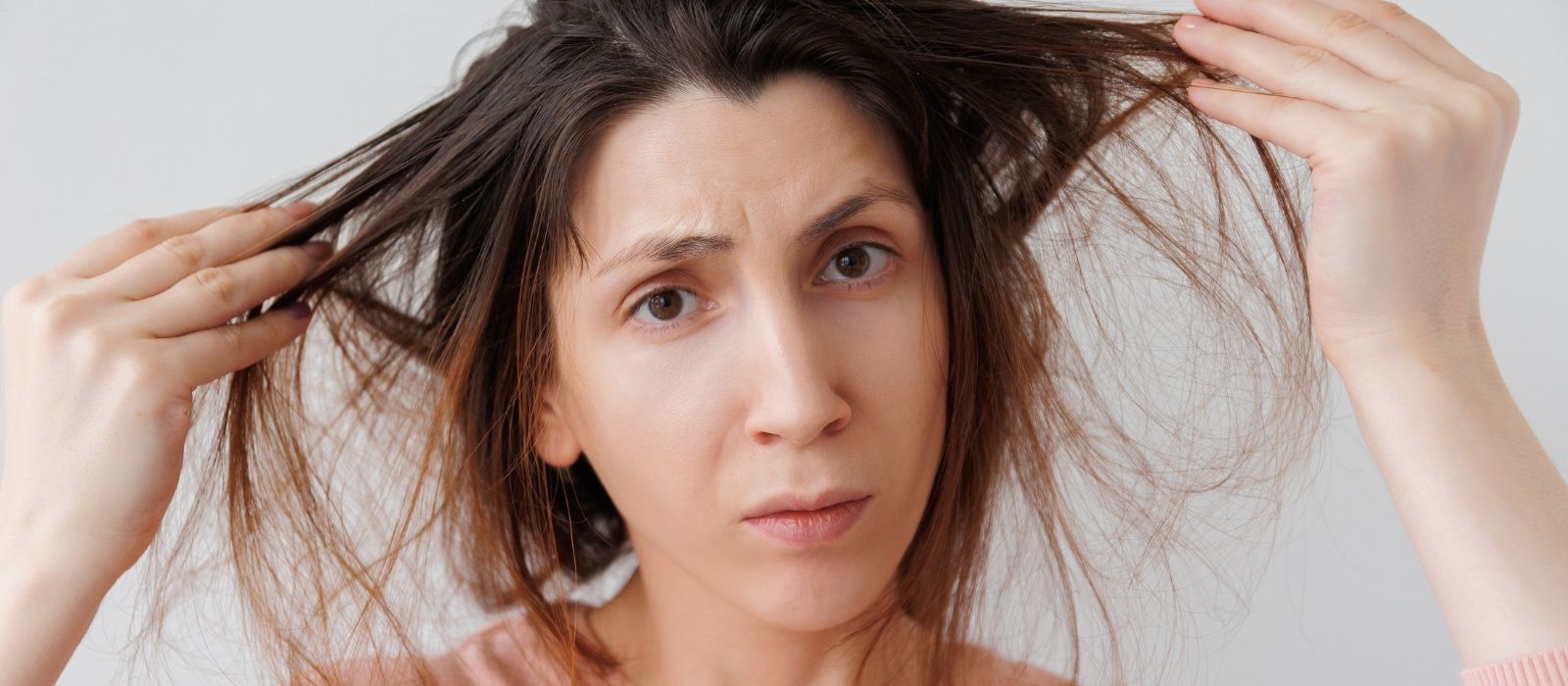
Thyroid-related thinning affects the whole scalp evenly. Hair can turn dry and brittle, and your eyebrows may thin too.
Post-pregnancy shedding is a temporary form of telogen effluvium. The AAD says it usually peaks around four months after birth, and most women have their usual fullness back by their baby's first birthday. Postpartum hair loss that hasn't settled after a year deserves a dermatologist visit.
Treatments With Evidence Behind Them
Minoxidil is the most recommended treatment for female pattern hair loss, sold without prescription in 2% and 5% strengths. A Cochrane review of 47 trials found it worked better than placebo, with no clear difference between 2% and 5%, so 5% once a day may simply be easier to stick with than 2% twice a day. Expect 6 to 12 months before you can judge it, and some extra shedding at first. Avoid it if you're pregnant, planning a pregnancy or breastfeeding.
Spironolactone is a prescription pill that blocks androgen effects. Studies suggest it helps about 40% of women. Because it can cause birth defects, dermatologists prescribe it alongside birth control if pregnancy is possible. Your dermatologist sets the dose.
Some menopausal women ask about HRT for their hair. That's a decision to make with your doctor based on your whole health picture, not hair alone.
Underlying conditions need treating in their own right. Iron deficiency can cause hair loss, especially if you have heavy periods, and once a thyroid problem is treated, hair usually grows back over several months.
FAQ
Can hormonal hair loss be reversed completely
It depends on the cause. Shedding after pregnancy, stress or a thyroid problem usually recovers. Female pattern hair loss is progressive, and treatment works best started early: it can slow the loss and thicken hair, but it can't regrow a full head of hair.
How long does it take for hormonal hair loss treatment to work
Give minoxidil 6 to 12 months before judging it, and keep using it, because the results only last while you do. Some extra shedding when you start is common and doesn't mean it's failing.
Will birth control pills help or hurt my hair loss
It depends on the pill and on you. Progestins differ in how androgen-like they are, and the AAD notes that stopping some types of pill can cause temporary thinning. If hair loss worries you, ask your doctor or dermatologist which option fits.
This article is for informational purposes only. It is not a substitute for professional medical advice, diagnosis, or treatment. Always consult a qualified healthcare provider before making changes to your health routine.