Why is my hair falling out after pregnancy? Postpartum hair loss explained, what causes it, when it peaks, and what actually helps it grow back faster.
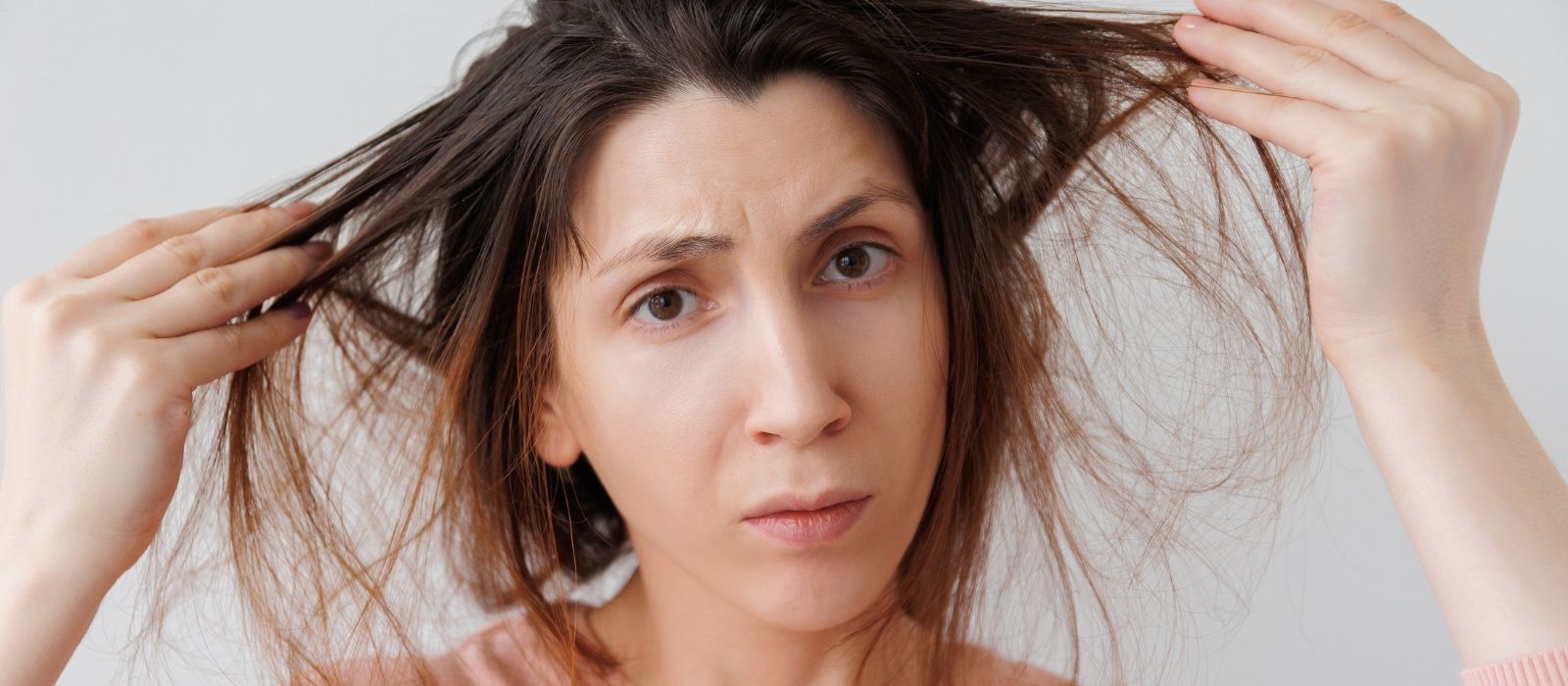
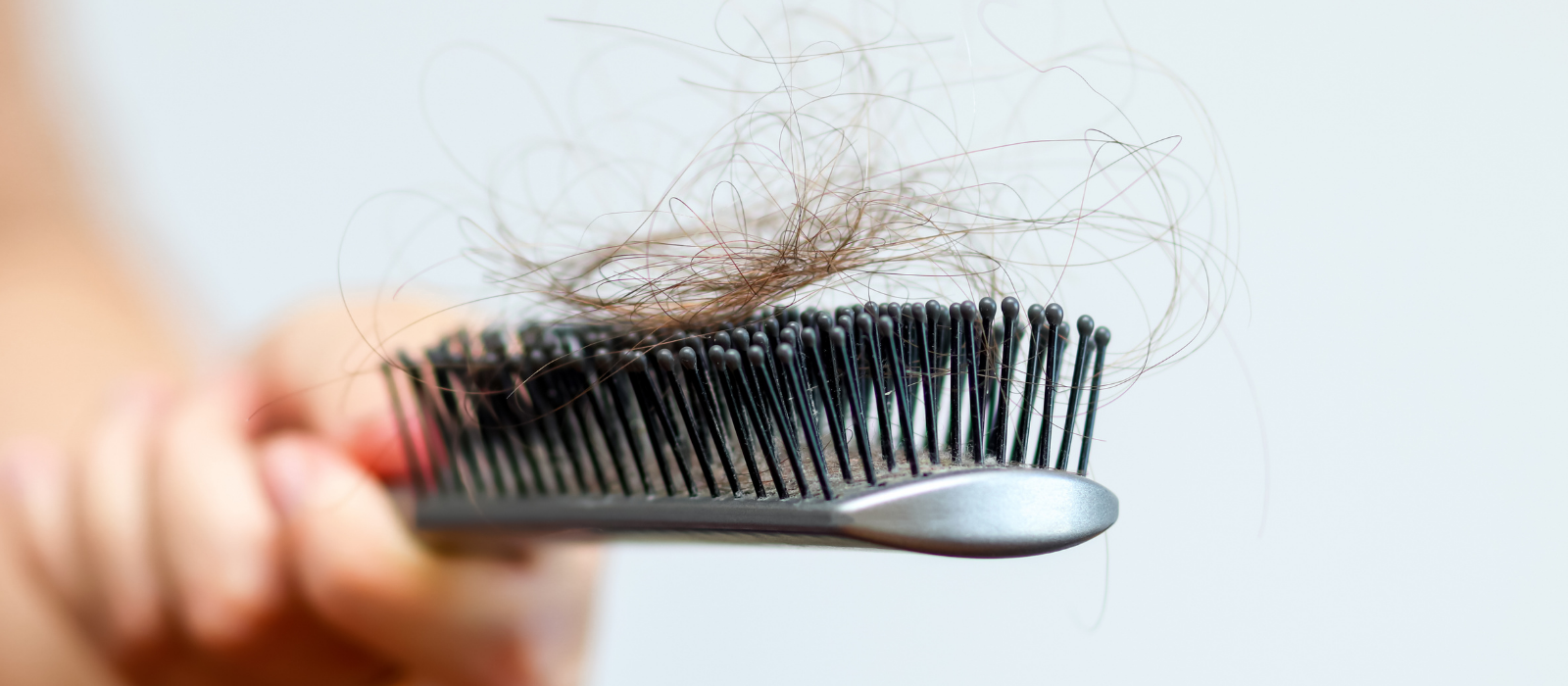
A few months after giving birth, you run your hands through your hair and come away with clumps. The shower drain catches more than it used to. Your ponytail feels thinner, and you start wondering if something's seriously wrong.
Almost certainly, nothing is. Postpartum hair loss is common, and the American Academy of Dermatology describes it as normal and temporary. The hair that hung on through pregnancy is finally falling out, much of it at once.
According to the AAD's guidance for new mothers, shedding usually peaks about four months after the birth, and most women have their usual fullness back by their child's first birthday. Your hair isn't damaged. It's catching up on shedding that pregnancy put on hold.
What Causes Hair to Fall Out After Pregnancy
During pregnancy, high estrogen keeps more hairs in the growth phase, so fewer fall out. That's why many women notice thicker hair while they're pregnant.
After the birth, estrogen falls, and the AAD puts postpartum shedding down to those falling levels. The hairs that stayed put move into the resting phase together and drop a few months later. You're losing the hair you held onto during pregnancy, on top of your usual daily shedding.
Breastfeeding often gets the blame, but the trigger is the drop in estrogen after birth, which happens whether or not you breastfeed.
When Postpartum Hair Loss Starts and Peaks
The AAD says new mothers can see heavy shedding from about two months after giving birth. For many women it becomes obvious a little later.
It usually peaks around four months after the birth. That's when the drain looks worst and your hair may look noticeably thinner for a while.
Then it eases. Most women have their usual fullness back by their child's first birthday, and some get there sooner.
What Actually Helps Postpartum Hair Loss
You can't stop postpartum shedding, and the AAD says you don't need to treat it. What you can do is avoid extra breakage and make your hair look fuller while it recovers.
Handle it gently. Use a wide-tooth comb, skip tight styles and go easy on heat. Protective hairstyles cut down on daily handling. For a fuller look, the AAD suggests a volumizing shampoo, a conditioner made for fine hair applied mostly to the ends, and possibly a shorter cut.
Check your iron. Pregnancy is one of the most common causes of iron deficiency anaemia, according to the NHS, and low iron is a recognised trigger for shedding. Ask your doctor to check your ferritin (your iron stores) as well as your haemoglobin. Take iron only if a blood test shows you need it, because too much iron can be harmful.
Eat enough protein, and keep eating regular meals even when you're running on no sleep. Your body is still recovering from pregnancy and birth.
Scalp massage feels good, but the evidence is thin. In a small Japanese study of nine men without hair loss, four minutes a day with a handheld scalp-massage device on one patch of scalp for 24 weeks led to slightly thicker hairs in that patch. It hasn't been tested on postpartum shedding, and it won't change the hormonal timeline.
When to See a Doctor About Hair Loss
See a doctor if your hair hasn't regained its fullness by your child's first birthday, if you're losing hair in patches, or if you have other symptoms such as exhaustion beyond what a new baby explains, weight changes, a racing heart or low mood.
Postpartum thyroiditis is one thing to rule out. The American Thyroid Association says it affects about 5 to 10% of women after birth, usually with an overactive phase 1 to 4 months after delivery and an underactive phase 4 to 8 months after. Most women's thyroid recovers within 12 to 18 months, but some stay underactive and need treatment. A blood test can check, and thyroid-related hair loss is handled differently from ordinary postpartum shedding.
Heavy stress is a shedding trigger in its own right. If your mood is low or you feel overwhelmed, tell your doctor, midwife or health visitor. That's worth doing for its own sake, whatever it does for your hair.
FAQ
Does breastfeeding make postpartum hair loss worse?
Postpartum shedding is driven by the drop in estrogen after birth, which happens whether or not you breastfeed. Most women's hair is back to normal by their baby's first birthday either way. If you're still shedding heavily after a year, see a doctor rather than putting it down to breastfeeding.
Will my hair ever go back to normal after pregnancy?
Yes, for most women. The AAD says most women have their usual fullness back by their child's first birthday. If yours hasn't recovered after a year, see a dermatologist to check for another cause, such as a thyroid problem, low iron or female pattern hair loss.
Can I prevent postpartum hair loss with supplements?
No. The shedding is caused by the drop in estrogen after birth, and no supplement stops it. If a blood test shows you're low in iron or another nutrient, treating that can help your hair recover. Otherwise a balanced diet is enough, and hair supplements with unproven ingredients aren't worth the money.
This article is for informational purposes only. It is not a substitute for professional medical advice, diagnosis, or treatment. Always consult a qualified healthcare provider before making changes to your health routine.