Those bumps on your arms aren't acne. Learn what keratosis pilaris actually is, why it happens, and the treatments that work to smooth your skin for good.
Those tiny bumps on your upper arms aren't acne. They don't usually hurt, but they make your skin feel like sandpaper and can look permanently irritated. You've scrubbed them, slathered on lotion, maybe picked at them, and nothing lasts more than a day or two.
This is keratosis pilaris, and DermNet puts it at around 40% of adults and 50 to 70% of teenagers. It's harmless and not contagious, just stubborn. Once you know what's happening under your skin, you can stop fighting it with the wrong tools.
Keratosis pilaris happens when keratin, a protein in your skin, hair and nails, builds up and blocks hair follicles. Each plug makes a small bump, usually on the upper arms, thighs, bottom or cheeks. People call it chicken skin, which is about right.
Why Some People Get Keratosis Pilaris and Others Don't
Mostly, it's inherited. The NHS notes that it tends to run in families, and DermNet links it to changes in filaggrin, a protein your skin needs for a healthy barrier. It's also more common in people with atopic eczema or ichthyosis, a condition that causes very dry, scaly skin.
Dry skin makes it look and feel worse. That's why it often flares in winter and settles in summer.
Age matters too. It usually starts in childhood, is often most noticeable in the teenage years, and for many people fades gradually in adulthood.
What Makes Keratosis Pilaris Worse
Hot showers strip oil from your skin and leave it drier. Keep them short and warm rather than hot; the American Academy of Dermatology suggests 5 to 10 minutes.
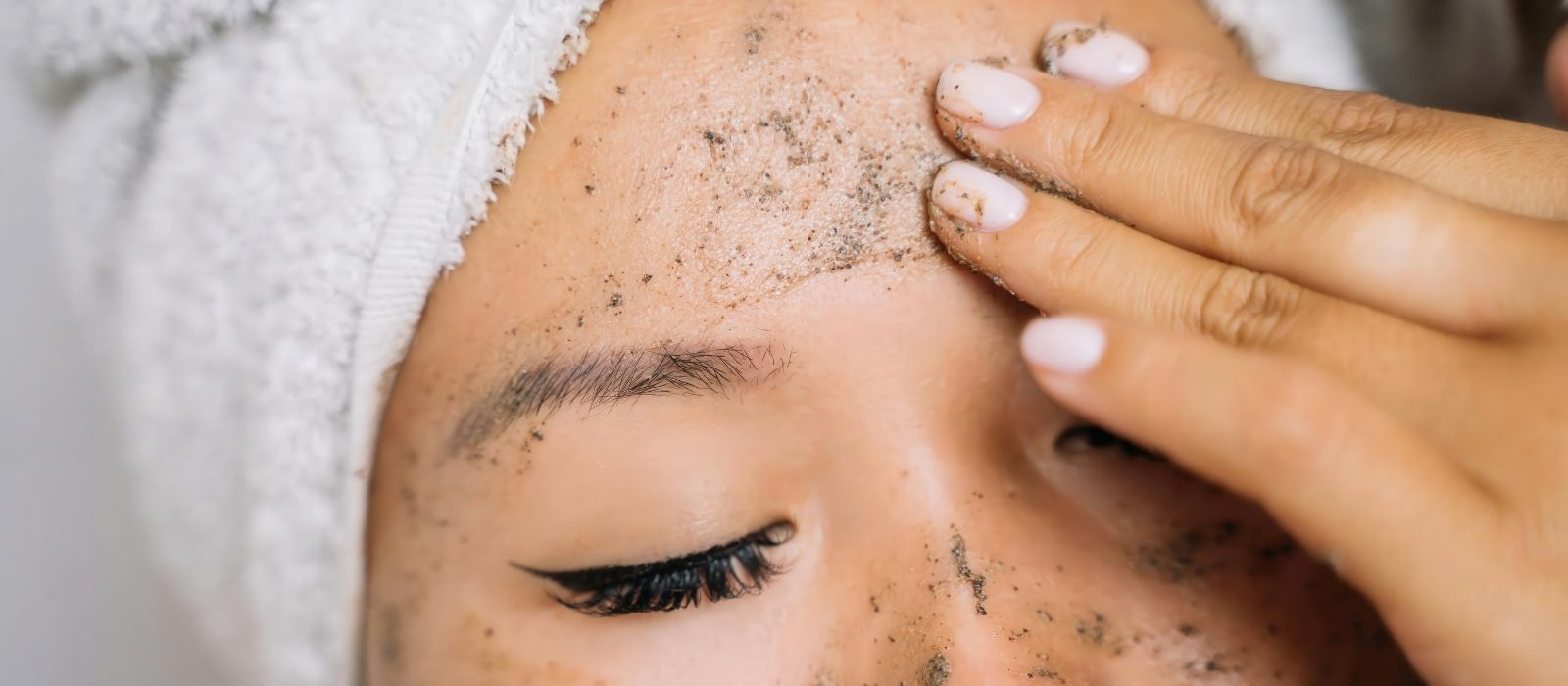
Harsh scrubbing backfires. Gritty scrubs and hard rubbing irritate the follicles and make the bumps redder. The NHS advice is to exfoliate gently with a washcloth or mitt and not to scratch, pick or rub the skin.
Friction from tight clothes can irritate the bumps as well, so loose, breathable fabrics are kinder on bad days.
Treatments That Actually Work for Keratosis Pilaris
Chemical exfoliants usually do more than scrubbing. The American Academy of Dermatology recommends creams with urea or lactic acid, applied within 5 minutes of getting out of the shower while your skin is still damp. Stronger salicylic acid or glycolic acid treatments, which a dermatologist can prescribe, also loosen the plugs so they shed.
Urea does two jobs. It draws water into the skin, and at higher strengths it also softens built-up keratin. Look for it in body creams aimed at rough or bumpy skin.
Retinoids speed up cell turnover so plugs don't build up as easily. Adapalene, tretinoin and tazarotene are options, some on prescription. Use them at night, start with a few nights a week, and wear sunscreen on treated skin that sees the sun.
If creams don't help, a dermatologist may prescribe stronger exfoliants or a short course of steroid cream to calm redness. Lasers are sometimes tried, but the evidence is thin and the NHS doesn't usually offer them.
The Maintenance Routine That Prevents Flare-Ups
Your body skin needs different care than your face. Use warm rather than hot water, keep showers short, and put your treatment on while your skin is damp.
Follow with a thick, fragrance-free moisturizer. Ceramides, glycerin, petrolatum and shea butter all help your skin hold water, and the AAD suggests moisturizing affected areas 2 or 3 times a day.
Give it time. If you've seen no improvement after 4 to 6 weeks, the AAD suggests telling a dermatologist, and some people need to try several treatments. Treatment controls keratosis pilaris rather than curing it, so most people need a lighter maintenance routine afterwards.
Adjust with the seasons. A richer cream in winter and a lighter lotion with the same active ingredient in summer usually works.
Keratosis pilaris is genetic, not a hygiene problem. You can't scrub it away, but you can keep it smoother by repairing your skin barrier and exfoliating gently. If the skin becomes itchy, inflamed or sore, ask a pharmacist or GP.
Frequently Asked Questions
Will keratosis pilaris go away on its own?
Often, but slowly. Many people find it fades gradually over years, usually in adulthood, and there's no way to predict who will clear. Treatment helps the skin look and feel smoother in the meantime.
Can you get keratosis pilaris on your face?
Yes, though it's less common. Facial keratosis pilaris usually shows up on the cheeks, often with redness. Treat it more gently than body bumps, with lower concentrations of active ingredients and SPF during the day.
Is keratosis pilaris the same as body acne?
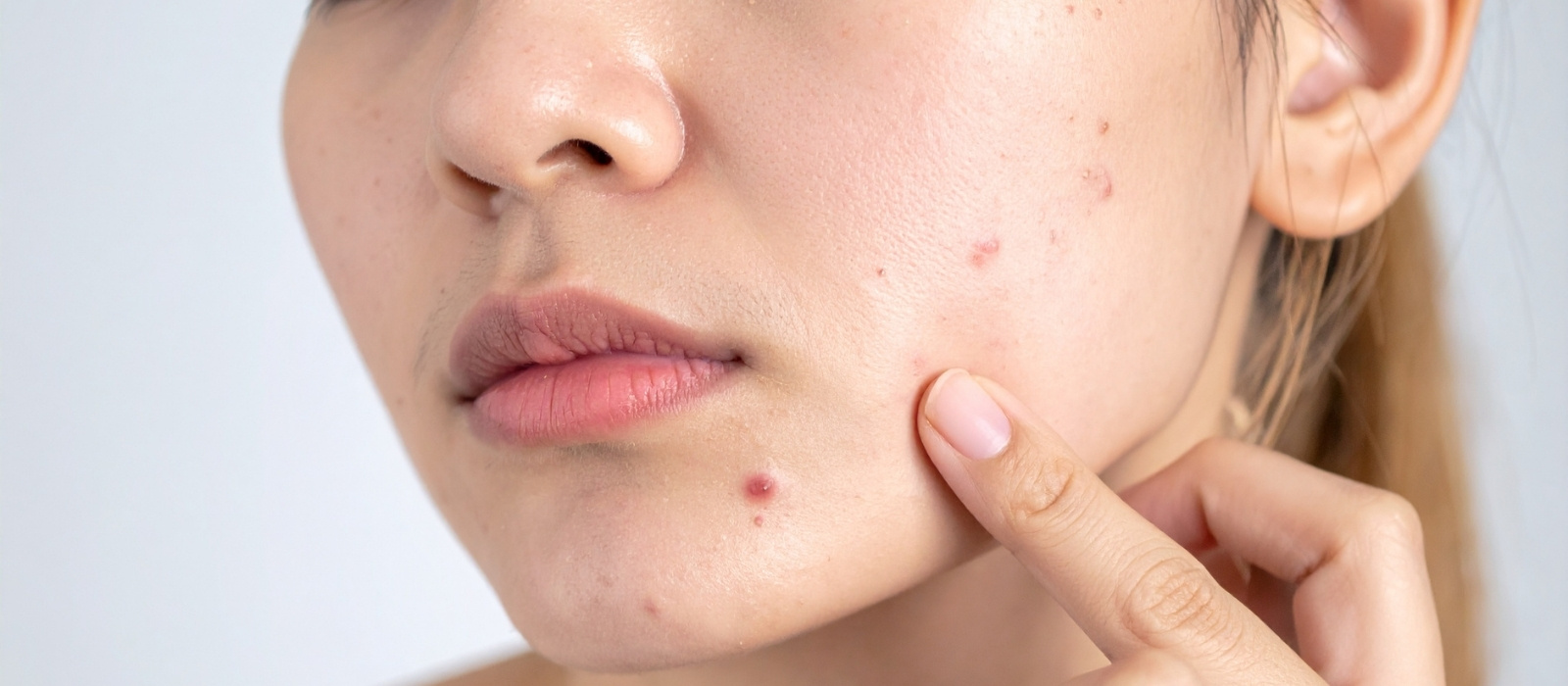
No, keratosis pilaris and body acne are different conditions. Keratosis pilaris bumps are keratin plugs, not infected and not full of pus. Body acne involves oil, bacteria and inflammation inside the pore.
This article is for informational purposes only. It is not a substitute for professional medical advice, diagnosis, or treatment. Always consult a qualified healthcare provider before making changes to your health routine.