Your skin changes dramatically after 50. Here's what actually happens to collagen, elastin, and oil production, plus what works to address these changes.
One morning your foundation settles into lines that weren't there last year. Your skin feels thinner when you wash your face. The glow you took for granted has gone flat, and moisturizer that used to last all day barely makes it to lunch.
What happens to your skin in your 50s and beyond is driven largely by menopause. Estrogen falls sharply, and skin relies on estrogen for collagen, moisture and thickness. When it drops, skin gets drier, thinner and looser.
The changes go beyond looks. Skin gets irritated more easily, and wounds heal more slowly.
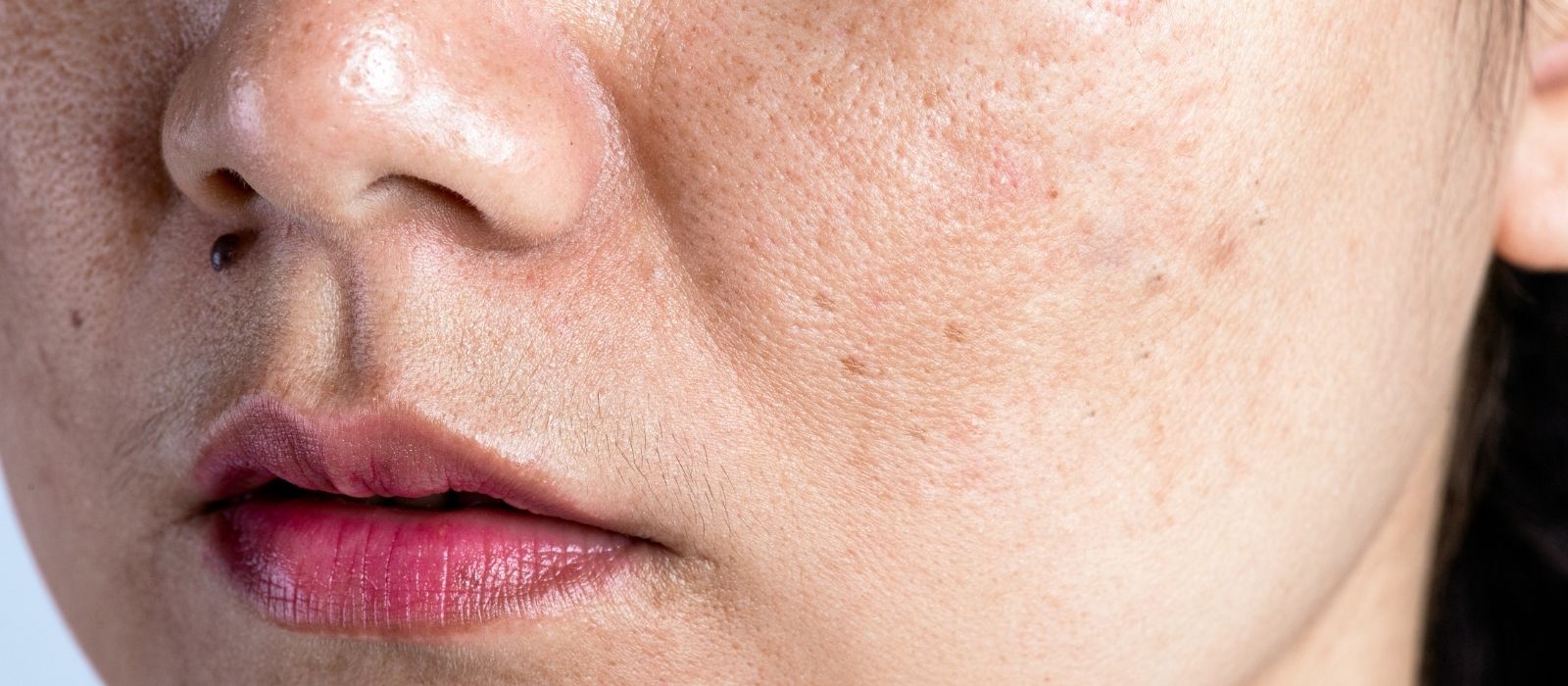
Sun damage from decades ago surfaces as dark spots and rough patches. Knowing what's changing helps you adjust your routine instead of fighting it with products made for younger skin.
Collagen Falls Fastest in the First Years After Menopause
According to the American Academy of Dermatology, women lose about 30% of their skin's collagen in the first five years of menopause, then about 2% a year for the next 20 years. Falling estrogen is a big part of why, because estrogen supports the cells that make collagen.
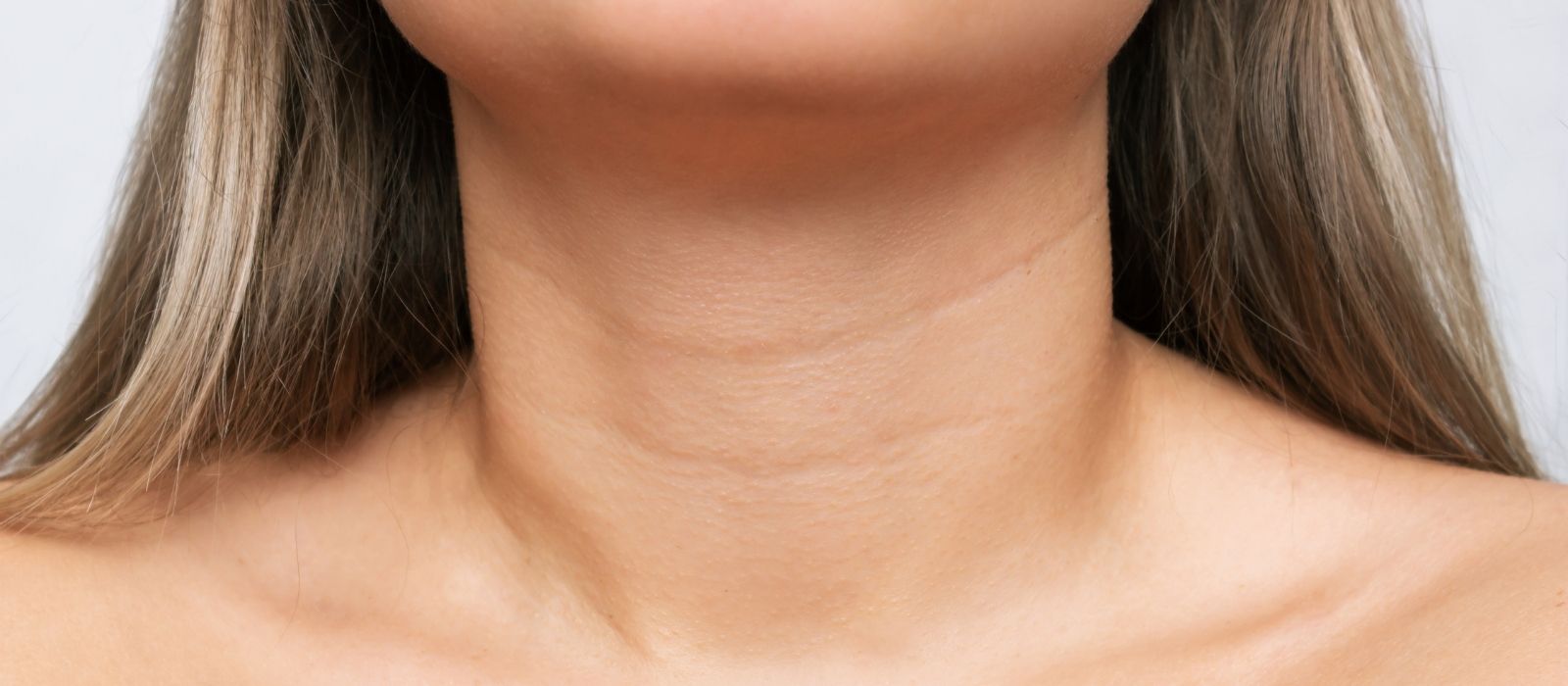
You see it as deeper lines around the eyes and mouth, a softer jawline, and skin that's slow to spring back when pinched. The collagen network that held everything firm gets sparse.
Retinoids are still the best-studied topical for this, but your skin's hormone changes mean you may need a gentler formula or a slower start than when you were younger.
Your Skin Barrier Gets Weaker
The barrier that keeps moisture in and irritants out weakens after menopause, and the AAD notes that around 50 the skin's pH shifts, making it more prone to rashes and irritation. That's why products that never bothered you can suddenly sting.
A weaker barrier also loses more water, so skin can feel dry however much you drink. Ceramide-rich moisturizers and gentle cleansers that don't strip the skin help most.
Oil Production Drops
Oil glands produce less after menopause. That's the tight feeling after cleansing, and part of why skin looks flat instead of luminous.
You need to replace what your skin no longer makes. Facial oils can help, especially over a moisturizer. Look for ones with linoleic and oleic acids, which are part of skin's own oils.
Cell Turnover Slows Down
Skin also renews itself more slowly with age. Dead cells build up on the surface, giving a dull, rough texture and making fine lines look deeper than they are.
Gentle chemical exfoliation helps, but a weaker barrier calls for lower strengths. Lactic or mandelic acid is usually easier to tolerate than glycolic acid, since their larger molecules penetrate more slowly.
What Actually Works After 50
Ignore the "anti-aging" label and focus on barrier repair and hydration. A gentle cleanser, a good moisturizer, broad-spectrum SPF 30 or higher every day and one active ingredient do more than a cabinet of serums. Sun still matters: in a 2013 study of 298 Caucasian women aged 30 to 78, UV exposure accounted for about 80% of visible facial aging signs.
Choose one active and give it at least 12 weeks. Retinol works, but start low and use it every third night; a review of retinoid trials found retinol much less irritating than prescription tretinoin, which matters for drier, more reactive skin. Magnesium ascorbyl phosphate is a gentler vitamin C than L-ascorbic acid, and niacinamide is usually well tolerated.
Microneedling and chemical peels can speed things up, but your skin needs longer between sessions than it used to. Have any new or changing dark spot checked by a dermatologist before treating it, since skin cancer can look like an age spot.
FAQ
Can you reverse skin aging after 50
You can't reverse aging, but you can improve how your skin looks and behaves. Retinoids, daily sunscreen and barrier-repair ingredients can bring back some smoothness and firmness, though changes take months to show.
What skincare ingredients should you avoid after 50
Go easy on strong acids, alcohol-heavy toners and harsh scrubs, which a weaker barrier handles poorly. Check labels for denatured alcohol and sodium lauryl sulfate, and choose low-strength exfoliating acids.
How often should you exfoliate mature skin
Once or twice a week with a gentle chemical exfoliant such as lactic or mandelic acid is plenty for most people. Overdoing it damages a barrier that's already weaker.
This article is for informational purposes only. It is not a substitute for professional medical advice, diagnosis, or treatment. Always consult a qualified healthcare provider before making changes to your health routine.