Random bumps on your face? Learn to identify whiteheads, blackheads, milia, and keratosis pilaris. Get proven treatments that actually work for each type.
You wake up, look in the mirror, and there they are: small bumps across your forehead, chin or cheeks that weren't there last week. They're not quite pimples, but they don't feel like normal skin either.
Not all bumps are the same, and treating the wrong one keeps it around longer. What looks like acne might be milia. Rough patches on your cheeks could be keratosis pilaris, and an itchy cluster near your hairline might be a yeast problem rather than a breakout.
So work out what you've got first. Salicylic acid does very little for milia, and antibiotics for acne can make the yeast type worse.
The Most Common Types of Facial Bumps
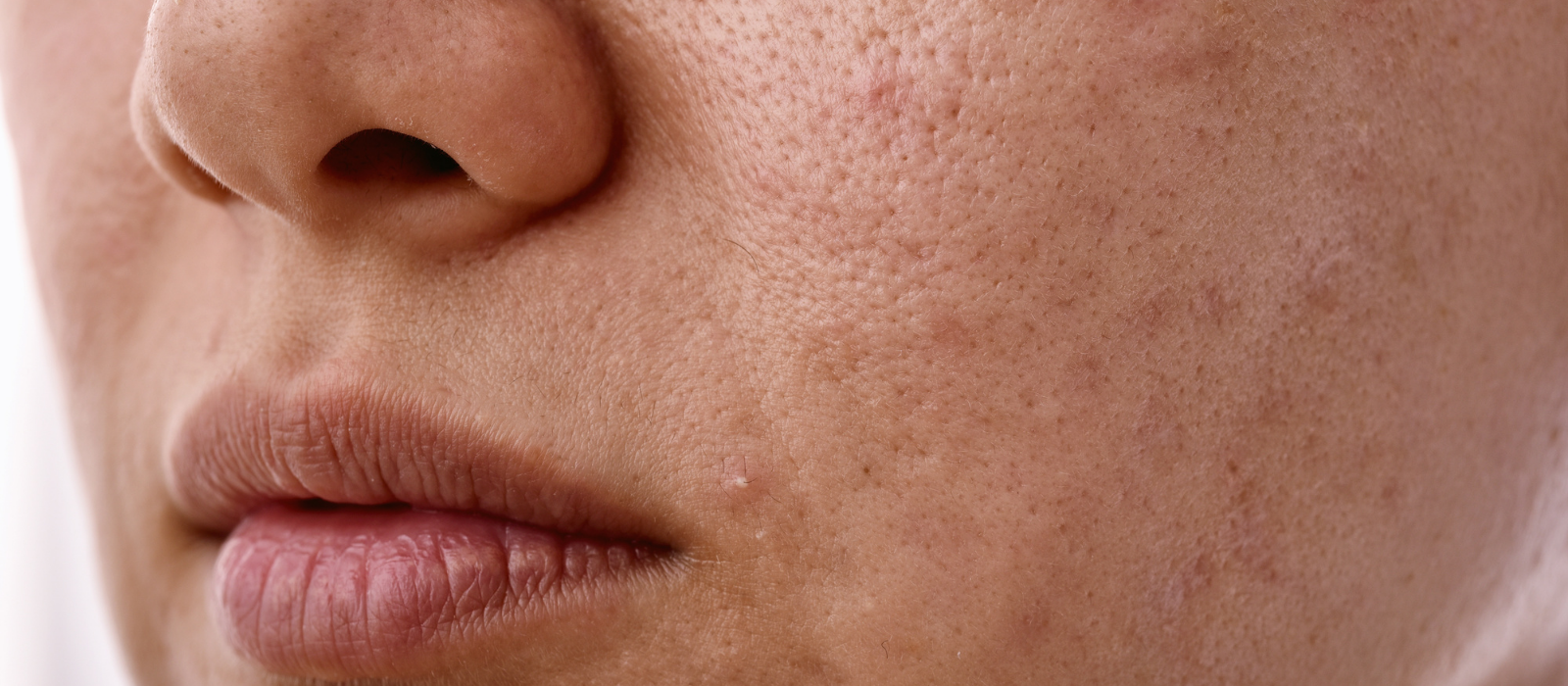
Whiteheads, which dermatologists call closed comedones, are small skin-colored or white bumps with no visible opening. They're pores plugged with oil and dead skin cells, sealed under a thin layer of skin. They often cluster on the forehead and chin and feel rough when you run a finger over them.
Blackheads are the open version. The dark dot isn't dirt; it's the plug darkening where it meets the air. Sebaceous filaments often get mistaken for blackheads, but they're normal pore structures that look grayish and feel smooth.
Milia are hard, pearly-white bumps just under the surface. They're tiny cysts filled with keratin, and because there's no pore opening, nothing comes out when you squeeze. They're harmless and, according to DermNet's guide to milia, most common on the eyelids and cheeks.
Small pimples with a yellow or white center are something else again: pustules, which are inflamed. Those are the ones people mean when they say a spot has come to a head.
When Bumps Aren't Actually Acne
Keratosis pilaris causes clusters of small, rough bumps that feel like sandpaper. Keratin builds up around hair follicles, usually on the upper arms and thighs, and the face is a less common site, mostly the cheeks. The bumps are usually skin-colored or slightly red and don't respond to typical acne treatments.
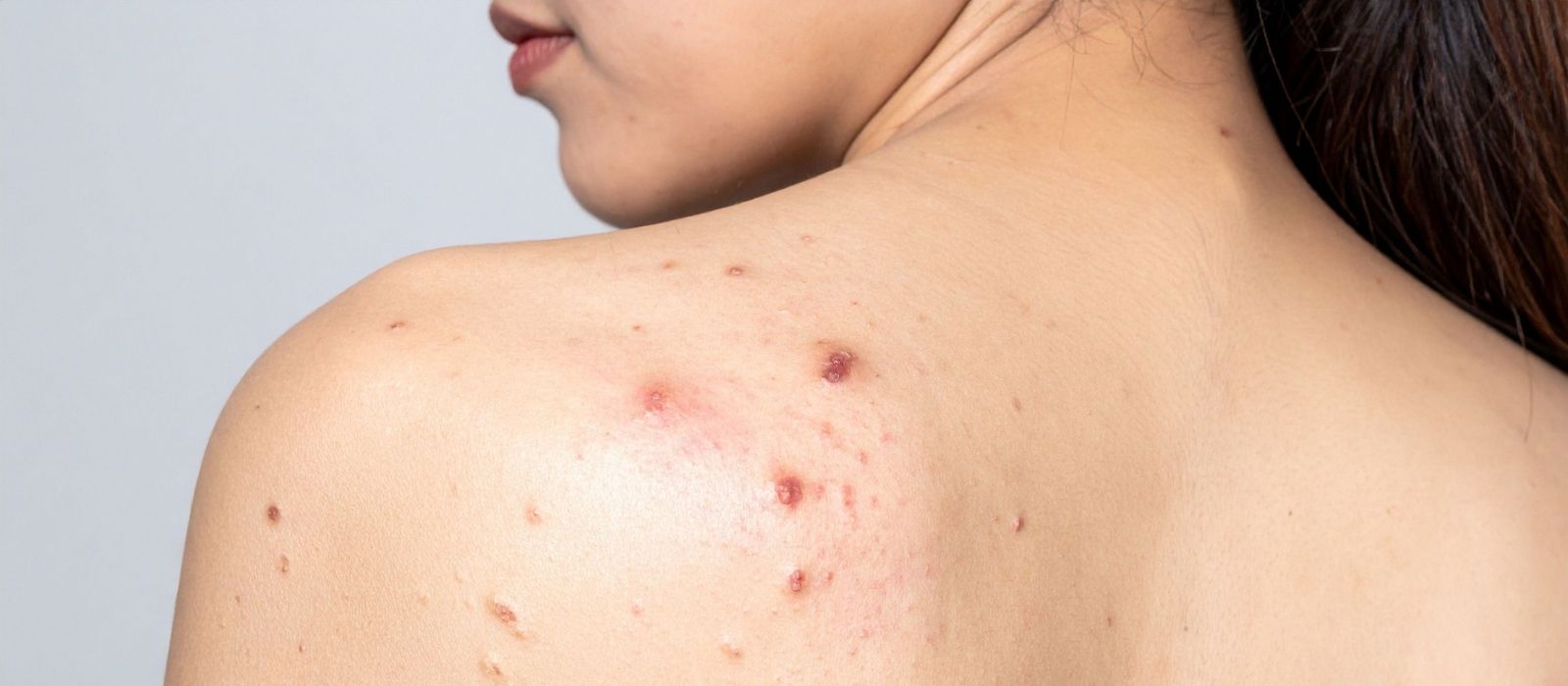
Fungal acne isn't acne at all but an overgrowth of Malassezia, a yeast that normally lives on your skin, inside the hair follicles. DermNet describes small, uniform, itchy bumps, mostly on the upper back and chest but also along the forehead and hairline, with no blackheads or whiteheads mixed in. Heat, humidity, heavy sweating, occlusive creams and courses of antibiotics all make it more likely.
Contact dermatitis from skincare can cause small bumps, redness and itching. The NHS says the reaction usually appears within a few hours or days of contact, and the pattern often matches where you applied the product.
Treatment Strategies That Actually Work
For whiteheads and blackheads, salicylic acid loosens the plugs of oil and dead skin. A 2% cleanser or leave-on product is a common starting point; use it every other day at first, then daily if your skin copes. Give it time, too: the American Academy of Dermatology suggests seeing a dermatologist if you've had no results after 4 to 6 weeks.
Don't try to squeeze milia out at home. Many clear by themselves within a few months, and if they don't, a dermatologist can open each one with a sterile needle and lift the keratin out. When there are lots of them, a retinoid may help, so start with a low concentration if you try retinol.
Keratosis pilaris responds to gentle exfoliation and a moisturizer with lactic acid or urea. A soft washcloth and a mild cleanser are enough. Harsh scrubs only inflame the bumps.
Fungal acne needs an antifungal, because regular acne products won't touch it. DermNet lists selenium sulfide shampoo and topical ketoconazole, and dandruff shampoos containing them can double as a short-contact wash for the affected skin. Ask a pharmacist how often to use one, and see a GP if it keeps coming back.
Most facial bumps are harmless, but some need a doctor. The NHS advises seeing a GP about any growth that's getting bigger or changing color or texture, or one that bleeds, crusts or scabs for more than 4 weeks. Bumps that spread quickly or hurt need checking too, and your general health can show up in your skin, so mention any other symptoms. If over-the-counter treatment hasn't helped after a couple of months, a dermatologist can offer prescription options.
Frequently Asked Questions
Why do I keep getting small bumps on my forehead that won't go away?
Persistent forehead bumps are often closed comedones (whiteheads). Hair products, heavy moisturizers and bangs that trap oil and sweat against your skin can all contribute. Switch to non-comedogenic products and use salicylic acid consistently for 4 to 6 weeks before judging it.
Can I pop the white bumps on my face or will it make them worse?
It's better not to. Squeezing can push the contents deeper and bring in bacteria from your fingers, which raises the risk of infection and scarring. Never try to pop milia or closed comedones; a dermatologist can extract stubborn ones with sterile tools.
How long does it take for facial bumps to clear up with treatment?
Whiteheads and blackheads usually need 4 to 6 weeks of consistent treatment before they improve. Milia often clear by themselves within a few months. Keratosis pilaris improves slowly and needs ongoing care, because treatment controls it rather than curing it.
This article is for informational purposes only. It is not a substitute for professional medical advice, diagnosis, or treatment. Always consult a qualified healthcare provider before making changes to your health routine.