Your skin keeps breaking out, feels tight, or won't heal properly. These could be signs you damaged your skin microbiome. Here's how to tell and what to do about it.
Your routine looks sensible. You cleanse, moisturize and wear SPF every day. But your skin keeps breaking out in odd places, feels tight all the time, or takes ages to settle after the smallest scratch.
Sometimes the problem isn't a missing product but something you've overdone. Your skin microbiome, the bacteria, fungi and other microbes living on your skin, sits on top of your skin barrier, and harsh routines can upset both.
One caveat before the list. You can't see your microbiome and there's no simple test for a damaged one, so these are really signs that your skin is irritated and the surface your microbes live on has changed. The fixes are the same either way, and they mostly involve doing less.
Your Skin Reacts to Everything Now
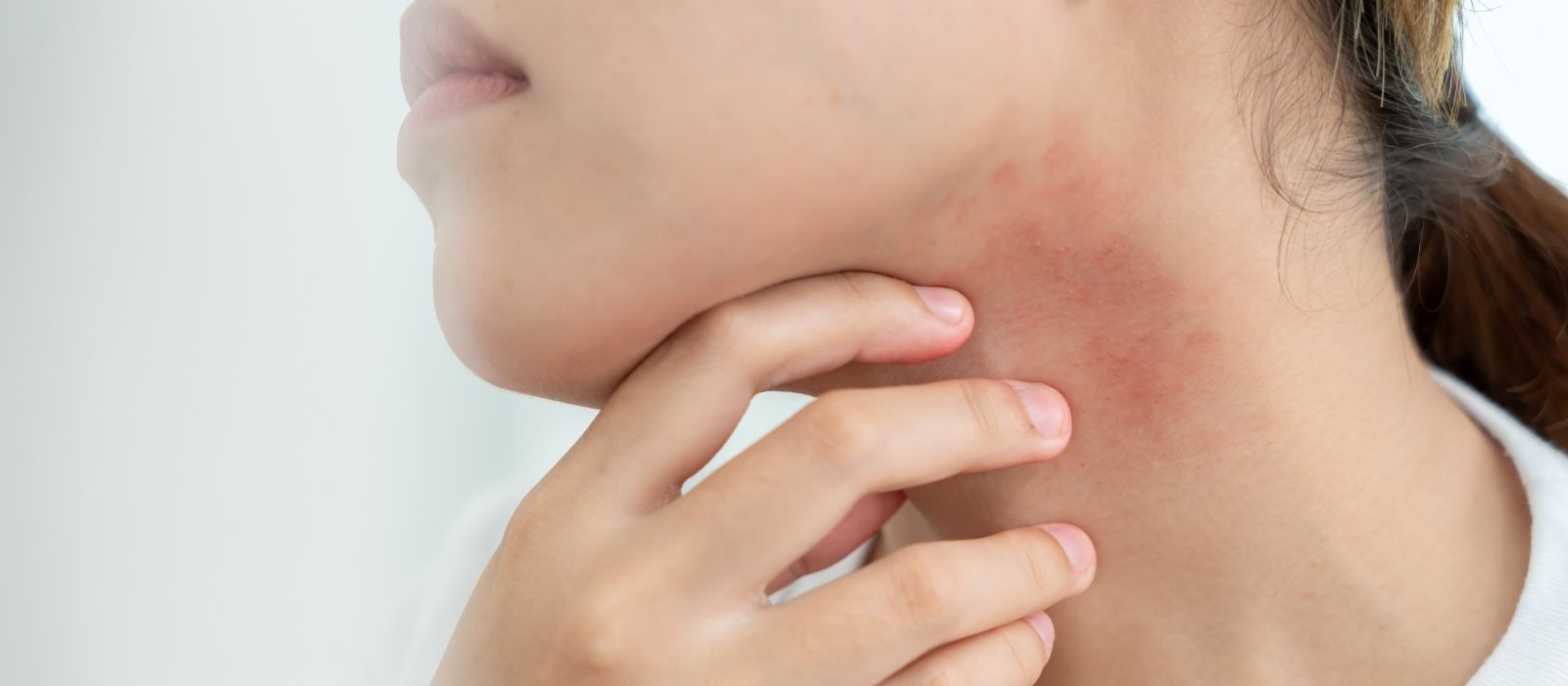
Products that never bothered you now sting, turn you red or bring you out in spots. Even gentle ingredients like hyaluronic acid or ceramides seem to set it off.
That's the classic picture of an irritated barrier: once the outer layer is damaged, ingredients get further in and your skin reacts to things it used to ignore. Microbes may be part of the story. In a 2017 study, people with eczema were much less likely than people without it to carry the skin bacteria that make compounds against Staphylococcus aureus.
This isn't the same as having sensitive skin by nature. The giveaway is timing: sensitivity that appears after you've changed your routine.
You're Breaking Out in New Places
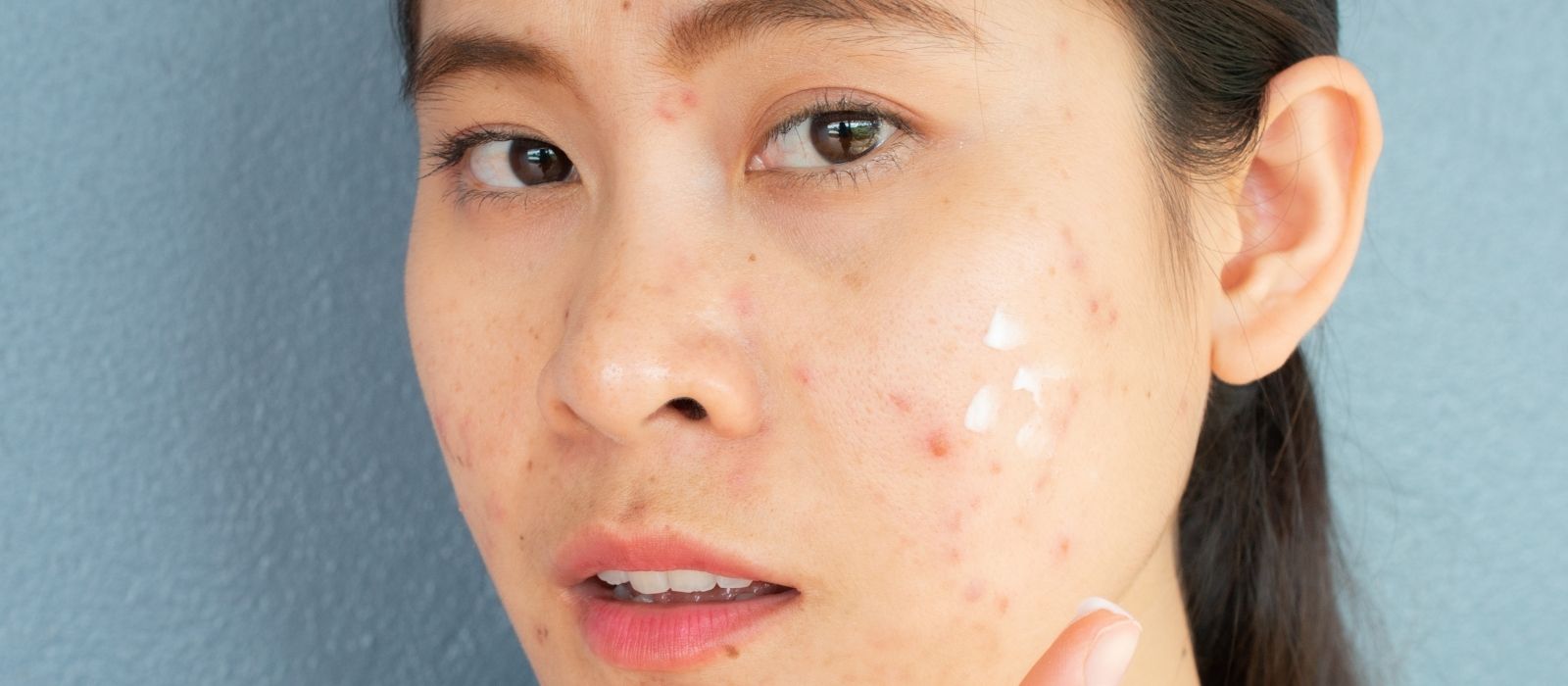
Spots turn up on your chest, back or jawline where you rarely had them. They may look different too, more inflamed or clustered in small bumps.
Your skin's resident bacteria help keep others in check by taking up space and, in some cases, making antimicrobial compounds. Acne isn't simply too much C. acnes, though. A study of 49 people with acne and 52 without found similar amounts in both groups, but different strains.
New breakouts, including sudden body acne, often come from hormones, sweat, friction or a new product. Check what else has changed before you blame your microbiome.
Your Skin Barrier Won't Stay Fixed
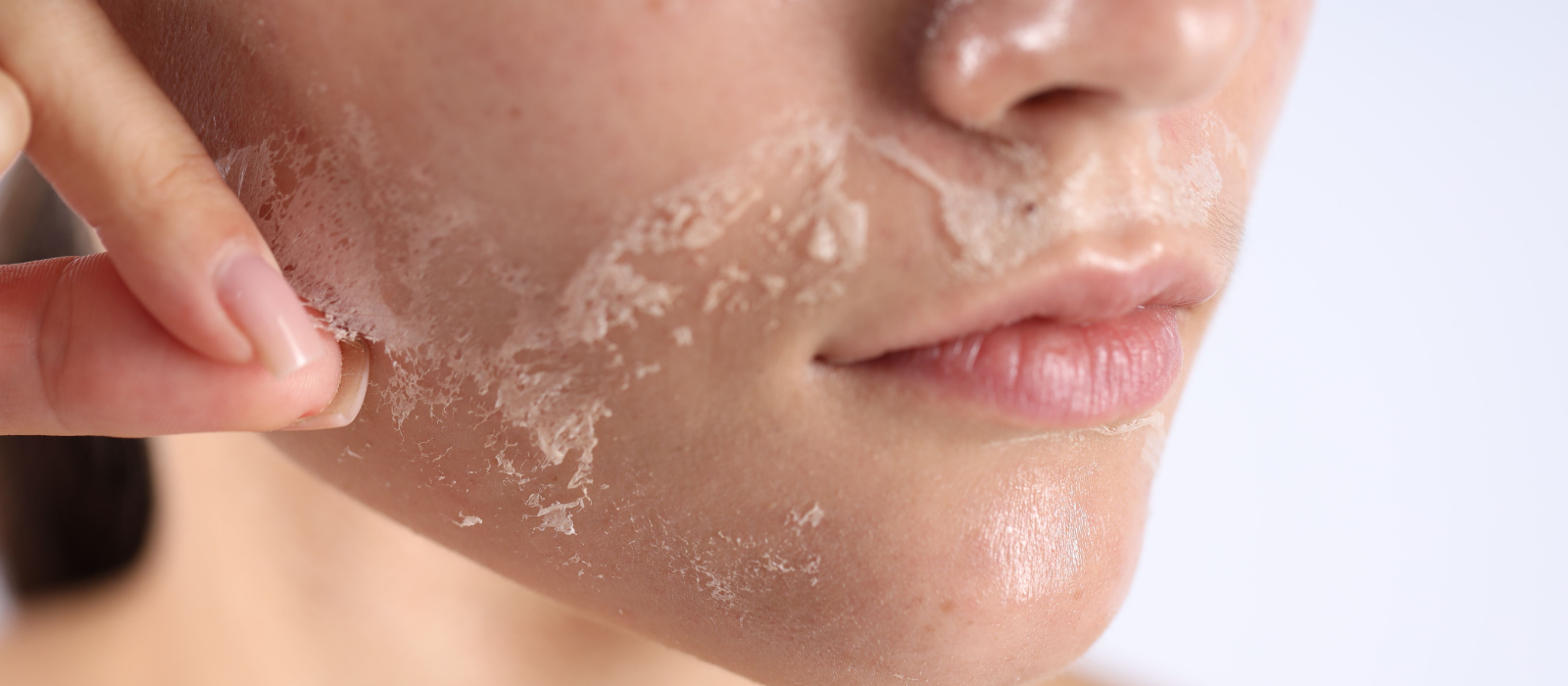
You've tried barrier creams, but your skin still feels tight, flaky or dehydrated a few hours after moisturizing. Products that should help either do nothing or sting.
The barrier and the microbes living on it are closely linked, and researchers think each affects the other, though exactly how is still being worked out. More often, something in your routine keeps re-irritating your skin, so barrier repair products can't keep up.
Small Wounds Take Forever to Heal
Scratches or picked spots that used to fade in days now hang around, often leaving dark marks behind.
Skin microbes do interact with the immune cells involved in healing, but slow healing has plenty of other causes. Picking, sun on a healing spot, and the tendency of darker skin to hold onto marks all play a part. If a wound is slow to heal or keeps getting infected, see a doctor.
Your Skin pH Feels Off
Your skin swings between oily and tight, and mild acids sting more than they used to. A squeaky-clean feeling after washing is another clue.
Healthy skin is naturally acidic, which helps keep unwanted microbes from settling in. Harsh, alkaline cleansers push the surface away from that, and if you wash often, your skin spends more of the day out of its usual range.
What Helps Your Skin Microbiome Recover
Cut back on cleansing. Once a day with a gentle cleanser is enough for most people. Pause strong retinoids and high-strength acids until the stinging stops, but if a doctor prescribed them, check with them first.
Be realistic about prebiotics and probiotics for skin. A 2024 review of 14 small trials, mostly in people without skin disease, found the clearest benefit was hydration, so treat them as a nice extra rather than a repair kit.
Look after your skin from the inside too. Small studies suggest a low-glycemic diet may reduce acne, though the research is limited, and the link between your gut and skin is still being studied.
Bring in new products one at a time, and test each on your inner arm twice a day for 7 to 10 days first. If something makes your skin worse, stop using it. Irritation isn't a sign that your skin is rebalancing.
FAQ
How long does it take to repair a damaged skin microbiome?
There isn't good data on a timeline. The skin microbiome of healthy adults tends to stay stable, so once you stop the habits that irritate your skin, the useful thing to watch is whether stinging, tightness and new breakouts settle over the following weeks.
Can antibiotics damage your skin microbiome permanently?
There's little research on this. Antibiotics do affect skin bacteria beyond the ones they target, but there's no evidence of permanent damage. If you've been prescribed antibiotics, don't stop them early; ask your doctor if you're worried.
What's the difference between a damaged microbiome and a damaged skin barrier?
The microbiome is the community of microbes living on your skin. The barrier is the outer layer of skin cells and fats that keeps water in and irritants out. They're closely linked, and the same harsh habits tend to upset both.
This article is for informational purposes only. It is not a substitute for professional medical advice, diagnosis, or treatment. Always consult a qualified healthcare provider before making changes to your health routine.