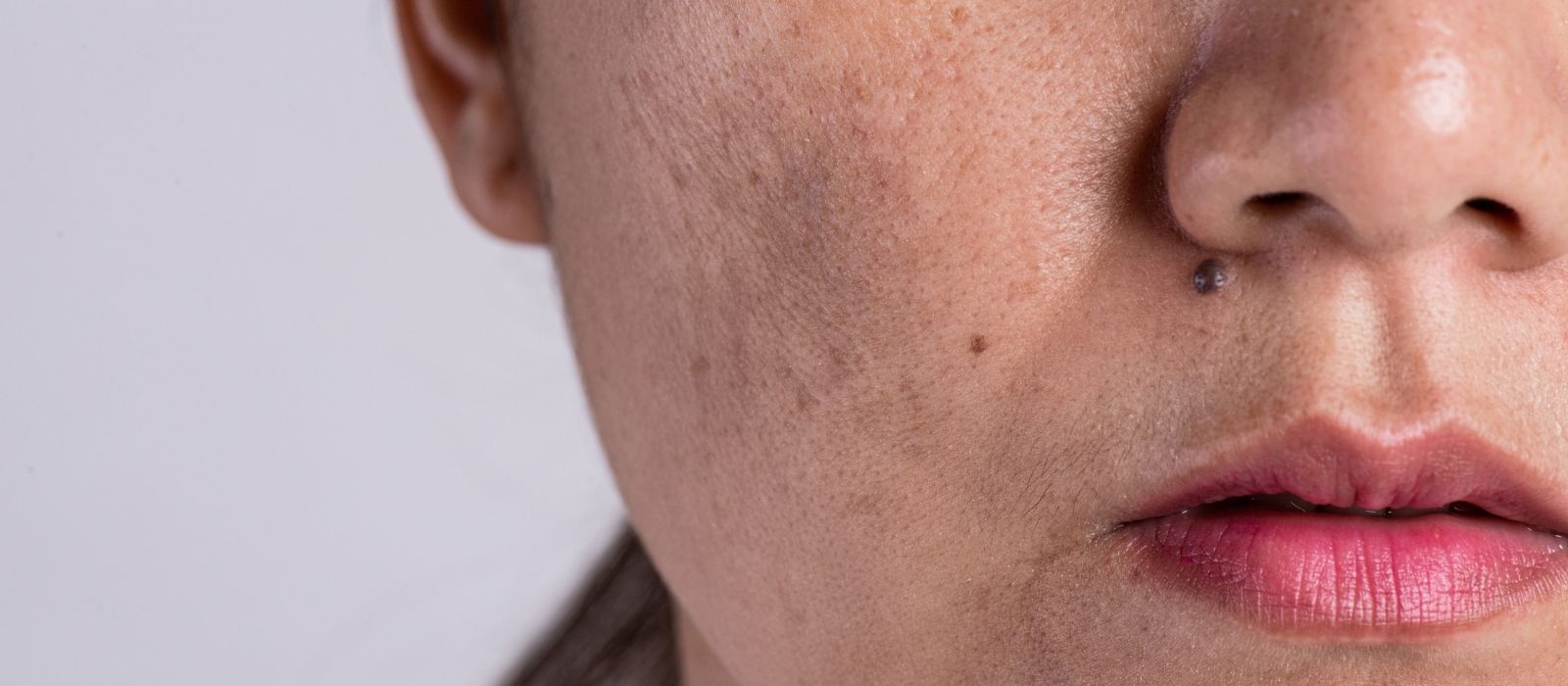
Microplastics disrupt hormone production and trigger skin problems like acne and premature aging. Here's how they affect your skin and what to do about it.
Most of what you'll read about microplastics and your skin runs ahead of the evidence. Some of it is solid. Tiny plastic particles are in our food, water and air, and a 2022 study of blood from 22 healthy donors found measurable plastic particles in human blood.
What hasn't been shown is that microplastics cause acne, early ageing or dull skin in people. The jump from "plastic is in your body" to "plastic is wrecking your skin" skips most of the science in between.
What Microplastics May Do to Your Hormones
Plastics can carry chemicals called endocrine disruptors, which may mimic or interfere with your body's hormones. BPA and some phthalates are the best known. The worry is that these leach out of particles once they're inside you.
Most of what we know about microplastics and hormones comes from animals and cells. A 2025 review of the research leaned on mouse studies and human cells grown in a lab, and its authors pointed to a lack of long-term human data. That's a reason to keep watching the field, not proof that plastics are changing your hormones.
Hormones do affect your skin, from oil production to collagen, so the idea isn't far-fetched. It just hasn't been tested in people.
How Hormone Disruption Could Show Up on Your Skin
The claim you'll see most is that plastic chemicals cause breakouts. If you've developed stubborn hormonal acne in your late twenties or thirties, there are better-established causes to look at first, like your cycle, PCOS or a change in birth control. Oestrogen-like chemicals wouldn't obviously explain it anyway, because it's androgens that drive oil production.
The same goes for thyroid claims. An underactive thyroid can leave skin dry and rough, but the evidence that microplastics affect the thyroid is limited to early population studies.
Inflammation is the other proposed link, mostly from lab work. If you have new, persistent redness or sensitivity, a dermatologist is a better first stop than a plastics audit.
Where You're Getting Exposed Daily
Beauty products are one source, though a smaller one than they used to be. In the US, a federal law phased plastic microbeads out of rinse-off products like scrubs and toothpaste between 2017 and 2019. Microplastics in cosmetics can still turn up as glitter and as synthetic polymers in some foundations and primers. Whether particles that size get through intact skin isn't well established, but you do swallow some of what's on your lips.
Synthetic fabrics shed fibres in the wash, and those end up in water. Even so, the WHO has said microplastics in drinking water don't appear to pose a health risk at current levels, while calling for more research. Heating food in plastic containers is still a habit worth dropping.
Plastic packaging left in heat is another possible source, though there's little data on how much reaches the product inside.
What This Means for Your Skincare Approach
If you have acne, redness or rough texture, treat it the way you would anyway, with ingredients that have evidence behind them. Your hormones affect your skin, but that mostly means your own hormones across your cycle and your life, not plastic chemicals.
If you want to cut your exposure anyway, you don't have to give up effective skincare. It means choosing products that don't add to your plastic burden where that's easy.
Supporting Your Skin While Reducing Exposure
You don't need a detox. Your liver and kidneys already do that job, and there's no good evidence that any diet clears plastic chemicals faster.
Fragrance is where phthalates come up. The FDA says phthalate use in cosmetics dropped sharply between 2004 and 2010, and it doesn't have safety concerns about DEP, the one still used in fragrance. If you'd rather avoid it, fragrance-free products are an easy swap.
Your skin microbiome is worth looking after for its own sake. Avoid over-cleansing and harsh products that strip it.
For the rest, choose glass or metal containers for food when you can, especially anything hot. Washing synthetic clothes less often, in cold water, may cut down on fibre shedding.
FAQ
Can microplastics cause sudden adult acne?
There's no good evidence that they do. Research on microplastics and hormones has mostly been done in animals and cells, and acne is driven mainly by androgens, not oestrogen-like chemicals. If you've suddenly developed acne as an adult, see a doctor, since conditions like PCOS can be behind it.
How long does it take to see skin improvements after reducing microplastic exposure?
There's no evidence yet that cutting microplastic exposure improves skin, so there's no honest timeline to give. If your skin is changing, treat it directly and give any new treatment a couple of months before you judge it.
Do all plastic skincare containers leach microplastics into products?
Very little is known about how many particles move from packaging into skincare. Heat may make plastic shed more, so keeping products somewhere cool and using them up within their shelf life is a sensible precaution.
This article is for informational purposes only. It is not a substitute for professional medical advice, diagnosis, or treatment. Always consult a qualified healthcare provider before making changes to your health routine.