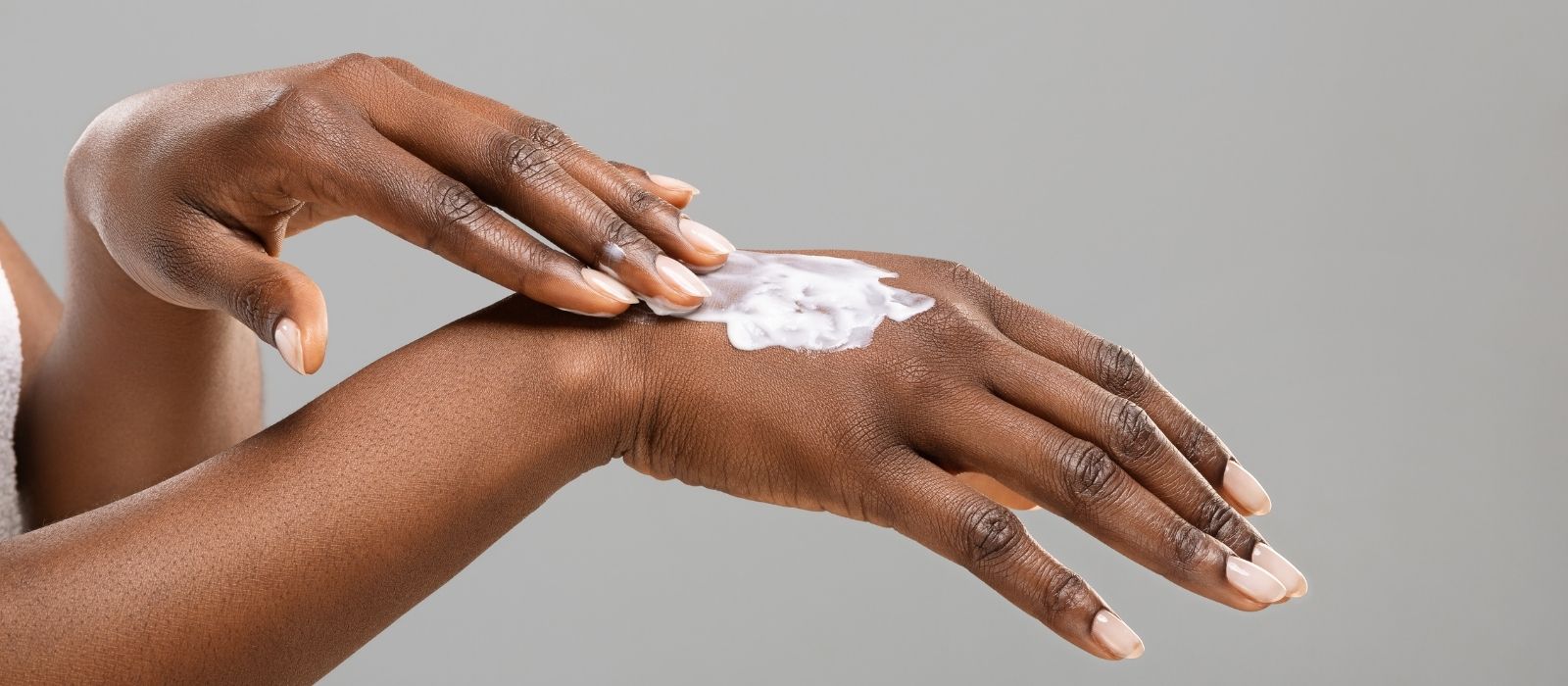
Learn to tell if your skin is dry or dehydrated with simple tests, plus targeted treatments that actually work for each condition.
Your skin feels tight after washing. Products sit on the surface instead of sinking in. You assume it's dry skin and pile on heavier creams, but nothing changes, or it gets worse.
Your skin might not be dry at all. It could be dehydrated, and the two need different fixes.
Dry skin lacks oil. Dehydrated skin lacks water. "Dehydrated" is a cosmetic description rather than a medical diagnosis, but the distinction is useful, because oily skin can be short on water too, and the fix is different for each.
How to Tell If Your Skin Is Dry or Dehydrated
You may have seen the pinch test, where you pinch the back of your hand and watch how fast it springs back. That's a rough check for whole-body fluid loss, not a way to tell your facial skin type.
Dry skin feels rough and flaky most of the time and rarely gets shiny. Dehydrated skin feels tight soon after cleansing, can still get oily in the T-zone, and often improves quickly once you change your cleanser or add a hydrating step.
If tightness comes and goes with harsh products, weather or air conditioning, think dehydration. If roughness is there whatever you do, think dry.
What Dry Skin Actually Looks Like
Dry skin makes less sebum. You'll see flaking, often around the nose, chin and forehead, and foundation can look cakey because it clings to dry patches.
It feels rough and can crack, especially in winter. It rarely looks shiny, even in the T-zone.
How much oil your skin makes is partly down to genetics, so this is more of a skin type than a passing problem. Repairing your skin barrier helps a lot, but you're managing dry skin rather than curing it.
What Dehydrated Skin Actually Looks Like
Dehydrated skin is short on water in its outer layer. It feels tight and drawn, and you may notice fine lines, especially around the eyes and mouth, that soften once your skin is better hydrated.
Your complexion can look dull, and if your skin is naturally oily you get the confusing combination of shine and tightness at once.
Dehydration is usually temporary and caused by something you can change: harsh cleansers, too much exfoliation, dry climates or air conditioning. Over-exfoliating wrecks your skin by damaging the barrier that holds water in.
How to Fix Dry Skin
Dry skin needs richer products to make up for the oil it doesn't produce. The American Academy of Dermatology says creams and ointments work better than lotions and suggests looking for ingredients such as glycerin, hyaluronic acid, shea butter, jojoba oil, dimethicone, lanolin, mineral oil or petrolatum.
Skip foaming cleansers, which strip the little oil you have. Use a gentle, fragrance-free cream or oil cleanser, and keep showers short and warm rather than hot.
Layer products from thinnest to thickest and finish with something occlusive, like petroleum jelly or a thick night cream, to stop water escaping. Ceramides are worth looking for because they're part of the lipid barrier that keeps moisture in. If your skin stays dry, cracked or itchy despite all this, see a dermatologist, since eczema and psoriasis can look like dry skin.
How to Fix Dehydrated Skin
Dehydrated skin needs humectants, which draw water into the outer layer, plus an occlusive to keep it there. Glycerin, hyaluronic acid and sodium hyaluronate are the usual humectants. A 2017 review of moisturizers explains why the second step matters: humectants can pull water up from the deeper skin, and without an occlusive on top, some of it simply evaporates.
Apply hydrating products to damp skin. Mist your face first, or pat products on while your skin is still a little wet from cleansing.
Then deal with the cause. If you're over-exfoliating or using harsh products, scale back until your barrier recovers, and run a humidifier if the air is dry. Drinking enough water helps less than people think: a 2019 review found just five small intervention studies, rated low quality, which suggest drinking more may modestly improve hydration at the skin's surface.
FAQ
Can you have dry and dehydrated skin at the same time?
Yes. Skin that makes little oil loses water more easily, so the two often go together. Use both kinds of product in order: a hydrating serum on damp skin first, then a richer cream or oil on top.
How long does it take to fix dehydrated skin?
Tightness from dehydration often eases fairly quickly once you stop stripping your skin and start sealing in moisture. A damaged barrier takes longer, usually weeks. Dry skin is more of an ongoing trait, so you're managing it rather than fixing it for good.
Why does my oily skin still feel tight and dry?
Your skin is probably dehydrated, not dry. Oily skin can still be short on water, usually because harsh cleansers or too many actives have damaged the barrier. Switch to gentle, hydrating products and ease off oil-control products until the tightness goes.
This article is for informational purposes only. It is not a substitute for professional medical advice, diagnosis, or treatment. Always consult a qualified healthcare provider before making changes to your health routine.