Ingrown hairs on dark skin create lasting dark spots and scarring. Learn why they happen more often on melanin-rich skin and proven treatments that actually work.
That bump on your bikini line isn't going away. Three weeks later it's a dark spot that looks set to stay for months. You've tried tea tree oil, scrubs and picking at it with tweezers, and the mark only gets darker.
It isn't bad luck or poor hygiene. On brown and black skin, the inflammation around an ingrown hair often triggers extra pigment, so a bump that might leave brief redness on lighter skin can leave a mark that lasts months or longer.
Hair shape matters too. A 2019 review of pseudofolliculitis barbae, the medical name for razor bumps, says anyone who shaves can get them but people with curly hair are more likely to, and women get them too, most often in the underarms and groin. Curly and coily hair curves as it grows, so a freshly shaved hair with a sharp tip can curl back into the skin. Waxing and tweezing can cause the same problem when the regrowing hair doesn't find its way out.
Why Dark Skin Gets Hit Harder
Melanin-rich skin answers almost any injury or irritation by making extra pigment. That's why acne, cuts and ingrown hairs all leave dark marks long after they've healed. Doctors call it post-inflammatory hyperpigmentation.
The same review notes that both hyperpigmentation and permanent scarring from razor bumps are more noticeable on darker skin.
Location matters as well. Inner thighs, underarms, the bikini line and the back of the neck rub against clothing or skin and stay damp. Add tight clothing, sweat and curly regrowth, and new bumps can form before the old ones have settled.
Treatment That Actually Works for Ingrown Hairs on Dark Skin
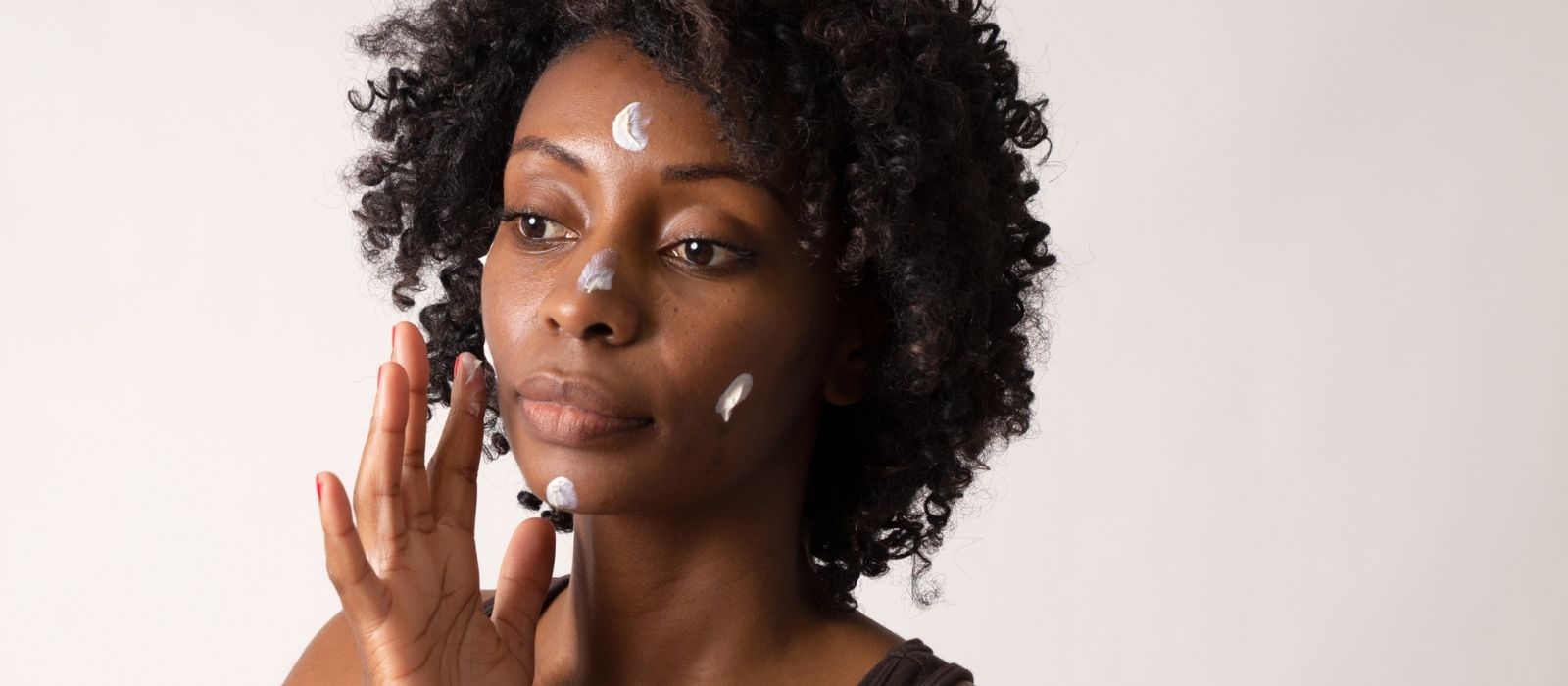
Exfoliating acids help clear the dead skin that traps a hair. A salicylic acid body wash or pads, used a couple of times a week, is a reasonable start and gentler on razor-irritated skin than a gritty scrub.
Glycolic acid speeds up how fast the outer layer of skin sheds, which can help trapped hairs surface. Start with a low strength once a week and build up slowly. Keep it off freshly shaved skin, where it stings and can burn.
For the dark marks, skip over-the-counter fading creams that contain hydroquinone. The FDA says there are no legally marketed over-the-counter skin lightening products in the US, and it has had reports of rashes, facial swelling and ochronosis, a darkening of the skin that may be permanent. A dermatologist can prescribe hydroquinone or other treatments and tell you how long to use them.
How to Prevent Ingrown Hairs
The most reliable prevention, as the NHS points out, is not shaving at all, so letting an area grow out for a while is a real option. If you do remove hair, rethink your hair removal approach.
For shaving, the American Academy of Dermatology's advice on razor bumps is to use a sharp single-blade or electric razor, never shave dry, and shave slowly in the direction your hair grows, even though the shave won't be as close.
Electric clippers leave hair slightly longer than a razor, so the tip is less likely to curl back in. They're especially handy for the bikini line and the back of the neck.
Exfoliate gently with a washcloth or soft brush in small circles, but give freshly shaved skin a day's rest rather than scrubbing it straight away.
When to See a Doctor
See a doctor if a bump looks infected: very painful, hot or swollen, oozing pus, or if you have a fever or feel unwell. The NHS notes that redness can be harder to see on black or brown skin, so go by pain, heat and swelling. A GP can free a trapped hair with a sterile needle and prescribe a steroid cream or antibiotics.
See a dermatologist too if bumps keep coming back after you've changed how you remove hair, or if you notice raised, firm scars or keloids forming. The AAD warns that persistent razor bumps can leave permanent raised scars.
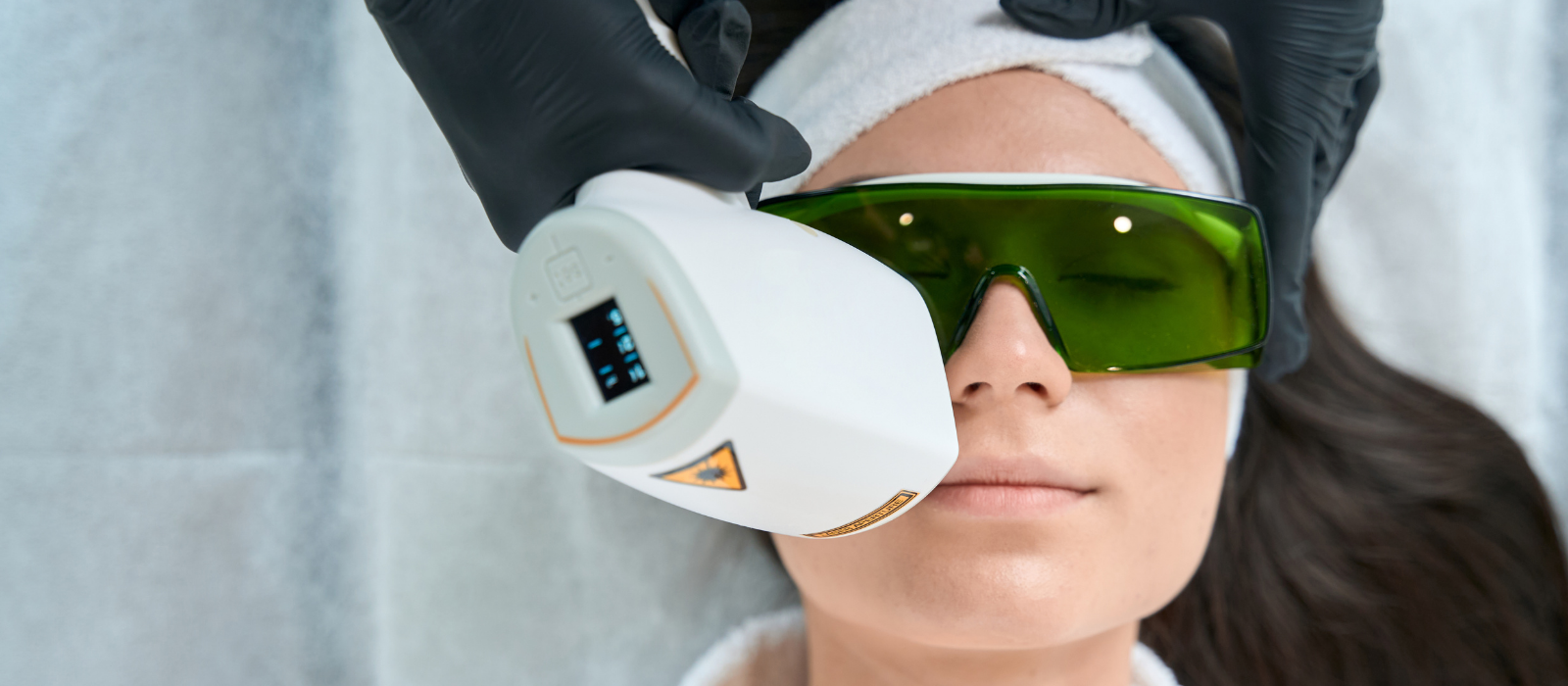
For bumps that keep returning in the same spots, laser hair removal is an option. The Mayo Clinic explains that the laser damages follicles to slow regrowth, that results can last months or years rather than forever, and that on black or brown skin you need an experienced practitioner using the right laser and settings, because skin color changes are more likely.
Frequently Asked Questions
How long do ingrown hair dark spots take to fade?
On dark skin, marks from ingrown hairs often take months to fade on their own, sometimes longer. Stopping new bumps is half the work, and a dermatologist can prescribe treatments that speed up fading.
Can I use home remedies for ingrown hairs on dark skin?
Tea tree oil and witch hazel have little evidence behind them for ingrown hairs, and neither will fade dark spots or prevent new bumps. Proven options like salicylic acid and a better shaving routine are a more reliable place to start.
Why do I keep getting ingrown hairs in the same spots?
Areas that rub against tight clothing or get shaved often take repeated irritation, and hormonal changes can affect how hair grows there too. Looser clothing and longer gaps between hair removal in problem areas can help.
This article is for informational purposes only. It is not a substitute for professional medical advice, diagnosis, or treatment. Always consult a qualified healthcare provider before making changes to your health routine.