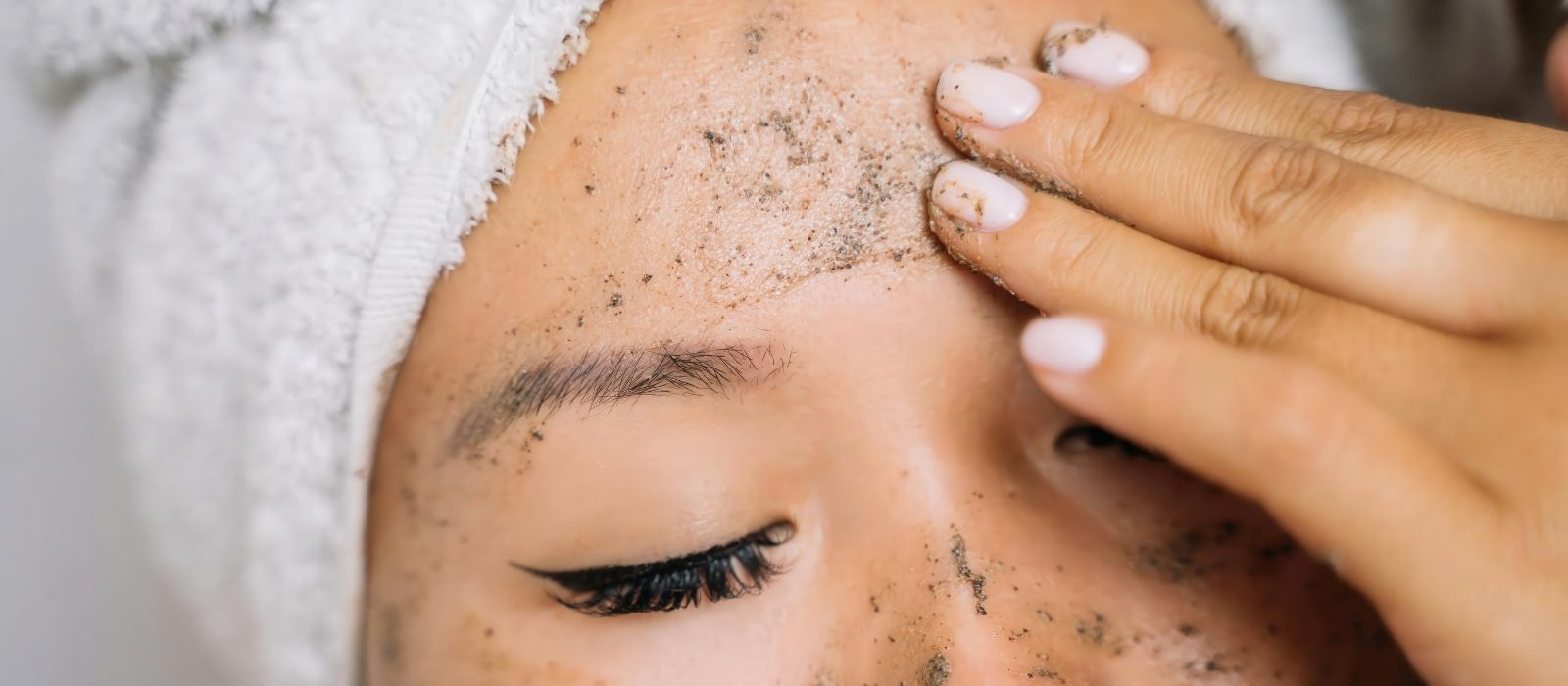
Safe, effective DIY skincare recipes you can make at home. Learn which ingredients actually work and avoid the ones that damage your skin barrier.
You raid your kitchen for a honey oat mask because a pin promised glowing skin in 15 minutes. Three weeks later your skin looks the same. Or it's red and tight, because the next recipe added lemon juice.
Kitchen skincare can soothe and add a little water for a few hours. Plenty of online recipes do nothing, and some (lemon juice, baking soda, neat essential oils, vinegar) cause real harm. The ones below stay at the gentle end.
What DIY Skincare Can and Can't Do
The outer layer of your skin is dead cells held together by fats, think bricks and mortar. A useful mask adds water and soothing compounds to that layer, or loosens dead cells without stripping the fats.
Honey draws water into the skin, and an enzyme in it makes small amounts of hydrogen peroxide, which is part of why it's antibacterial. That doesn't make it an acne treatment: in a 12-week trial of 136 people aged 16 to 40 with acne, adding medical-grade honey to antibacterial soap worked no better than soap alone.
Oats contain avenanthramides, compounds that calmed inflammation and itch in the lab and animal studies covered by a 2012 dermatology review of oatmeal. Finely ground (colloidal) oatmeal is regulated in the US as an over-the-counter skin protectant.
Kitchen Ingredients Gentle Enough to Use
Raw honey makes a simple 15-minute mask. Spread a thin layer on clean skin, away from your eyes, and rinse with warm water. Skip it if you react to bee products.
Colloidal oatmeal suits dry, itchy skin. Mix a tablespoon with enough water to make a paste and leave it on for 10 minutes. Oat allergy does happen, especially in people with eczema, so test it first if your skin is reactive.
Plain Greek yogurt contains a little lactic acid, far weaker than any exfoliating product you'd buy, so treat it as a soothing mask, not a peel. The idea that its live cultures help your skin microbiome is appealing but unproven.
Strong green tea, cooled completely, works as a splash or as the liquid in an oat paste. It's a pleasant extra, not sun protection.
DIY Ingredients That Can Hurt Your Skin
Lemon and lime juice top the list. Citrus contains furocoumarins, and juice on skin that then meets sunlight can cause a burning, sometimes blistering rash that leaves dark patches behind. A 2024 review of plant-triggered skin reactions names lemons and limes as sources, and dark marks after irritation are more common on deeper skin tones.
Baking soda is alkaline, around pH 8 to 9 in water, while healthy skin is mildly acidic. Scrubbing with it tends to leave skin dry, tight and irritated, and the glowing "after" photos usually show slight swelling.
Apple cider vinegar is acidic enough to burn. In one published case, a teenager who kept vinegar on moles under a bandage for three days ended up with open sores that took weeks to treat. Never use it neat or under a covering.
Essential oils such as tea tree, peppermint and cinnamon are known causes of allergic contact dermatitis. If a recipe puts oil straight on your face, or gives no dilution, skip it.
Sugar and salt crystals are rough on facial skin, especially if you have acne or sensitive skin. A yogurt mask is far gentler.
Four DIY Skincare Recipes Worth Making
Patch test first. The American Academy of Dermatology suggests applying a new product to a quarter-sized spot twice a day for seven to 10 days, leaving it on as long as you normally would. If the spot turns red, itchy or swollen, wash it off and don't use that mix again. Skip masks on broken or flaring skin.
For dry, irritated skin: mix 2 tablespoons colloidal oatmeal with 1 tablespoon raw honey and enough warm water to make a paste. Leave on for 15 minutes, rinse gently, and use up to twice a week.
For oily, breakout-prone skin: combine 1 tablespoon raw honey with 1 teaspoon finely ground oats and leave on for 15 minutes. It won't clear acne, but it won't aggravate it either.
For dull skin: mix 2 tablespoons plain Greek yogurt with 1 teaspoon raw honey and leave on for 10 minutes.
For sensitive skin: steep 2 green tea bags in hot water for 10 minutes and let it cool completely. Stir into 1 tablespoon colloidal oatmeal and apply for 10 minutes.
Why Most DIY Recipes Don't Work
Your skin barrier keeps most of what you put on it at the surface. That's fine for soothing and short-term hydration, and it's why a kitchen mask won't do the job of your retinol or vitamin C serum.
Batches vary too. Honey, yogurt and oats differ from jar to jar, and nothing in your kitchen is pH-adjusted or preserved like a commercial product.
Use these masks as a nice extra, not a replacement for proven active ingredients.
FAQ
How often can I use DIY face masks without damaging my skin?
Once or twice a week is plenty. Even gentle masks can irritate if you overdo them, so patch test each new mix for a week before it goes on your face.
Can I store homemade skincare products or do I need to make them fresh each time?
Make a fresh batch each time. Homemade mixes have no preservatives, so bacteria and mould can grow, especially in anything made with yogurt or water. Throw leftovers away.
Will DIY skincare work as well as expensive store-bought products for anti-aging?
No. DIY masks give short-term hydration and soothing but can't match retinoids, peptides or vitamin C serums for anti-aging. Use them for comfort and rely on proven actives for long-term change.
This article is for informational purposes only. It is not a substitute for professional medical advice, diagnosis, or treatment. Always consult a qualified healthcare provider before making changes to your health routine.