Body acne vs face acne treatment requires different approaches. Learn why body breakouts happen, what makes them different, and how to treat each effectively.
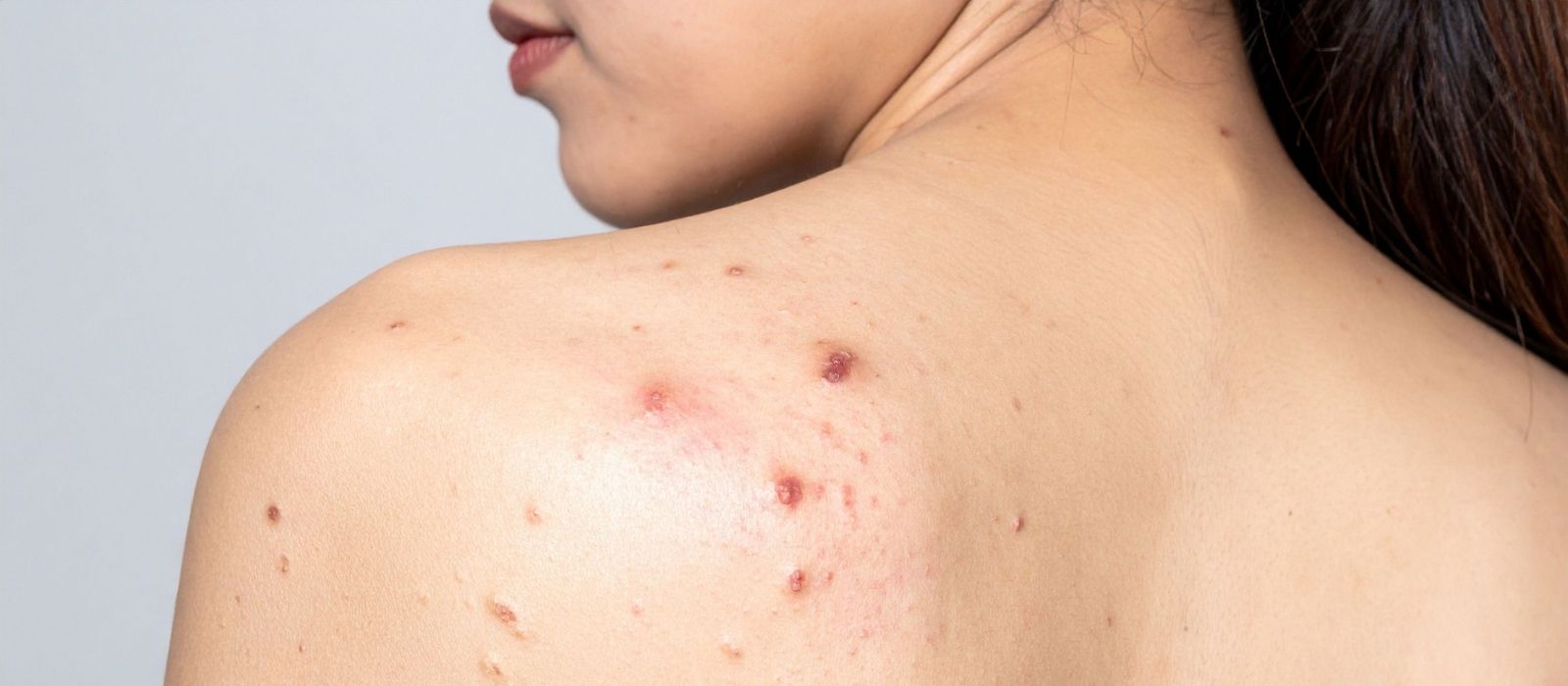
Your face is finally clear. Then you catch yourself in a changing room mirror and there they are: red bumps across your back, chest or shoulders that won't budge no matter what you try.
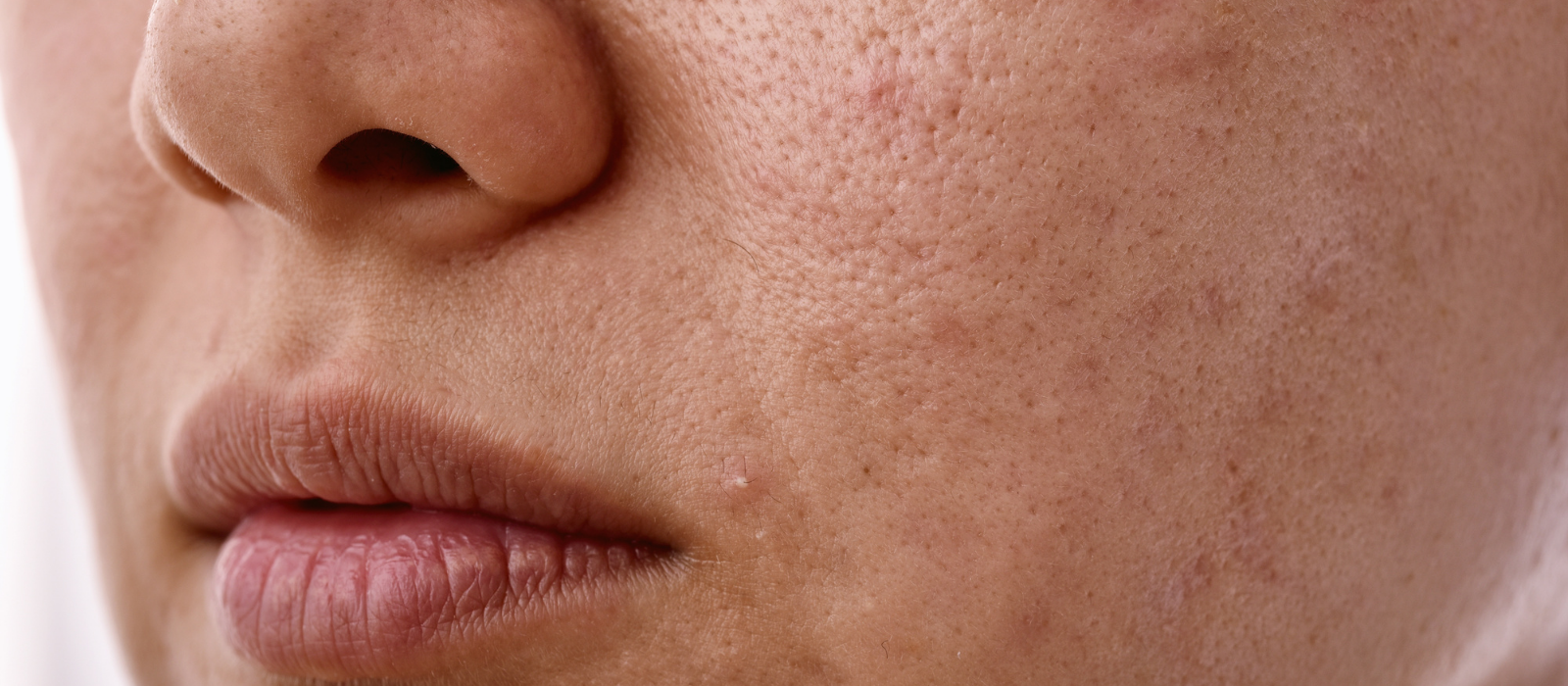
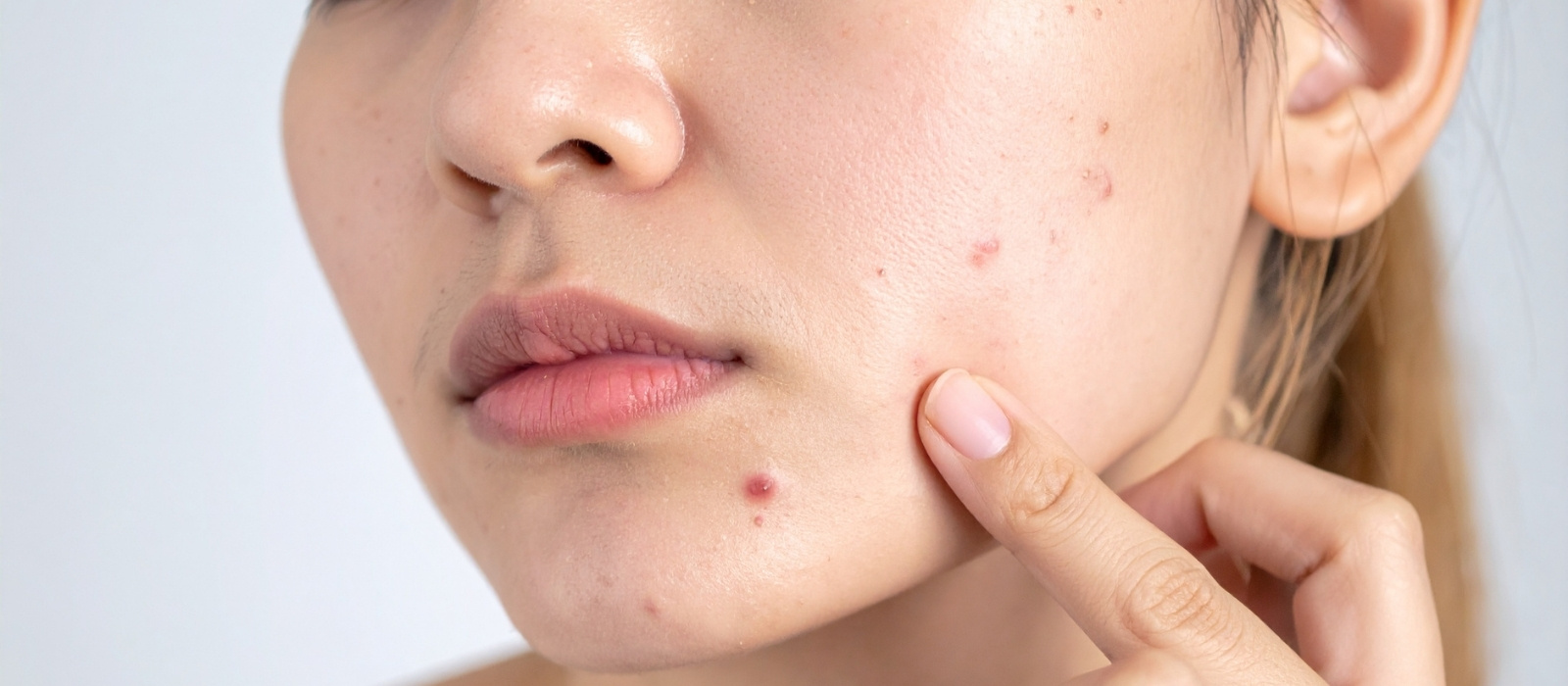
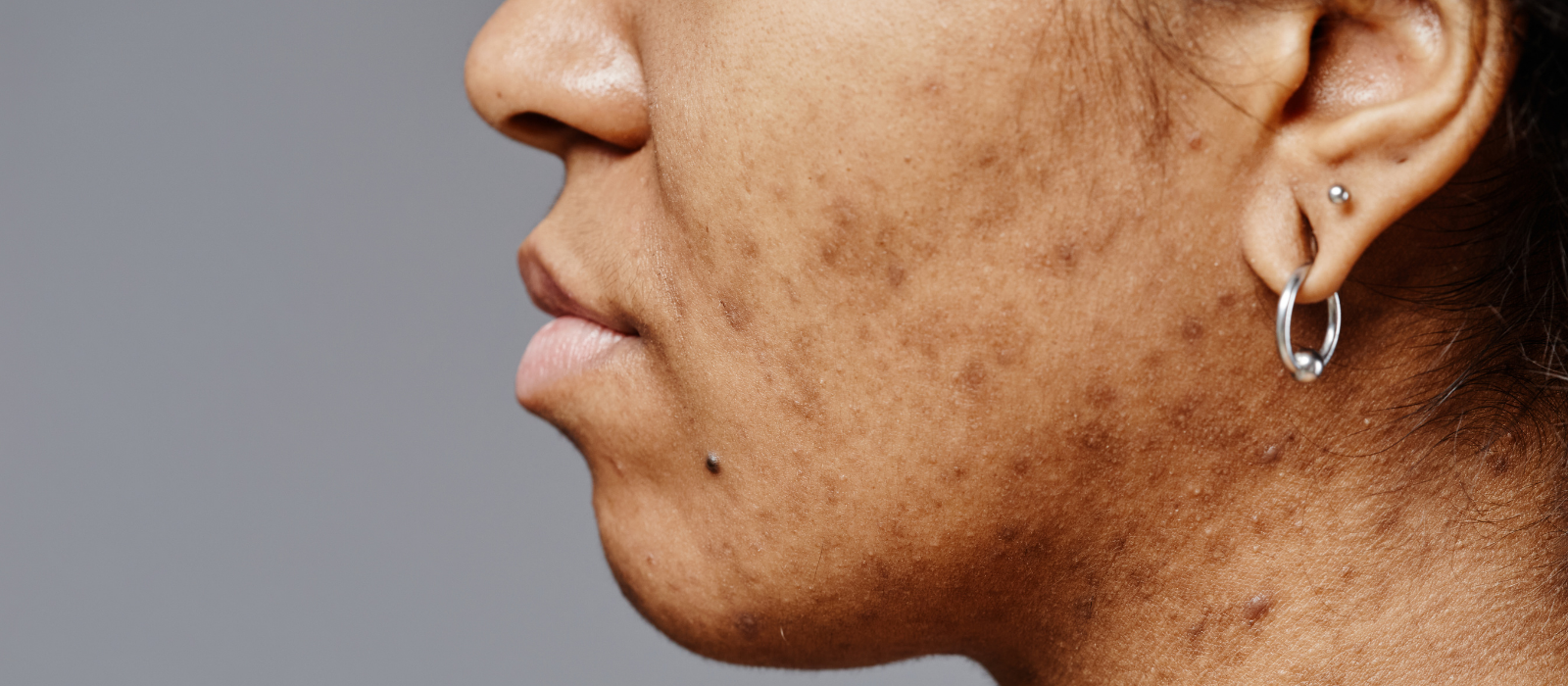
Body acne forms the same way face acne does, with pores clogged by oil and dead skin. The NHS notes that acne usually affects the face, chest and back. What's different is everything around it: friction from clothing, sweat trapped under fabric, and products that never touch your face.
That's why the routine that cleared your face may do little for your back. Below your neck, you need a different way of applying treatment and more attention to what touches your skin.
Why Body Acne Forms Differently Than Face Acne
Your back and chest have plenty of oil glands, which is why breakouts cluster there. They're also covered for most of the day.
Friction makes things worse. Tight clothing, backpack straps and bra bands rub and press on the skin, and the American Academy of Dermatology warns that anything that rubs against your back can cause flares.
Sweat matters too, especially when it sits on your skin for hours. Your face gets washed and stays open to the air. Your back and chest stay covered in damp fabric after a workout.
Hair products are another cause. Oil from shampoos, conditioners and styling products can reach your skin and clog pores, and conditioner running down your back in the shower is an easy one to miss.
Body Acne vs Face Acne Treatment: What Changes
The ingredients are largely the same, but the format changes. On your back, a wash you can spread over a wide area and rinse off is easier than a cream you can't reach.
Scrubbing doesn't help. Rough brushes and grainy scrubs irritate skin, and the AAD advises cleansing gently, because scrubbing makes acne worse.
Leave-on treatments like adapalene go on after your shower or before bed. Spreading a thin layer over the affected area works better than dotting individual spots.
Clothing and habits matter more for body acne than face acne. Shower and change as soon as you can after sweating, wear loose cotton or sweat-wicking fabrics, and wash workout clothes after each use. If you can't shower straight away, an oil-free cleansing wipe is better than nothing.
What Works for Body Acne Specifically
Benzoyl peroxide body washes are the standard starting point. The AAD suggests a 5.3% foaming wash if your skin is easily irritated, or up to 10% if you need something stronger. Leave it on for 2 to 5 minutes before rinsing, which gives it time to work and keeps it from bleaching your towels and clothes.
Salicylic acid body sprays reach places you can't see. Used after showering, they're easier than trying to rub a cream across your whole back.
Adapalene 0.1% gel, available without a prescription in many countries, helps unclog pores and works well alongside a benzoyl peroxide wash. Apply it only where you break out. As a precaution, topical retinoids shouldn't be used in pregnancy or when planning a baby, so skip it if you're pregnant or trying to be.
Your body skin needs its own routine because the triggers are different. Focus on prevention through gentle cleansing and clothing choices rather than chasing individual spots.
When to Use Face Products on Your Body
Facial products can work on your body, especially on sensitive areas like your chest or upper arms. A gentle facial cleanser or a spot treatment is fine there.
Be more careful going the other way. A 10% benzoyl peroxide body wash is strong for most faces and can leave the skin dry and peeling. Hormonal acne treatment also differs depending on where your breakouts are.
See a dermatologist for deep, painful acne on your back, or if nothing has changed after 6 to 8 weeks. Widespread spots on the chest and back may need prescription treatment, such as antibiotic tablets or stronger retinoids, and the NHS lists this as a reason for referral to a specialist.
Treat body acne as its own problem, not facial acne that happens to be elsewhere. Knowing your acne type helps you decide between gentle maintenance and stronger treatment.
Some habits help body acne in ways skincare alone can't: switching to fragrance-free detergent, showering after workouts, and wearing loose cotton clothing.
Frequently Asked Questions
Can I use my face acne products on my body?
Often, yes. The same ingredients work on both, and a gentle facial cleanser can suit sensitive spots like the chest. Large areas like the back are easier to treat with a wash, such as a benzoyl peroxide body wash left on for a few minutes before rinsing.
Why do I get body acne but not face acne?
Your back and chest have plenty of oil glands, and they face things your face doesn't, such as friction from clothing and bags, sweat trapped under fabric, and hair products running down your back in the shower. Some people simply break out more in one area than another.
How long does it take to clear body acne vs face acne?
Expect to wait either way. For back acne, the AAD says you may see results in 6 to 8 weeks and complete clearing can take 3 to 4 months. Many acne treatments for the face also take 2 to 3 months to work.
This article is for informational purposes only. It is not a substitute for professional medical advice, diagnosis, or treatment. Always consult a qualified healthcare provider before making changes to your health routine.