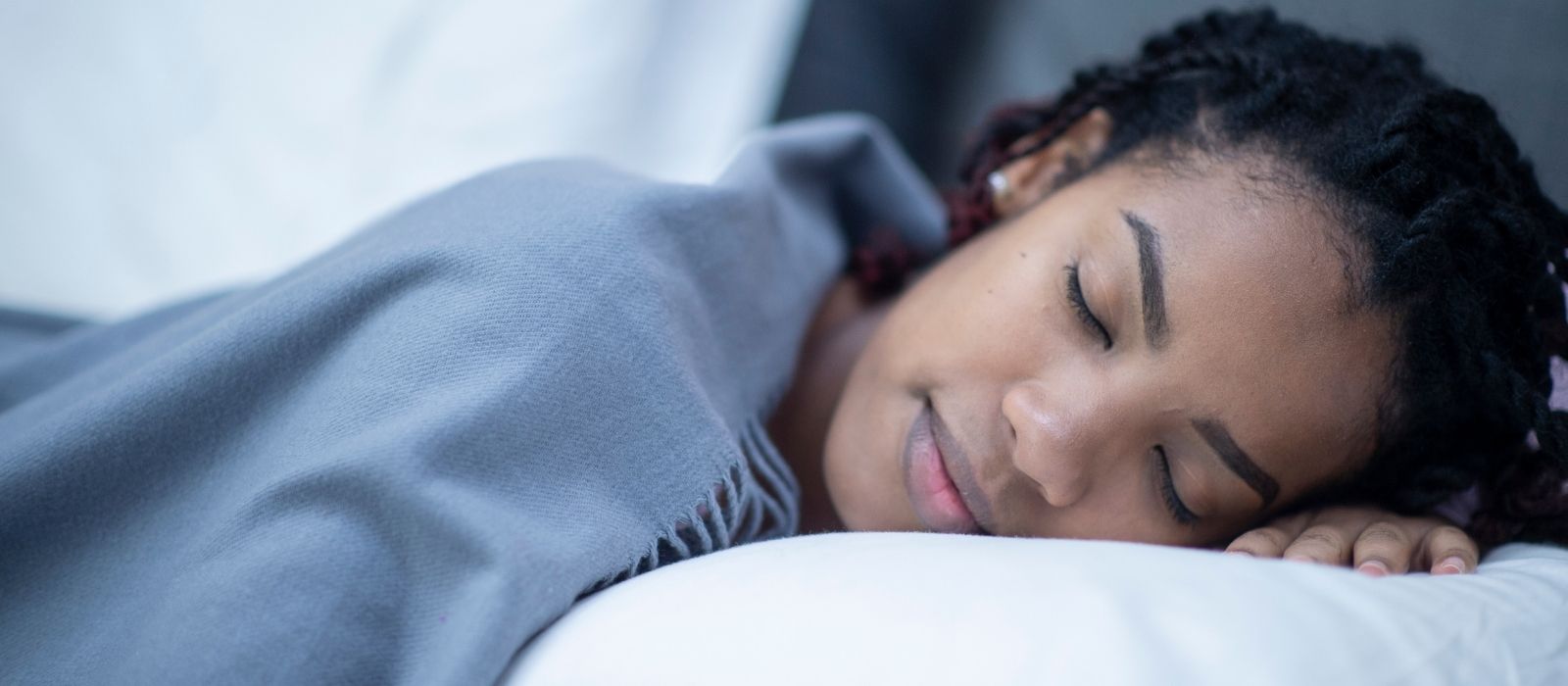
Sleep gets harder to come by as you age, and for women, hormones are a significant part of the reason. Here's what's changing and what actually makes a difference.
You used to fall asleep easily. Wake up once, maybe twice, roll over and drift back off. Now you're lying there at 3 AM staring at the ceiling, mind racing through tomorrow's tasks while your body feels tired but wired.
Sleep changes with age women experience aren't just about getting older, they're about hormones. Your sleep architecture shifts starting in your late 30s, but for women, estrogen and progesterone fluctuations accelerate the process. Most sleep advice ignores this hormonal dimension entirely, which is why standard recommendations often fall flat.
The changes happen gradually, then suddenly. You might notice you can't stay asleep past 5 AM, or you wake up multiple times feeling like your brain won't shut off. Your deep sleep phases get shorter and lighter sleep dominates. This isn't failure, it's biology.
What Actually Changes in Your Sleep Architecture
Sleep happens in cycles, and each cycle contains different stages. Deep sleep, the restorative kind that leaves you feeling refreshed, makes up about 20% of your sleep in your 20s. By your 50s, that drops to around 10-15%. You spend more time in lighter stages where noise, temperature changes, or hormonal fluctuations can wake you easily.
Your circadian rhythm shifts too. The internal clock that regulates sleep-wake cycles advances with age, making you naturally sleepy earlier and wake earlier. For women, this happens alongside hormonal changes that can make the transition more disruptive than it is for men.
Research from the Sleep Research Society shows women report more sleep problems during perimenopause than men of the same age. Hot flashes wake you directly, but even without them, dropping estrogen affects neurotransmitters that regulate sleep quality.
How Hormones Disrupt Your Sleep Patterns
Estrogen helps maintain deep sleep and keeps your core body temperature stable. When levels fluctuate during perimenopause, your body struggles to maintain the cool temperature needed for quality sleep. You might feel hot, kick off covers, then get cold and wake up.
Progesterone acts like a natural sedative. It increases GABA activity in your brain, the neurotransmitter that promotes calm and sleepiness. When progesterone drops, you lose that natural relaxation signal. Your mind stays active when it should be winding down.
Cortisol patterns change too. Normally, cortisol drops at bedtime and rises in the morning. Chronic stress disrupts this rhythm, keeping cortisol elevated when you need it low for sleep.
Sleep Strategies That Work for Hormonal Changes
Temperature regulation becomes critical. Keep your bedroom between 65-68°F. Use breathable bedding and consider a cooling mattress pad if hot flashes are waking you. Layer blankets so you can adjust without fully waking up.
Magnesium supplementation can help with the muscle tension and anxiety that interfere with sleep. Magnesium glycinate works better for sleep than citrate because it's less likely to cause digestive upset and has a calming effect on the nervous system.
Light exposure timing matters more as you age. Get bright light first thing in the morning to reinforce your circadian rhythm. Dim lights 2-3 hours before bedtime. Blue light blocking glasses aren't magic, but they can help if you're using screens in the evening.
Exercise timing affects sleep quality, but the relationship changes with hormones. Intense exercise too close to bedtime can keep you wired, especially when stress hormones are already elevated.
When Standard Sleep Advice Doesn't Work
Sleep hygiene basics, dark room, cool temperature, no screens, still matter, but they're not enough when hormones are involved. You might follow every rule and still wake up at 3 AM because your body temperature regulation is off or your cortisol is spiking.
Evening routines can backfire if they're too stimulating or scheduled too late. Your window for winding down shrinks when hormones are fluctuating. Start your routine earlier than you think you need to.
Stress management becomes more important than perfect sleep scheduling. Your nervous system holds onto stress differently as you age, and that accumulated tension shows up at bedtime when everything else is quiet.
The goal isn't to sleep like you did in your 20s, that architecture is gone. The goal is to work with your current biology instead of fighting it. Accept that you might need 7-8 hours in bed to get 6-7 hours of actual sleep. Plan for it instead of feeling frustrated by it.
FAQ
Why can't I sleep through the night anymore like I used to
Sleep architecture changes naturally with age, but for women, hormonal fluctuations during perimenopause accelerate the process. Estrogen and progesterone levels affect neurotransmitters that regulate deep sleep, making you more likely to wake during lighter sleep phases.
What helps with perimenopause insomnia besides medication
Temperature regulation, magnesium supplementation, and stress management work better than standard sleep hygiene alone. Keep your bedroom cool, consider magnesium glycinate 200-400mg before bed, and address the accumulated stress that shows up when you're trying to sleep.
Is it normal to wake up at 3 AM every night during menopause
Yes, this timing corresponds to when cortisol naturally dips and core body temperature drops. When hormones are fluctuating, these normal changes can wake you more easily. It's biology, not insomnia, though the effect is similar.
This article is for informational purposes only. It is not a substitute for professional medical advice, diagnosis, or treatment. Always consult a qualified healthcare provider before making changes to your health routine.