Most sleep problems are set in motion hours before bed. Here's what's happening in the evening that disrupts the night, and what to change first.
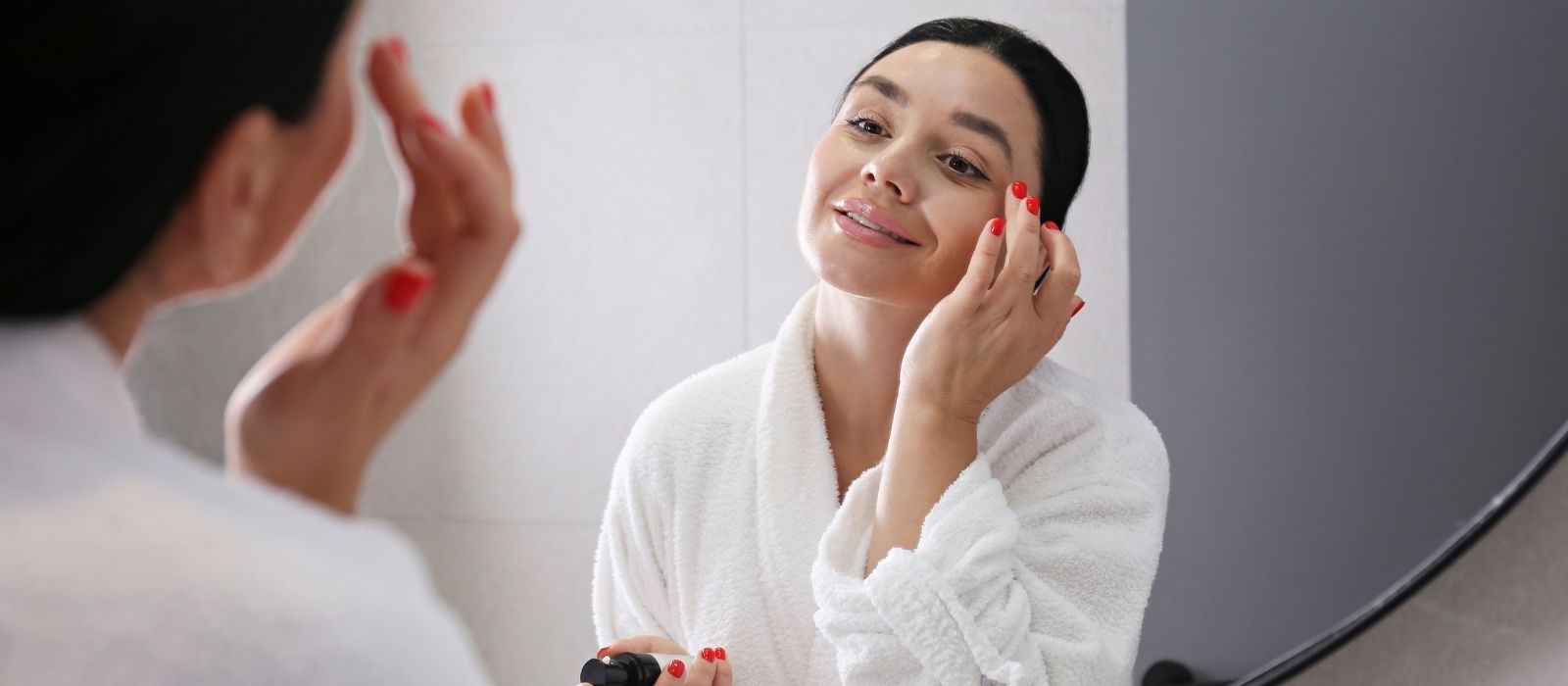
You follow your skincare routine religiously. Check emails one last time. Maybe scroll through social media while the TV plays in the background.
You're winding down, right? Three hours later, you're staring at the ceiling wondering why sleep won't come.
The problem isn't what happens when your head hits the pillow. It's what happens in the four hours before that moment. Your body starts preparing for sleep around sunset, but most evening routines work against this process instead of supporting it.
Sleep problems start with cortisol timing and melatonin suppression, both of which get disrupted by the habits most people consider normal parts of their evening routine for better sleep. Late meals, bright screens, alcohol, and high-intensity exercise all send your body signals that contradict the natural sleep-wake cycle.
Late Eating Keeps Cortisol Elevated When It Should Drop
Your cortisol naturally peaks in the morning and gradually declines throughout the day, reaching its lowest point around 10 PM. This drop signals your body that it's time to produce melatonin and prepare for sleep. Eating within three hours of bedtime disrupts this pattern completely.
When you eat, your body releases cortisol to help metabolize the food. A meal at 9 PM means cortisol is still elevated when it should be declining. Your digestive system also increases core body temperature, which works against the natural temperature drop that triggers sleepiness.
The timing matters more than the food itself. A 600-calorie dinner at 6 PM supports sleep. The same meal at 9 PM delays melatonin onset by 1-2 hours, according to research from Harvard Medical School.
Blue Light Exposure After Sunset Blocks Melatonin Production
Your phone screen emits 40-50 lux of blue light. Your laptop screen hits 100-200 lux. For context, a bright office is around 500 lux, and direct sunlight is 100,000 lux. These numbers seem small, but your melatonin production is incredibly sensitive to light exposure after dark.
Even 10 lux of blue light can suppress melatonin by 50% when exposure happens between 8 PM and midnight. That's dimmer than most phone screens. The blue light wavelengths between 460-480 nanometers are especially disruptive because they mimic daylight signals to your brain.
Blue light blocking glasses help, but they're not perfect. The most effective ones block 90% of blue light, which still leaves enough to affect melatonin in sensitive people. Screen time reduction after sunset works better than any filter.
Alcohol Creates a Sleep Paradox
Alcohol makes you feel sleepy initially because it's a central nervous system depressant. It can help you fall asleep faster, which is why people think it helps with insomnia. But alcohol metabolism disrupts sleep architecture throughout the night.
Your liver processes alcohol at roughly one drink per hour. A glass of wine with dinner at 7 PM is mostly cleared by bedtime. Two glasses means alcohol is still being metabolized while you sleep, which fragments your sleep cycles and reduces REM sleep by up to 25%.
Alcohol also acts as a diuretic and interferes with temperature regulation. You'll wake up more frequently to use the bathroom and may experience night sweats as your body temperature fluctuates abnormally.
High-Intensity Evening Exercise Raises Core Temperature
Exercise is excellent for sleep quality when timed correctly. But high-intensity workouts within three hours of bedtime can delay sleep onset by raising your core body temperature and increasing alertness.
Your body temperature naturally drops 1-2 degrees Fahrenheit in the evening as part of the sleep preparation process. Intense exercise can raise your core temperature by 2-3 degrees, which takes 4-6 hours to fully normalize.
The type of exercise matters. Gentle movement like yoga or walking can actually support sleep by reducing cortisol without raising core temperature significantly.
What Actually Supports Sleep Preparation
An effective evening routine for better sleep works with your circadian rhythm instead of against it. Finish eating by 7 PM if you sleep at 10 PM. Switch to warm lighting after sunset, aim for 2700K bulbs or lower. If you need screens, use them before 8 PM or invest in high-quality blue light blocking glasses that filter 99% of blue light.
Replace alcohol with magnesium glycinate or chamomile tea if you want something that genuinely supports sleep quality. Magnesium glycinate specifically helps with muscle relaxation and nervous system calming without the sleep disruption that comes with alcohol.
The evening hours set up everything that follows. If your body is still processing stress from the day, it can't shift into sleep mode effectively. Simple changes to meal timing, light exposure, and activity choices in the four hours before bed often solve sleep problems that people assume require medication or major lifestyle overhauls.
FAQ
What time should I stop eating before bed for better sleep?
Stop eating 3-4 hours before your intended bedtime. If you sleep at 10 PM, finish dinner by 6-7 PM. This allows cortisol levels to drop naturally and prevents digestive processes from interfering with your core body temperature regulation.
Do blue light blocking glasses actually work for evening screen time?
High-quality blue light blocking glasses that filter 90-99% of blue light can help, but they're not perfect. Even with glasses, limiting screen time after 8 PM works better than relying on filters alone for melatonin production.
Why does alcohol make me sleepy but ruin my sleep quality?
Alcohol is a depressant that makes you feel drowsy initially, but your liver metabolizes it throughout the night, fragmenting sleep cycles and reducing REM sleep by up to 25%. It also causes frequent wake-ups due to its diuretic effects.
This article is for informational purposes only. It is not a substitute for professional medical advice, diagnosis, or treatment. Always consult a qualified healthcare provider before making changes to your health routine.