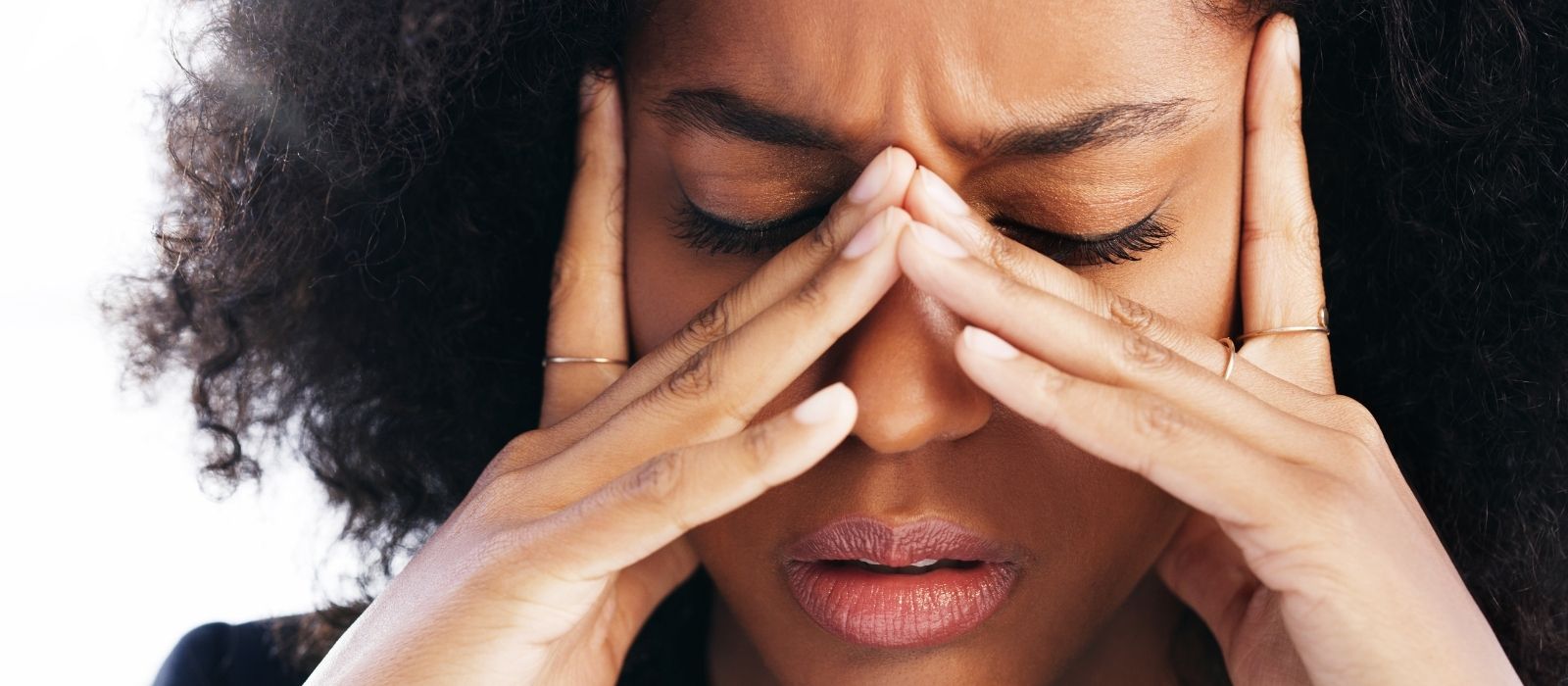
Chronic stress does more than make you tired. Here's what's actually happening in the body, from hormones to immunity to digestion, and why it matters.
You feel tired all the time. That's the obvious part. But the headaches that started three months ago? The digestive issues that seem unrelated to what you eat?
The way your skin breaks out right before important meetings? Those aren't separate problems. They're all connected to the same thing.
Chronic stress effects on body go far beyond exhaustion. Your body doesn't distinguish between a looming deadline and a charging bear. When stress becomes constant, it triggers a cascade of physical changes that show up in ways you might not connect back to stress. The fatigue gets your attention, but it's often the least of what's happening.
The real damage accumulates quietly. Your digestive system slows down. Your immune system gets confused.
Your hormones stop communicating properly. These changes happen gradually, which is why you might attribute them to aging, genetics, or bad luck instead of recognizing the pattern.
What Happens When Your Stress Response Won't Turn Off
Your stress response was designed for short bursts. Cortisol spikes, your heart rate increases, and non-essential systems like digestion temporarily shut down so you can deal with immediate danger. Then everything returns to baseline.
Chronic stress breaks this cycle. Your cortisol stays elevated for months or years. According to research from Harvard Medical School, chronically elevated cortisol disrupts nearly every system in your body. It suppresses immune function, increases inflammation, and interferes with sleep patterns that normally help your body recover.
Your digestive system pays an immediate price. Stress diverts blood flow away from your stomach and intestines. Food sits longer, nutrients absorb poorly, and you develop symptoms like bloating, constipation, or acid reflux that seem completely unrelated to stress levels. But they're not.
How Chronic Stress Physical Symptoms Show Up Differently in Women
Women's bodies respond to chronic stress differently than men's, particularly around hormonal fluctuations. The Cleveland Clinic notes that chronic stress can disrupt the hypothalamic-pituitary-ovarian axis, affecting everything from menstrual cycles to fertility.
Your period might become irregular or disappear entirely. PMS symptoms often worsen. You might notice your skin breaking out in patterns that don't match your cycle, or hair thinning in ways that started gradually and accelerated without obvious cause.
Sleep becomes another casualty. Stress hormones interfere with melatonin production, making it harder to fall asleep despite feeling exhausted. Even when you do sleep, elevated cortisol prevents deep, restorative stages, which is why you wake up tired regardless of hours spent in bed.
The Immune System Connection You Don't See Coming
Chronic stress doesn't just make you tired. It makes you sick more often. Research from Carnegie Mellon University found that people under chronic stress have suppressed immune responses, making them nearly twice as likely to develop colds when exposed to viruses.
But it's not just about catching more bugs. Chronic stress creates systemic inflammation throughout your body. This low-grade inflammation contributes to conditions like autoimmune disorders, where your immune system starts attacking healthy tissue because it can't distinguish between real threats and stress-induced signals.
Your skin reflects this internal inflammation. Adult acne, eczema flares, or skin that suddenly becomes sensitive to products you've used for years often trace back to chronic stress disrupting your body's inflammatory response.
Why Recovery Requires More Than Rest
Taking a vacation won't fix chronic stress effects on body. Your nervous system stays activated even after stressful situations end, which is why you can feel wired and tired simultaneously.
Recovery involves actively shifting your nervous system back toward rest and repair. Gentle movement helps process stress hormones, while high-intensity exercise can actually increase cortisol when you're already overtaxed.
Heart rate variability monitoring can show you objectively whether your nervous system is recovering, rather than relying on how you think you should feel.
The changes from chronic stress accumulate slowly, which means reversing them takes time too. Your digestive system needs weeks to months to normalize. Hormone patterns can take several cycles to rebalance. But recognizing these symptoms as connected rather than isolated problems is the first step toward addressing the root cause instead of just managing symptoms.
Frequently Asked Questions
How long does it take to reverse chronic stress effects on the body?
Physical symptoms can start improving within 2-4 weeks of stress reduction, but full recovery typically takes 3-6 months. Digestive issues often resolve first, while hormonal balance and immune function take longer to normalize.
Can chronic stress cause weight gain even if you're eating the same?
Yes. Elevated cortisol increases fat storage, particularly around the midsection, and slows metabolism. Stress also disrupts hunger hormones, making you crave high-calorie foods even when you're not actually hungry.
What are the first signs that stress is affecting my body physically?
Sleep disruption and digestive changes typically appear first, followed by skin issues, frequent minor illnesses, and changes in appetite or weight. These often develop gradually, making them easy to dismiss initially.
This article is for informational purposes only. It is not a substitute for professional medical advice, diagnosis, or treatment. Always consult a qualified healthcare provider before making changes to your health routine.