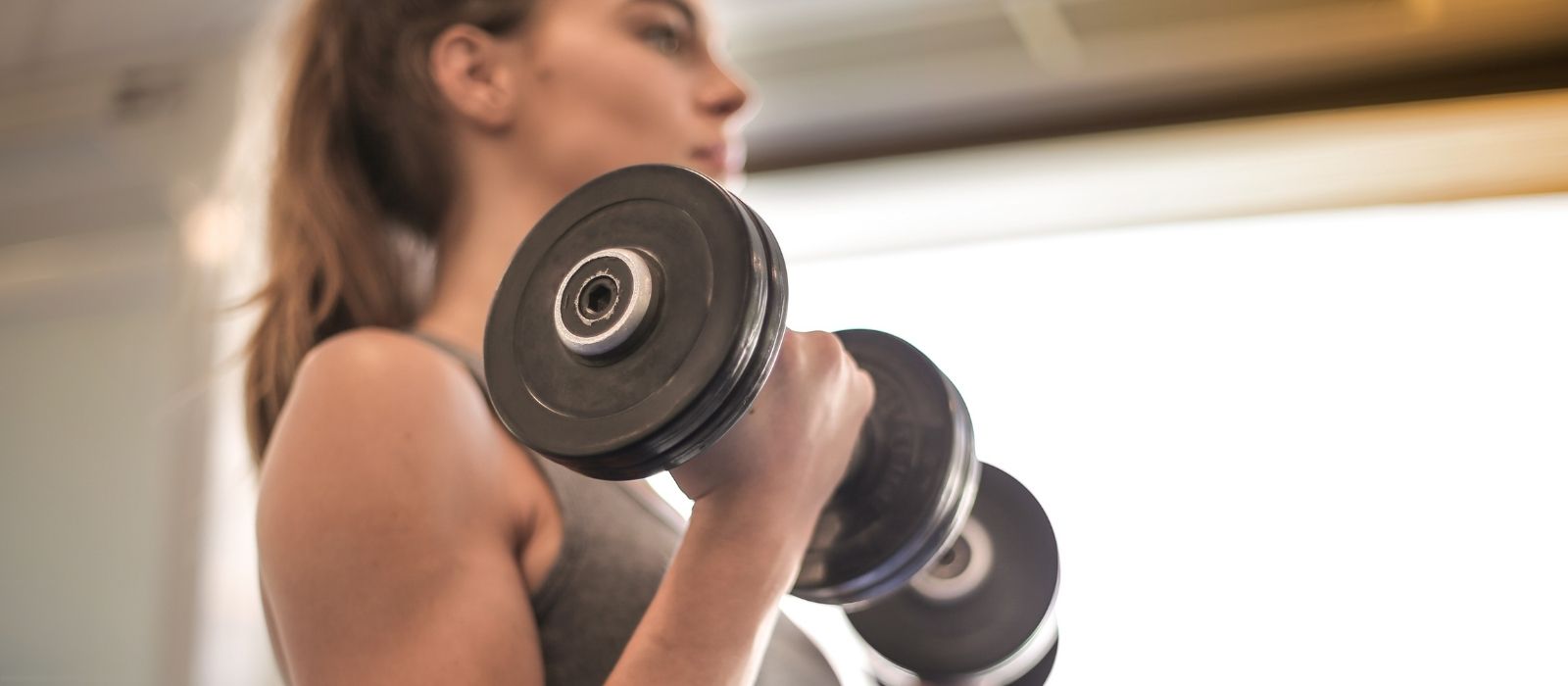
Strength training affects women's hormones differently than men's. Here's what lifting actually does hormonally and how to work with your cycle.
You've been told that lifting weights will make you bulky, mess with your cycle, or spike testosterone in unwanted ways. None of that's true. But here's what fitness influencers won't tell you: strength training affects women's hormones completely differently than men's, and most training advice ignores this entirely.
Women's hormonal responses to lifting weights follow patterns that shift throughout the month. Your cortisol response changes depending on where you are in your cycle. Your testosterone increases, but not how you think. And your estrogen levels actually benefit from regular resistance training in ways that cardio alone can't match.
The problem is that most strength training research has been done on men, then applied to women as if we're just smaller versions. We're not. Women's hormonal systems respond to stress, recovery, and training loads through completely different pathways.
How Strength Training Hormones Women Experience Actually Work
Strength training triggers a cascade of hormonal changes that work differently in women than men. Your testosterone does increase after lifting, but it peaks about 15-30 minutes post-workout and returns to baseline within 24 hours. This temporary spike helps with muscle protein synthesis and recovery without the long-term elevation that causes masculine characteristics.
Estrogen levels benefit from regular resistance training through improved insulin sensitivity and better body composition. A study from the University of Alabama found that postmenopausal women who strength trained three times per week for six months showed significant improvements in estrogen metabolism compared to those doing cardio alone.
Growth hormone responds more dramatically in women than men during strength training sessions. Women can see growth hormone increases of 15-20 times baseline levels after heavy lifting, compared to 5-10 times in men. This helps with fat metabolism, muscle recovery, and sleep quality.
The Cortisol Problem Most Women Don't See Coming
Here's where lifting weights hormones women need to understand gets complicated: cortisol response varies wildly based on your menstrual cycle phase. During your follicular phase (first half of your cycle), your cortisol response to intense training is manageable. During your luteal phase (second half), the same workout can trigger cortisol spikes that take days to normalize.
Overtraining shows up differently in women than men hormonally. Instead of just feeling tired, you'll see irregular periods, disrupted sleep, and stubborn weight around your midsection. Your body starts treating every workout like a threat when cortisol stays chronically elevated.
The sweet spot exists around 3-4 strength training sessions per week lasting 45-60 minutes. Beyond that, most women start seeing diminishing returns hormonally unless they're cycling their training intensity with their natural rhythm.
Training With Your Cycle Instead of Against It
Your hormone fluctuations aren't working against your strength training goals. They're giving you a blueprint for when to push harder and when to pull back.
Week 1-2 of your cycle (follicular phase): Your estrogen rises while progesterone stays low. This is when you recover fastest from intense sessions. Focus on progressive overload and heavier compounds during this phase.
Week 3-4 (luteal phase): Progesterone peaks while estrogen drops. Your body temperature runs higher, you fatigue faster, and your cortisol response amplifies. Scale back intensity but maintain consistency. This is perfect timing for building muscle endurance rather than chasing new personal records.
Women who align their training intensity with their cycle report better energy, more consistent strength gains, and fewer symptoms like bloating or mood swings around their period.
FAQ
Does strength training make women's testosterone too high?
No. Women's testosterone increases temporarily after lifting but returns to normal within 24 hours. The small, short-term spikes help with muscle recovery without causing masculine side effects.
Can lifting weights mess up your menstrual cycle?
Only if you're overtraining or under-eating. Moderate strength training actually supports healthy hormone production. Irregular periods from exercise usually come from excessive cardio combined with restricted calories.
Should women avoid heavy lifting during their period?
Not necessarily. Many women feel strongest during their period due to lower estrogen and progesterone. Listen to your energy levels rather than following arbitrary restrictions about what you can't do while menstruating.
This article is for informational purposes only. It is not a substitute for professional medical advice, diagnosis, or treatment. Always consult a qualified healthcare provider before making changes to your health routine.