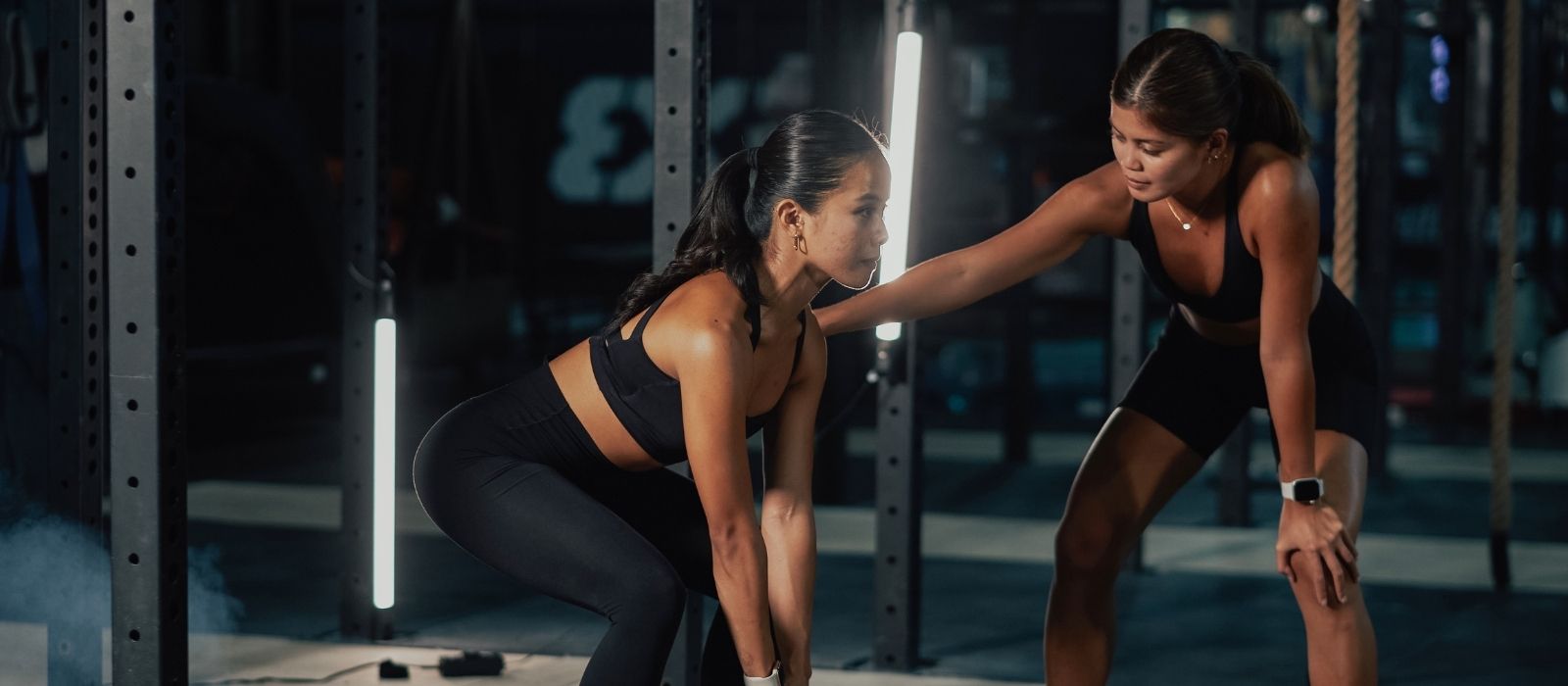
Women build muscle differently than men, but effectively with the right approach. Here's what actually drives muscle growth for women and what to realistically expect.
Your trainer tells you to lift heavier. Your friend swears by her protein powder. Instagram fitness influencers claim they gained 10 pounds of muscle in three months. Meanwhile, you've been strength training consistently for six months and can barely see a difference in your arms.
The problem isn't your effort or your program. It's that most muscle-building advice ignores how women's bodies actually work. Women build muscle more slowly than men because we have roughly 15-20 times less testosterone. That doesn't mean you can't build muscle effectively, it means you need a different timeline and approach than what works for men.
Here's what actually drives muscle growth for women: adequate protein, consistent progressive overload, sufficient training volume, and realistic expectations about timing. Most women can expect to gain 0.5 to 1 pound of muscle per month under optimal conditions, not the 2-3 pounds often cited in fitness magazines.
Why Women Build Muscle Differently
Testosterone is the primary hormone responsible for muscle protein synthesis. Men produce 300-1000 ng/dL naturally, while women produce 30-95 ng/dL. This gap explains why your male gym partner sees visible changes in weeks while you're measuring progress in months.
But women have advantages men don't. Estrogen supports muscle recovery and reduces exercise-induced muscle damage. Women also tend to have better muscular endurance and can handle higher training volumes relative to their strength levels. Your body builds muscle through different pathways, but it builds it nonetheless.
Protein Requirements That Actually Work
The standard recommendation of 0.8 grams per kilogram of body weight applies to sedentary people. Women actively trying to build muscle need closer to 1.6-2.2 grams per kilogram of body weight daily. For a 140-pound woman, that's 100-140 grams of protein per day.
Timing matters less than total intake, but spreading protein across three to four meals helps maximize muscle protein synthesis. Your body can only use about 25-30 grams of protein for muscle building in one sitting, so that post-workout shake with 50 grams isn't more effective than 25 grams.
Plant proteins work just as well as animal proteins when you eat enough total protein. The key is variety, quinoa, lentils, hemp seeds, and nutritional yeast all contribute different amino acid profiles that support muscle growth and overall strength.
Training Volume and Progressive Overload
Most women under-train for muscle growth. You need 10-20 sets per muscle group per week to stimulate growth, not the 6-8 sets many beginner programs recommend. That sounds like a lot, but it's spread across multiple sessions. Three sets of squats twice a week plus two sets of lunges once a week gets you to 8 sets for your quads.
Progressive overload drives muscle growth, gradually increasing the demands on your muscles over time. This doesn't always mean adding weight. You can add reps, sets, or slow down the eccentric portion of movements. A 5-pound increase every two weeks beats inconsistent 10-pound jumps that force you to drop back down.
Compound movements like squats, deadlifts, and rows work multiple muscle groups simultaneously and should form the base of your program. But isolation exercises like bicep curls and lateral raises help target smaller muscles that need extra attention to grow visibly.
Recovery and Realistic Timelines
Sleep directly impacts muscle growth through growth hormone release and muscle protein synthesis. Women who sleep less than seven hours per night show significantly slower muscle growth rates according to research from the University of Chicago. Your muscles grow during rest periods, not during workouts.
Expect to see strength improvements within 2-4 weeks, but visible muscle growth takes 8-12 weeks minimum. Muscle building for women is a slow process that compounds over time. Taking progress photos and measurements beats relying on the scale, since muscle weighs more than fat.
Your menstrual cycle affects training capacity and recovery. Many women find they can handle higher training volumes during the first two weeks of their cycle when estrogen levels rise. Listen to your body and adjust intensity accordingly rather than forcing the same performance every day.
The women who build muscle successfully focus on consistency over perfection. Missing one workout won't derail your progress, but skipping training for two weeks will. Starting with manageable routines you can maintain long-term beats aggressive programs that burn you out within a month.
Frequently Asked Questions
How long does it take to build muscle as a woman?
Most women see noticeable muscle growth after 8-12 weeks of consistent strength training with adequate protein. Strength improvements happen faster, within 2-4 weeks, but visible size changes take longer due to lower testosterone levels.
How much protein do I need to build muscle as a woman?
Women building muscle need 1.6-2.2 grams of protein per kilogram of body weight daily. For a 140-pound woman, that's 100-140 grams per day spread across multiple meals for optimal muscle protein synthesis.
Can women build muscle as fast as men?
No, women build muscle 50-60% slower than men due to hormonal differences, particularly lower testosterone levels. Women can expect to gain 0.5-1 pound of muscle per month under optimal conditions, while men can gain 1-2 pounds monthly.
This article is for informational purposes only. It is not a substitute for professional medical advice, diagnosis, or treatment. Always consult a qualified healthcare provider before making changes to your health routine.