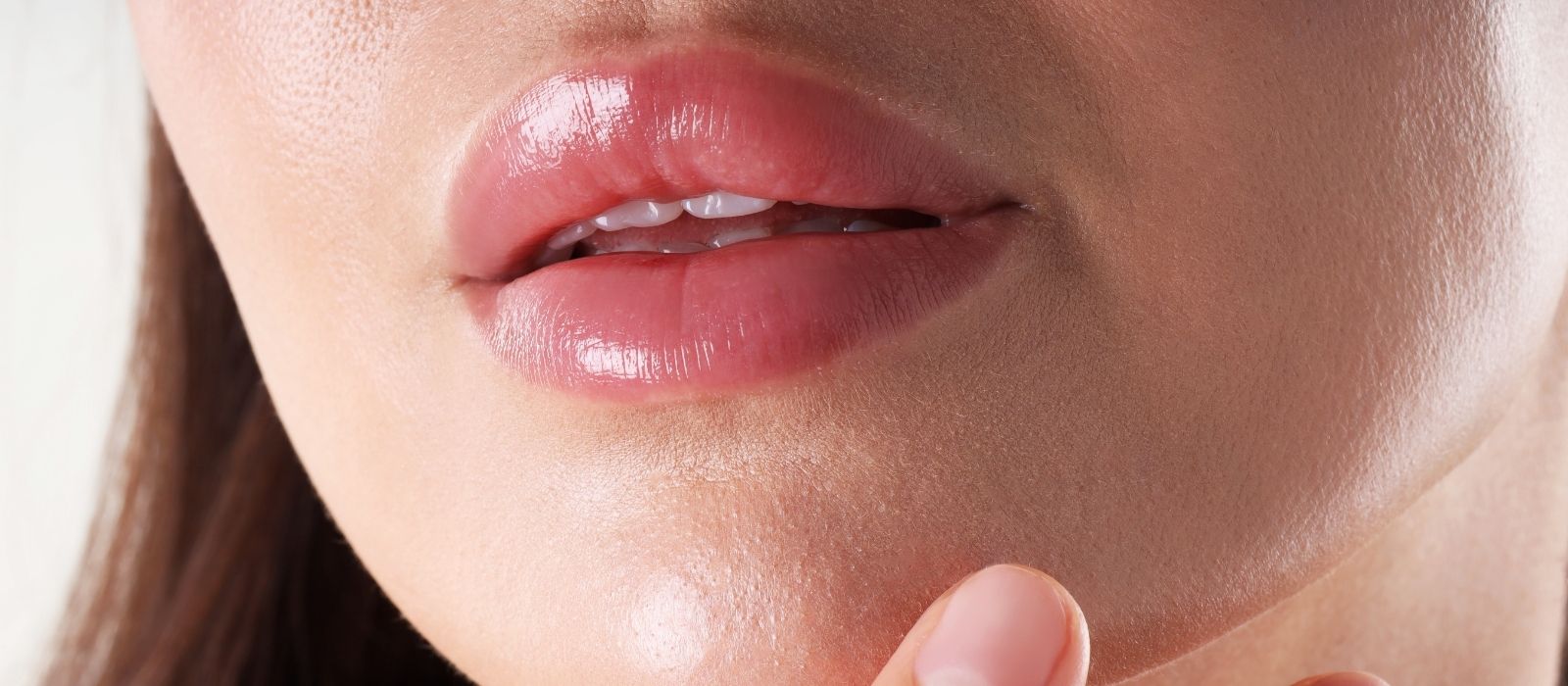
Dark lips can be caused by smoking, sun damage, medical conditions, or genetics. Learn the real causes of lip hyperpigmentation and which treatments actually work.
Your lips were pink when you were younger. Now they're darker, and no amount of lip balm seems to bring back that natural color. You've probably wondered if it's something you're doing wrong or if there's a way to reverse what's already happened.
Dark lips aren't just about aesthetics. They can signal underlying health issues, medication effects, or habits that are affecting more than just your lip color. The good news is that most dark lips causes and treatment options are straightforward once you know what you're dealing with.
The darkness comes from excess melanin production, just like hyperpigmentation anywhere else on your body. But lips are different from your regular skin. They're thinner, have fewer oil glands, and are constantly exposed to saliva, food, and environmental factors that can trigger or worsen discoloration.
What Actually Causes Dark Lips
Smoking tops the list. Nicotine and tar create a gradual darkening that starts subtle and becomes more pronounced over time. The heat from cigarettes also damages the delicate lip tissue, making discoloration worse. Even vaping can contribute to lip darkening, though the research is still catching up.
Sun damage accumulates over years. Your lips have minimal natural SPF protection, so UV exposure gradually increases melanin production. This is especially common if you spend time outdoors without lip protection with SPF.
Medical conditions can trigger lip hyperpigmentation. Addison's disease causes darkening around the mouth and lips due to hormone imbalances. Peutz-Jeghers syndrome creates dark spots on lips and inside the mouth. Hemochromatosis, where your body stores too much iron, can cause generalized skin and lip darkening.
Certain medications darken lips as a side effect. Antimalarials like chloroquine, chemotherapy drugs, and some antibiotics can increase pigmentation. Birth control pills and hormone replacement therapy sometimes trigger melasma that extends to the lip area.
Genetics play a significant role. If your parents or grandparents have naturally darker lips, you're more likely to develop them too. This is particularly common in people with darker skin tones, where lip pigmentation often deepens with age.
Frequent lip licking creates a cycle of irritation and hyperpigmentation. Saliva contains enzymes that break down the lip's protective barrier, leading to inflammation and eventual darkening. Aggressive scrubbing with rough exfoliants can have the same effect.
Treatment Options That Actually Work
Stop the cause first. If you smoke, quitting is the most effective treatment. Continued smoking will undo any lightening treatments you try. Switch to gentle, fragrance-free lip products if you suspect irritation from current products.
Prescription treatments work faster than over-the-counter options. Hydroquinone 2-4% can lighten dark lips when used consistently for 8-12 weeks. Tretinoin helps speed cell turnover and fade pigmentation, but start with a low concentration to avoid irritation. Some dermatologists prescribe combination treatments with hydroquinone, tretinoin, and a mild steroid.
Laser treatments target pigmentation directly. Q-switched lasers break up melanin deposits in 2-4 sessions spaced 4-6 weeks apart. This works best for localized dark spots rather than overall lip darkening. Chemical peels using glycolic or lactic acid can gradually lighten lips over several treatments.
Consistent lip care prevents further darkening. Use SPF 15+ lip balm daily, even indoors. Gentle exfoliation once weekly with a soft toothbrush helps remove dead skin and allows treatments to penetrate better.
Natural ingredients have limited but real effects. Kojic acid from rice bran inhibits melanin production when used consistently. Vitamin C serums can slowly fade pigmentation, but choose stable forms like magnesium ascorbyl phosphate. These work more slowly than prescription treatments but cause less irritation.
The key is consistency and patience. Most treatments take 8-16 weeks to show significant results. Stopping treatment usually means pigmentation returns gradually, especially if the underlying cause isn't addressed.
FAQ
Can dark lips go back to normal?
Yes, if the darkening is from smoking, sun damage, or irritation. Genetic or medical causes may lighten but rarely return to original color completely.
How long does it take to lighten dark lips?
Most treatments show results in 8-12 weeks with consistent use. Prescription treatments work faster than natural options or over-the-counter products.
Do home remedies for dark lips actually work?
Some do, but slowly. Kojic acid and vitamin C have research backing their lightening effects. Lemon juice and baking soda can irritate lips and make darkening worse.
This article is for informational purposes only. It is not a substitute for professional medical advice, diagnosis, or treatment. Always consult a qualified healthcare provider before making changes to your health routine.