Probiotics get all the attention — but without prebiotics to feed them, many don't survive. Here's the difference and which one you actually need.
You drop $40 on a probiotic supplement promising to fix your bloating, irregular digestion, and low energy. Two months later, nothing's changed. You blame the brand or assume your gut issues are just stubborn.
The real problem? You're feeding the probiotics nothing. Without prebiotics — the fiber that feeds beneficial bacteria — those expensive microorganisms die off before they can establish themselves. It's like planting seeds in concrete and wondering why nothing grows.
Here's the probiotics vs prebiotics difference that supplement companies don't emphasize: probiotics are the actual beneficial bacteria, while prebiotics are the specialized fibers that keep them alive and thriving. You need both, but most people focus entirely on probiotics while ignoring the food source that determines whether they'll survive.
What Probiotics Actually Do in Your Body
Probiotics are live microorganisms — mainly bacteria strains like Lactobacillus and Bifidobacterium — that provide health benefits when consumed in adequate amounts. They work by colonizing your digestive tract, crowding out harmful bacteria, and producing compounds that support immune function and nutrient absorption.
The catch? Your gut already contains trillions of bacteria. Adding more through supplements only helps if those new bacteria can compete successfully with established populations. Research from the Weizmann Institute of Science shows that probiotic bacteria struggle to colonize guts that already have established microbiomes — which includes most healthy adults.
Probiotics work best when your existing gut bacteria have been disrupted by antibiotics, illness, or chronic stress. In those cases, they can help restore balance faster than waiting for your natural microbiome to recover on its own.
Why Prebiotics Matter More Than You Think
Prebiotics are non-digestible fibers that selectively feed beneficial bacteria already living in your gut. Think of them as fertilizer for your existing microbiome. Unlike probiotics, which add new bacteria, prebiotics strengthen the populations you already have.
Your gut bacteria ferment these fibers into short-chain fatty acids like butyrate, which reduce inflammation, strengthen your intestinal lining, and support immune function. A study from the University of Colorado found that people who increased prebiotic intake saw improvements in gut bacteria diversity within two weeks — faster than most probiotic supplements show results.
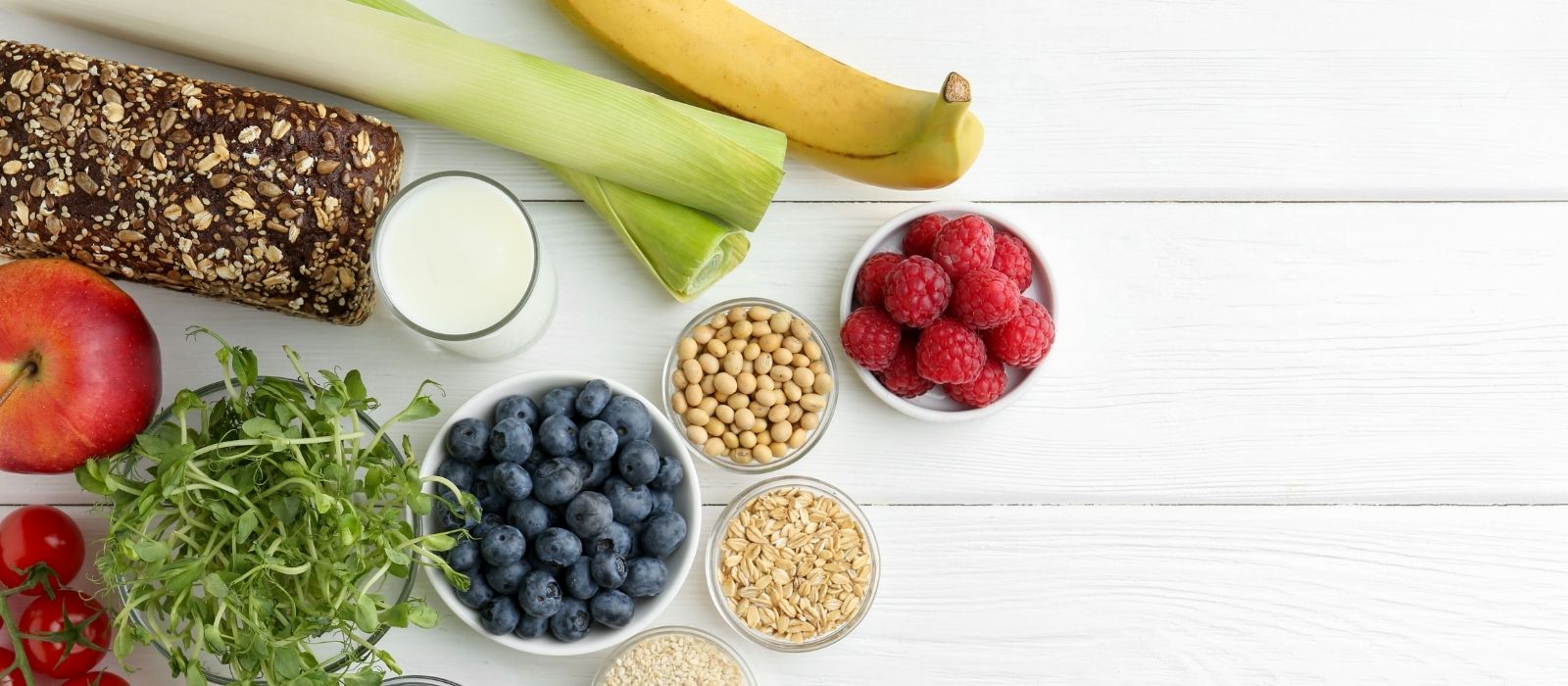
Prebiotic foods include garlic, onions, leeks, asparagus, bananas, oats, and Jerusalem artichokes. These foods contain inulin, fructooligosaccharides (FOS), and resistant starch — the specific fibers that beneficial bacteria prefer.
When Probiotic Supplements Actually Make Sense
Most people don't need probiotic supplements if they're eating enough prebiotic foods and haven't recently disrupted their gut bacteria. Your existing microbiome is usually more resilient and better adapted to your body than generic supplement strains.
Probiotic supplements become worth the cost in specific situations. After antibiotic treatment, they can help restore bacterial populations faster. During travel to areas with different food bacteria, they might prevent digestive upset. People with diagnosed conditions like irritable bowel syndrome sometimes see improvements with specific strains like Bifidobacterium infantis or Lactobacillus plantarum.
The key is choosing targeted strains for specific issues, not broad-spectrum supplements promising to fix everything. A 2019 review in the journal Gastroenterology found that single-strain probiotics often performed better than multi-strain formulas for specific conditions.
The Food-First Strategy That Actually Works
Building gut health through food costs less and works more predictably than supplements. Focus on variety over specific superfoods — different beneficial bacteria prefer different fiber types.
Start with one prebiotic food daily and increase gradually. Your gut bacteria need time to adjust to increased fiber without causing gas and bloating. Cooked onions and garlic are gentler starting points than raw versions. Oats provide beta-glucan fiber that feeds beneficial bacteria while being easy to digest.
Fermented foods like yogurt, kefir, sauerkraut, and kimchi provide both probiotics and the organic acids that create an environment where beneficial bacteria thrive. Unlike supplements, fermented foods come with cofactors and nutrients that support bacterial survival.
Most women need 25 grams of fiber daily, but the average intake is only 15 grams. Closing that gap with prebiotic-rich foods will do more for your gut health than any probiotic supplement.
The bottom line on probiotics vs prebiotics: feed your existing gut bacteria well before adding new ones. If you're eating enough prebiotic foods and still experiencing persistent digestive issues, then targeted probiotic strains might help. But for most people, the fiber comes first.
FAQ
Do I need to take probiotics and prebiotics together?
You don't need to take them simultaneously, but prebiotics help probiotics survive. If you're taking a probiotic supplement, eating prebiotic foods will improve its effectiveness. Many people see better results focusing on prebiotic foods alone.
Which prebiotic foods are easiest to digest?
Cooked onions, garlic, and asparagus are gentler than raw versions. Oats, bananas, and well-cooked beans provide prebiotic fiber without causing excess gas. Start with small amounts and increase gradually as your gut bacteria adapt.
How long before probiotics start working?
Most people notice changes within 2-4 weeks if the probiotics are going to help. If you see no improvement after 6-8 weeks of consistent use, the specific strains probably aren't right for your situation. Natural gut health approaches often show results in the same timeframe.