Your lips stay dry because you're treating the symptom, not the cause. Here's why lip balm isn't working and what actually fixes chronic dry lips for good.
You reapply lip balm every hour. Your nightstand holds three tubes. You've tried everything from drugstore sticks to $40 treatments, and your lips still feel like sandpaper by noon.
The balm usually isn't the problem. Lips don't have oil glands, their outer layer is thin, and they're constantly wetted and dried by saliva, so they lose water faster than the rest of your face.
They stay dry when you keep treating the symptom and leave the cause in place. That might be a habit, an ingredient in your balm, the air in your bedroom or, less often, something medical.
Your Lips Don't Have the Same Protection as Your Face
The rest of your face has oil glands that keep it supple. The red part of your lips doesn't, so it depends on what you put on it and what you avoid stripping off. That's why lips crack before your cheeks do when the air turns cold.
Lip skin is also thinner, with blood vessels close enough to the surface to give lips their colour. Wind, cold, sun and dry air all get through more easily.
A balm that only feels nice for an hour hasn't fixed anything. If the cause is still there, you're back where you started by lunchtime.
You're Probably Making Your Lips Drier Without Realizing It
Licking your lips feels like it helps, but it doesn't. As the American Academy of Dermatology puts it, your lips get drier as saliva evaporates, and the lick-dry cycle repeats all day.
Breathing through your mouth, especially at night, keeps air moving over your lips for hours. If you wake up with cracked lips, that's a likely cause, whether it comes from a blocked nose, habit or a sleep problem like sleep apnea.
The tingle in many balms comes from menthol, camphor or phenol, and the AAD lists all three, along with fragrance and flavourings such as mint, cinnamon and citrus, among ingredients to avoid while your lips are chapped. If a product burns or stings, it's irritating your lips.
When Dry Lips Come From the Inside
Dehydration is one of the causes of dry lips listed by the NHS, so drinking enough water matters. It won't make up for licking or mouth breathing, though.
Some medicines, including certain antihistamines, blood pressure tablets and antidepressants, can dry your mouth and lips. If your lips got worse after starting a new medicine, mention it to your doctor or pharmacist, and keep taking it unless they tell you otherwise.
The NHS also notes that a lack of some vitamins and minerals can sometimes cause sore, dry lips. That's more likely if you eat a very restricted diet or have an absorption problem, and your GP can check.
What Actually Fixes Chronic Dry Lips
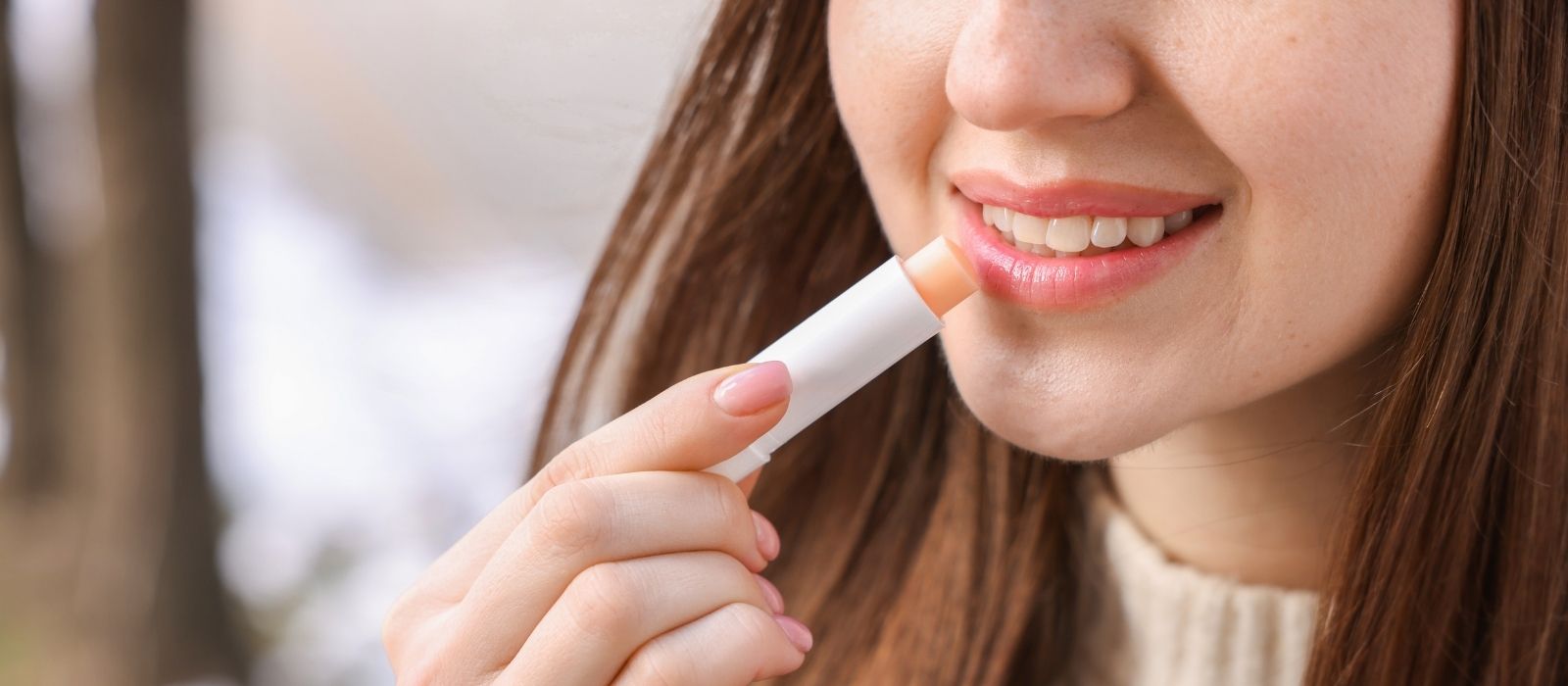
Start by repairing your skin barrier with plain, non-irritating products. For very dry or cracked lips, the AAD recommends a thick ointment like white petroleum jelly, because it seals in water longer than waxes or oils.
Tackle mouth breathing if it's part of the problem. A bedroom humidifier helps, and a blocked nose or snoring with daytime tiredness is worth raising with your GP, since your lips may be the least of it.
Stop the lick-and-reapply cycle. The AAD says most chapped lips heal within two to three weeks of good self-care, but most people give up after a few days.
Sun protection for your lips prevents more damage. Use a non-irritating lip balm with SPF every day you're outdoors, not just at the beach; the AAD suggests SPF 30 or higher.
Your diet and your skin are connected too, though food is rarely the main reason lips stay dry.
When Dry Lips Signal Something More Serious
Lips that keep cracking or itching can be an allergy to toothpaste, lipstick or food. In a multicentre study of 54 people whose lip eczema was suspected to come from toothpaste, flavourings (especially spearmint oil) were the most common allergens. Cracks at the corners of your mouth (angular cheilitis) can come from yeast infections or nutritional problems and may need medical treatment.
If your lips stay severely dry despite all of this, and your eyes and mouth are dry too, ask about Sjögren's syndrome, an autoimmune condition that's more common in women.
A rough, scaly patch that won't heal, especially on the lower lip, needs a dermatologist, because it can be actinic cheilitis, a precancerous sun-damage change. Lip discoloration combined with dryness can come from sun damage, hormonal changes or product irritation.
FAQ
Why do my lips get dry even when I drink lots of water?
Drinking water helps, but mouth breathing, lip licking and irritating products usually matter more for your lips than how much you drink.
Can you overuse lip balm and make your lips dependent?
Your lips don't become physically dependent on lip balm. But a balm with irritants like menthol, camphor or flavourings can keep them dry, so you end up reapplying all day without improvement.
How long does it take to fix chronically dry lips?
Most chapped lips heal within two to three weeks once you stop licking them and switch to plain, non-irritating products. If they haven't improved by then, see a dermatologist or GP.
This article is for informational purposes only. It is not a substitute for professional medical advice, diagnosis, or treatment. Always consult a qualified healthcare provider before making changes to your health routine.