Learn how stress damages your skin microbiome, causing acne, irritation, and premature aging. Plus proven ways to break the stress-skin cycle.
Your skin breaks out every time a big deadline hits. Your eczema flares during family visits. A rash turns up the week of a job interview, however consistent your routine is.
It isn't in your head. Stress changes your skin's barrier and chemistry, and those are the conditions your skin bacteria live in. How much stress changes the bacteria themselves in people is less clear, so it's worth separating what's known from what's guessed.
The good news is that the barrier effects are well studied, and protecting your barrier through a stressful stretch is something you can actually do.
How Stress Affects Your Skin Microbiome
Most of the direct evidence comes from animals. In a 2007 study in mice, psychological stress lowered two of the skin's antimicrobial peptides, the compounds that help keep harmful bacteria in check. Skin infections in the stressed mice were roughly twice as large and lasted longer, and blocking stress hormones restored the peptides.
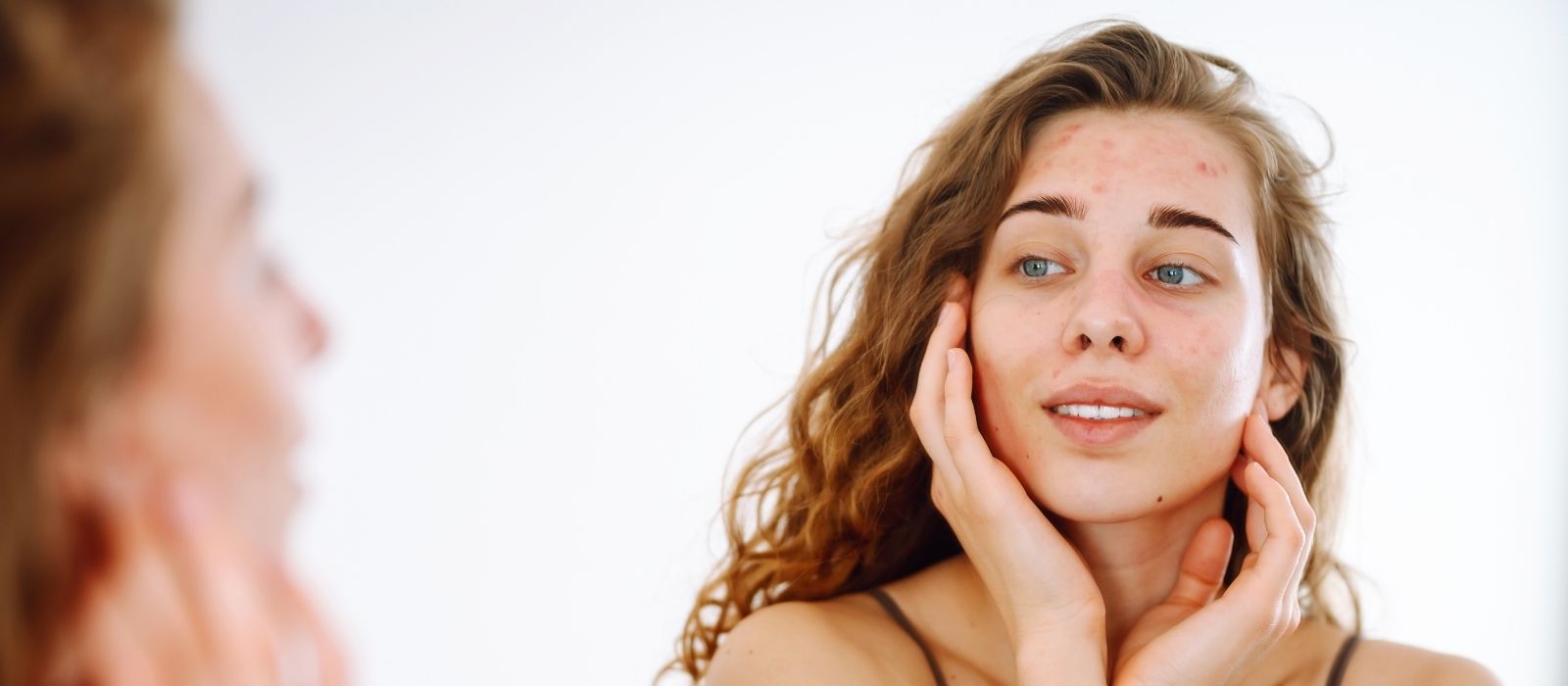
In people, stress is clearly linked to acne. A study of 22 university students found their acne got worse during exams, and the worsening tracked how stressed they felt. The American Academy of Dermatology puts this down partly to a rise in androgens, which is one reason stress causes breakouts even in people who rarely get them.
Whether stress changes which species live on human skin is still an open question, with little direct research in people.
Why Your Skin Barrier Falls Apart Under Stress
Your skin microbiome lives on your barrier, so anything that weakens the barrier changes its living conditions.
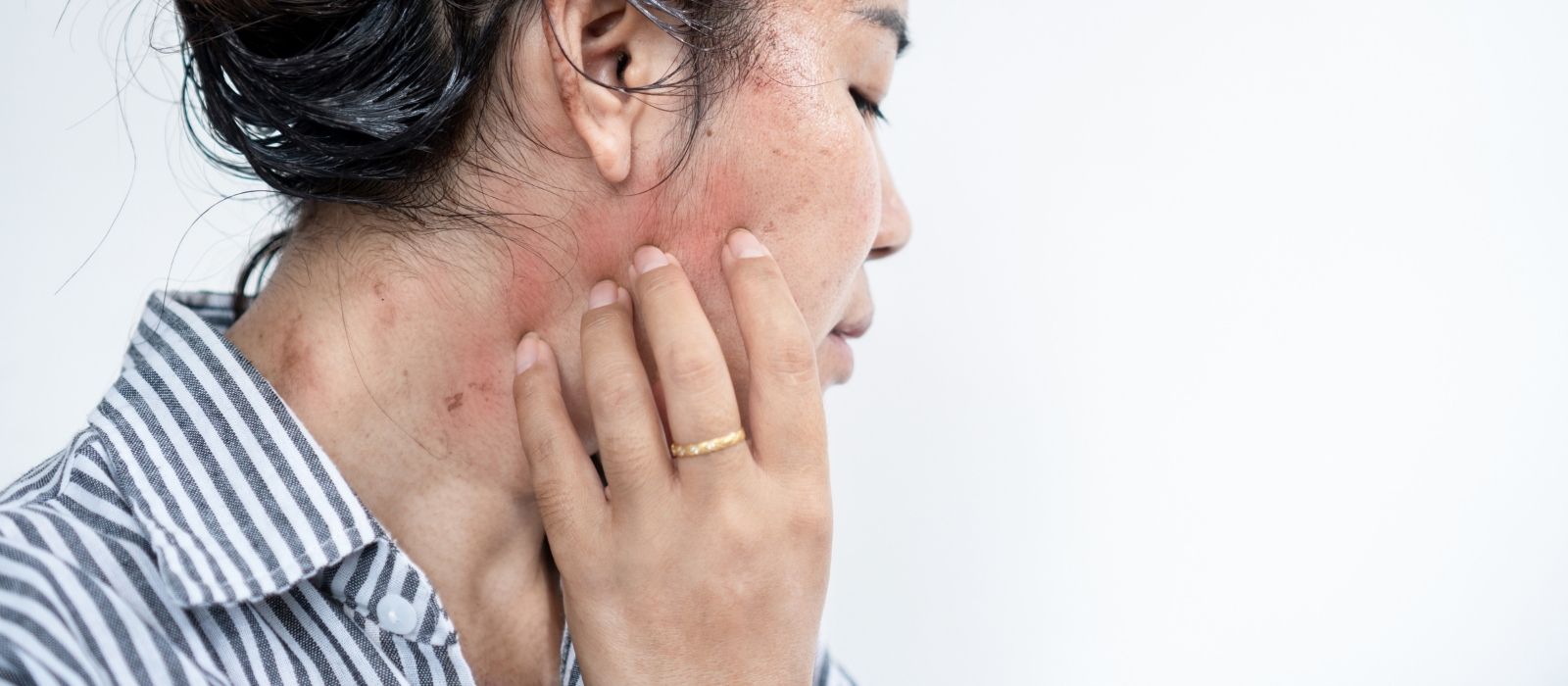
This part has solid support. A 2019 review of 21 studies in the British Journal of Dermatology concluded that psychological stress cuts the skin's production of barrier fats and proteins, leaving the outer layer drier and losing more water. A weaker barrier lets irritants in, which is why products sting more during a hard week.
It can turn into a loop. Itchy, irritated skin is stressful in itself, and stress makes the skin harder to settle.
How Long Skin Takes to Recover
There's no reliable week-by-week timeline for how skin bacteria recover after stress, because nobody has measured it well in people.
Go by your skin instead. Stinging and tightness tend to ease once the pressure lifts and you stop adding new triggers. Spots are slower: they form under the skin before you see them, so a flare can surface after the stressful stretch is over and take a while to clear.
How to Break the Stress-Skin Cycle
You can't remove stress from your life, but you can protect your skin while it's happening.
Breathwork is one way to bring your stress response down. A few minutes of slow breathing with longer exhales is easy to do at your desk. Whether it changes your skin directly hasn't been tested.
Keep your routine simple. Use a gentle cleanser that doesn't leave your skin tight, a plain moisturizer and sunscreen, and hold off on new actives until things calm down.
Prebiotic and probiotic skincare is optional. The trials so far are small and mostly in people with healthy skin, so don't count on it to stop a stress flare.
When to See a Dermatologist
See a dermatologist if your skin is still inflamed weeks after a stressful period ends, if breakouts are painful or leaving scars, or if eczema isn't settling with your usual care.
They can prescribe treatments that work on the inflammation directly, including creams and, for some acne or rosacea, antibiotics. Take these as prescribed rather than stopping early.
Tackle both sides at once. Repairing your skin barrier is harder while stress keeps flaring, and stress management alone won't clear active acne or eczema.
FAQ
How long does it take for skin to recover from stress?
It varies. Stinging and tightness from a stressed barrier often settle once things calm down and you keep your routine gentle, while breakouts that formed during the stressful stretch can take weeks to clear. There's no reliable timeline for the skin's bacteria.
Can stress permanently damage your skin microbiome?
There's no evidence that it does. The skin microbiome of healthy adults tends to be stable over time. Long-running stress can keep conditions like acne and eczema active, though, so it's worth dealing with both the stress and the skin.
Why does my skin break out weeks after being stressed?
Spots start forming under the skin before you can see them, so the timing rarely lines up neatly with the stressful event. Stress hormones can also push up oil production, and that effect can outlast the stress itself.
This article is for informational purposes only. It is not a substitute for professional medical advice, diagnosis, or treatment. Always consult a qualified healthcare provider before making changes to your health routine.