Your skin changes dramatically in your 30s and 40s. Here's what happens to collagen, hormones, and cell turnover, and why your old skincare routine stops working.
One morning there's a line beside your eye that wasn't there last week. Your foundation sits differently. The products that worked in your twenties suddenly feel wrong: too light, too heavy, or just not doing anything.
You're not imagining it. Skin changes through your thirties and forties, slowly at first and then, it seems, all at once. Knowing what's happening underneath explains why your routine needs updating and why fine lines seem to appear overnight.
The main changes are in collagen, how fast skin renews itself, and hormones. Between them they decide how plump your skin looks and how quickly it heals after a breakout. They don't change at the same pace, which is why some areas age faster than others.
Collagen Declines Slowly, Then Faster
Collagen gives skin its structure and bounce. When you press your cheek and it springs straight back, that's collagen at work. Production falls gradually through adulthood, so skin gets thinner and less elastic.
Fine lines form where your face creases most: around your eyes when you smile, across your forehead when you raise your eyebrows.
The decline speeds up around menopause. Estrogen helps keep collagen up, and the American Academy of Dermatology says women lose about 30% of their skin's collagen in the first five years of menopause. This is why skin changes during perimenopause can feel so sudden.
Cell Turnover Slows Down
In your twenties, skin sheds dead cells and replaces them fairly quickly. That process slows as you get older.
Slower turnover means dead cells sit on the surface longer, and your complexion looks duller. Breakouts take longer to heal, and acne scars become more persistent.
Marks hang around longer too. Sun spots and dark marks from breakouts take more time to fade, which is part of why uneven tone often shows up in your thirties.
Hormone Shifts Change How Your Skin Behaves
Hormones start shifting in your thirties, often years before perimenopause is obvious. Estrogen swings more, progesterone falls, and the balance can tip toward androgens.
That can mean adult acne where you never used to break out: along the jawline, on the chin, sometimes on the chest and back. The AAD says women get adult acne more often than men and links it to hormone shifts around periods, pregnancy, perimenopause and starting or stopping the pill. Hormonal acne patterns tend to be deeper and more tied to your cycle than teenage acne.
Estrogen also affects oil and skin thickness. As it drops, some women find their skin getting drier, while others get oilier.
Your Skin Barrier Weakens
The lipid layer that keeps moisture in and irritants out weakens with age. Skin holds water less well, so you get that tight feeling even with the moisturizer that used to be enough.
A weaker barrier also means more sensitivity, and products you used for years can start to sting. That's when repairing your skin barrier becomes a priority.
How to Update Your Skincare Routine
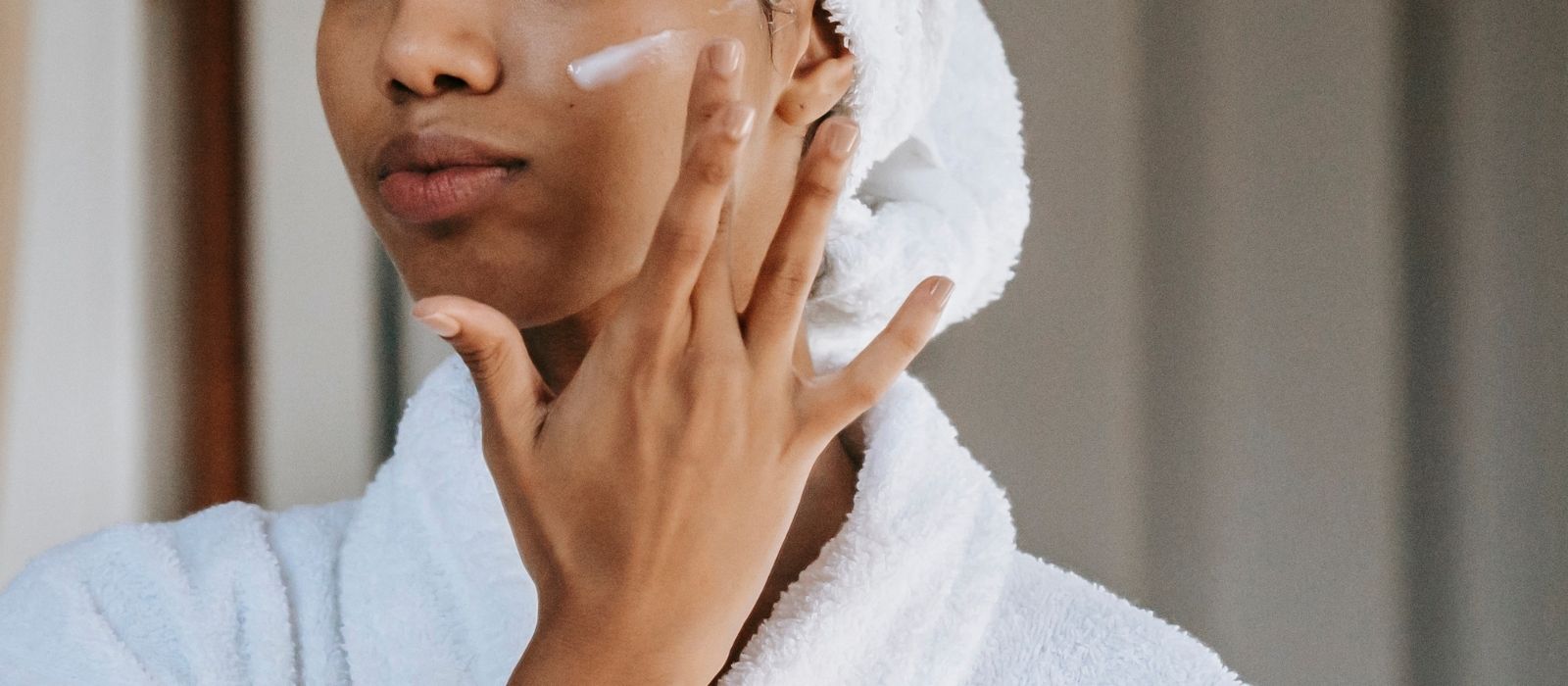
Your twenties routine probably won't be enough. A light moisturizer may not cut it anymore. Add something that supports collagen: retinoids are the best studied, and a review of retinoid trials found clear improvements in sun-aged skin, with vitamin C and peptides as gentler extras. Gentle exfoliation helps with slower turnover.
Your skin can still improve a lot. Strengthen your barrier, keep renewal ticking over and protect against more damage, rather than trying to undo everything at once.
Frequently Asked Questions
At what age does skin start aging fastest?
Many people notice changes most in their late thirties and early forties, when years of gradual collagen loss start to show. The biggest drop comes with menopause, usually between 45 and 55: women lose about 30% of their skin's collagen in the first five years.
Why does my skin suddenly look older?
Skin doesn't age at a pace you can watch. Collagen loss builds up quietly until it shows, and hormone shifts can change oil, thickness and healing speed fairly quickly, so several signs can seem to arrive at once.
Can you reverse skin aging in your 40s?
Not completely, but you can improve how your skin looks and behaves. Retinoids, vitamin C and professional treatments like chemical peels can smooth texture and even out tone. Aim to support your skin rather than turn back the clock.
This article is for informational purposes only. It is not a substitute for professional medical advice, diagnosis, or treatment. Always consult a qualified healthcare provider before making changes to your health routine.