Learn what hair oiling actually does for your scalp and strands, plus how to do it right for your hair type without making common mistakes.
Your grandmother swears by it. Half your feed posts about it weekly. But when you tried oiling your hair last month, it took three washes to get it clean again.
Hair oiling does work, just not the way most people expect. It doesn't make hair grow faster. It protects the hair you already have, so less of it snaps off before you see the length. The trick is matching the oil and the amount to your hair, because whatever your hair can't take up just sits on top looking greasy.
What Hair Oiling Actually Does to Your Strands
Oils work in two ways, and the lab evidence separates them fairly clearly. Coconut oil can get inside the hair shaft: in a 2003 lab study on hair tresses, it was the only one of three oils that reduced protein loss from both damaged and undamaged hair. Sunflower and mineral oil didn't. That was cut hair tested in a lab, not a trial on people, but it explains why coconut oil keeps coming up.
Oils that don't soak in still do something. A 2015 review of hair cosmetics describes them forming a film that adds shine and cuts friction, and cites lab work where oiled hair needed less force to comb when wet and formed fewer split ends. Less friction when you sleep, brush or style means less breakage. Your hair grows at the same rate; you just keep more of it.
The same review explains that oils which get into the hair reduce how much water it absorbs, so it swells less every time it gets wet. That repeated swelling and drying wears hair down. It matters most if you have high porosity hair, which takes in water fast and loses it just as fast.
The Mistake Most People Make
Most people use too much. Once your hair has taken up what it can, the rest sits on your scalp and strands, looking greasy and collecting dirt.
Start with about a teaspoon for shoulder-length hair. You can always add more, but you can't take it back without washing. Put it on your mid-lengths and ends first, since they're the oldest and most worn part of your hair.
Scalp oiling is a separate thing. If your scalp is healthy, it doesn't need oil, and adding it can lead to buildup. Oil your scalp only if it's genuinely dry and tight, not in the hope of growing more hair.
How to Oil Your Hair the Right Way
Pick the oil to suit your hair. Low porosity hair tends to leave oil sitting on top, so go for a light one like argan or jojoba and use it sparingly. High porosity hair takes heavier oils like coconut or olive more easily.
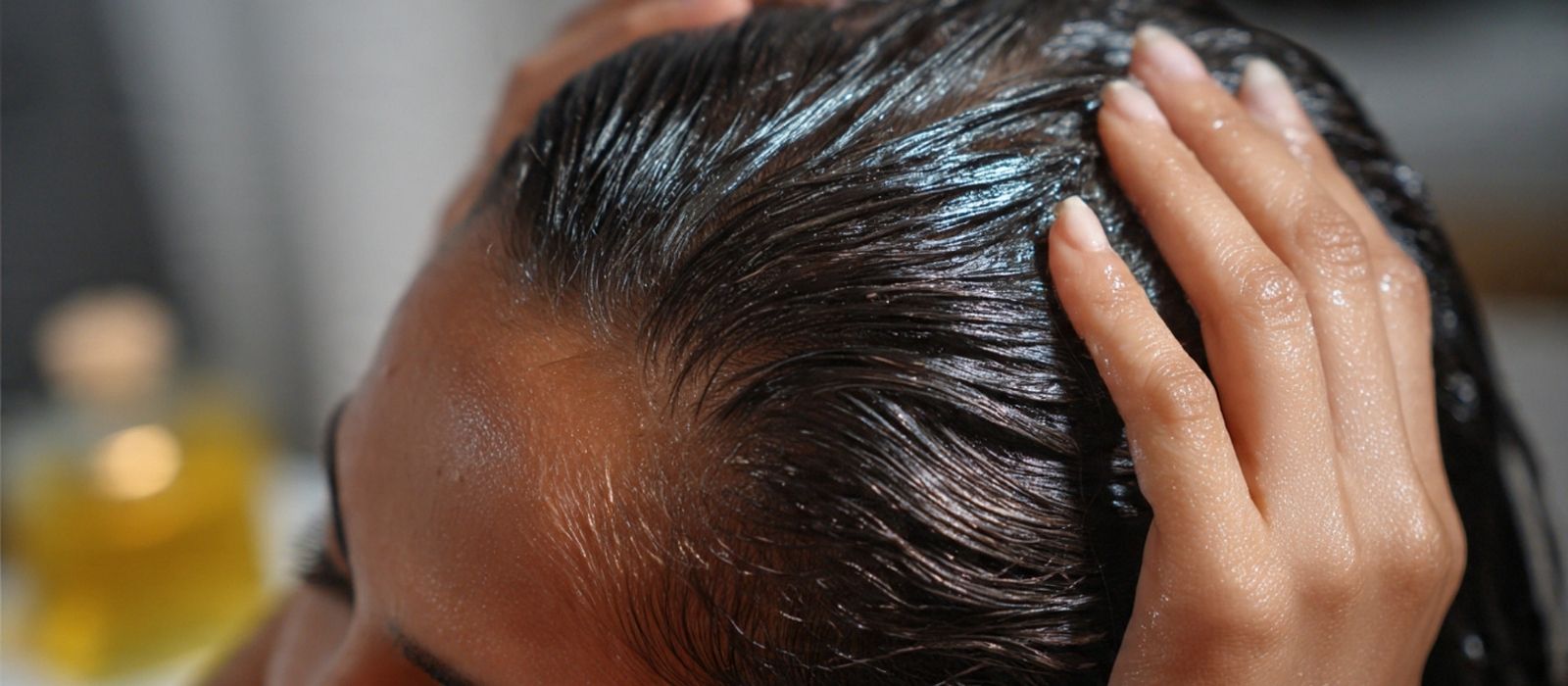
Apply it to damp hair, not soaking wet or bone dry, and work it through with your fingers or a wide-tooth comb, concentrating on the driest areas.
For most hair, 30 minutes to two hours is plenty. Overnight treatments can suit very dry, coarse or chemically treated hair, but most people don't need them, and the longer the oil stays on, the more likely you are to get scalp buildup.
Wash it out with a clarifying shampoo, or your regular shampoo applied twice. Rinsing with water alone leaves a residue that makes hair look dull and feel heavy.
When Hair Oiling Won't Help
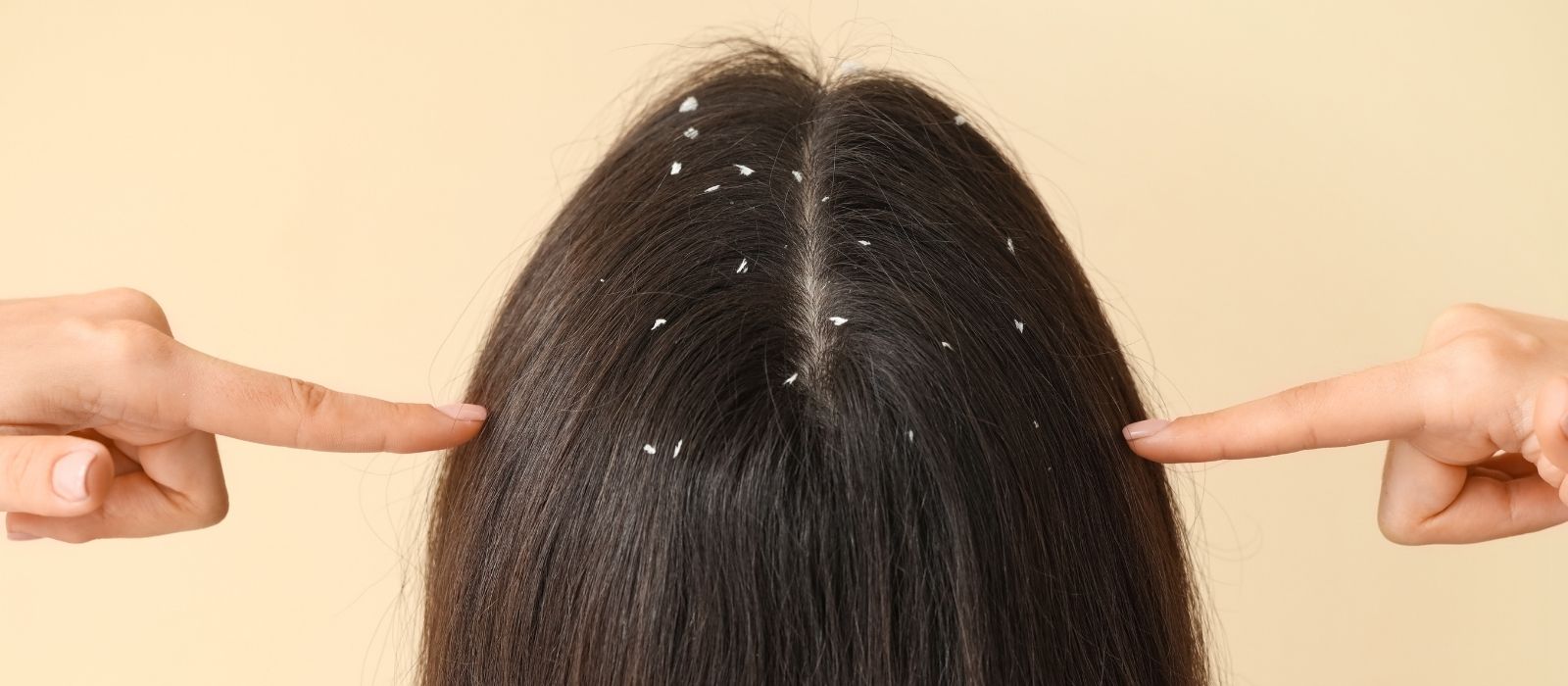
Oil can protect hair from breaking, but it can't undo chemical or heat damage that's already done, and it does nothing for stress-related hair loss. It won't treat dandruff or seborrheic dermatitis either. For those, the American Academy of Dermatology recommends medicated shampoos with ingredients like zinc pyrithione, salicylic acid, selenium sulfide or ketoconazole, and a dermatologist if they don't help.
If your hair feels dry after washing but greasy as soon as you add oil, the cause may be product buildup or damaged cuticles. The right oiling method depends on working out which it is first.
FAQ
Does Oiling Hair Make It Grow Faster
No. How fast your hair grows is set at the follicle by genetics, hormones and your overall health. Oil helps prevent breakage so you keep more length, but it doesn't change your growth rate.
How Often Should You Oil Your Hair
Once or twice a week suits most hair. Dry, coarse or chemically treated hair may do well with twice a week, and fine or oily hair with once a week or less. Oiling more often than that mostly gets you buildup.
What Happens If You Leave Oil in Your Hair Too Long
Oil left in for days collects dirt, builds up on your scalp and leaves your hair looking greasy and feeling heavy. It doesn't add anything after the first few hours, and it gets harder to wash out.
This article is for informational purposes only. It is not a substitute for professional medical advice, diagnosis, or treatment. Always consult a qualified healthcare provider before making changes to your health routine.