Stress hair loss (telogen effluvium) causes sudden shedding 2-3 months after stressful events. Learn why it happens, when hair grows back, and what actually helps recovery.
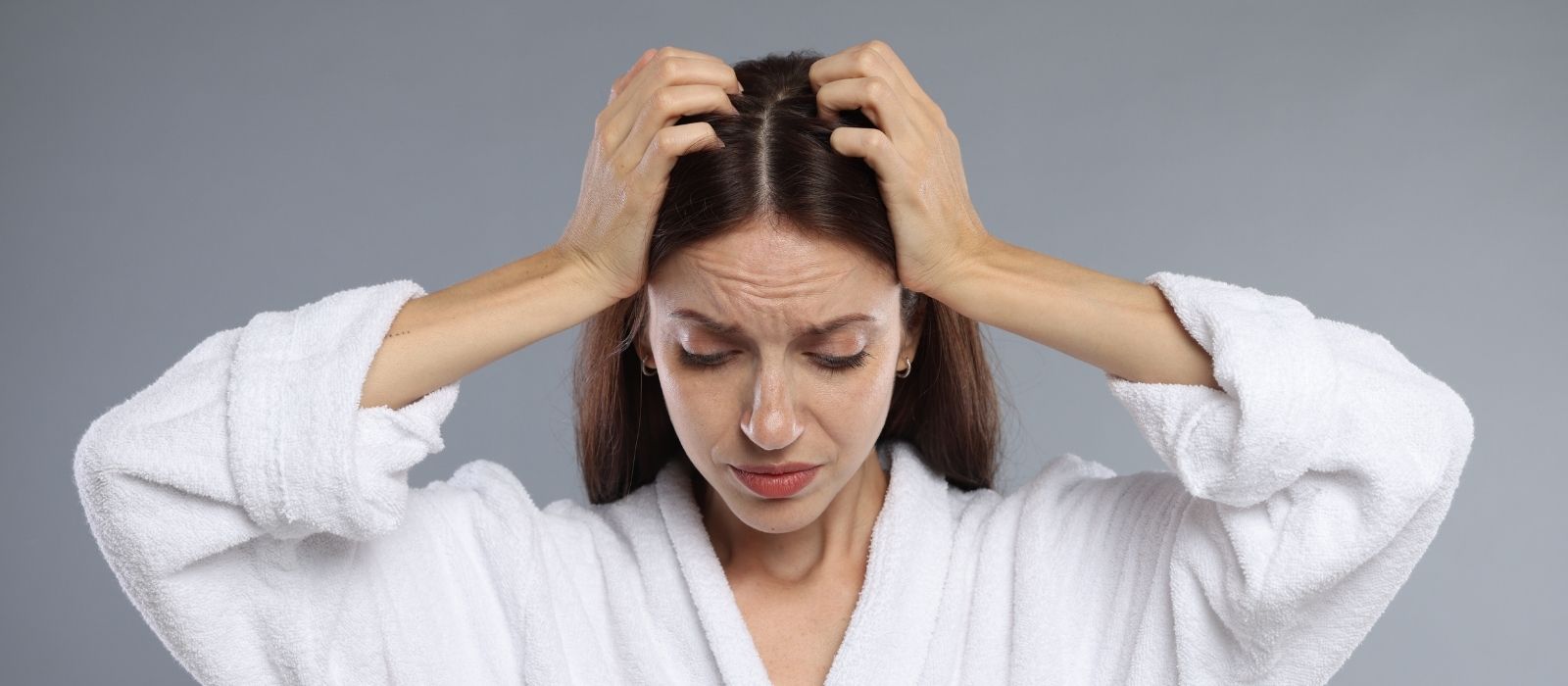
You notice more hair than usual in your brush. Then on your pillow. Then in the shower drain. It seems random until you count back about three months: that's when work got brutal, or a relationship ended, or you were properly ill.
The delay is what throws people. You expect stress to show up straight away, not once life has calmed down. But hair follicles run on their own schedule, and what you're seeing now is a response to something that happened months ago.
This kind of stress hair loss is called telogen effluvium. A shock to the body pushes a large batch of growing hairs into their resting phase at once, and they fall out together a few months later. The shedding comes from the whole scalp, and in most people it stops on its own and the hair grows back.
What Actually Happens During Stress-Related Hair Loss
Each hair goes through a growth phase (anagen), a short transition (catagen) and a resting phase (telogen) before it falls out. On a healthy scalp, about 85% of hairs are growing and about 15% are resting, according to the StatPearls clinical review. A big physical or emotional stress shifts more hairs into the resting phase than usual. Stress hormones like cortisol may be part of how that happens.
Resting hairs stay in the follicle for a while before they drop. That's why the shedding usually starts about three months after the trigger, although it can be anywhere from one to six months.
Telogen effluvium affects the whole scalp. You won't usually get bald patches or the widening part of female pattern hair loss. Your hair just feels thinner all over.
Normal shedding is 50 to 100 hairs a day. Doctors take 100 or more hairs collected over 24 hours as a sign of telogen effluvium. The follicles themselves aren't damaged. They're resting, and they go back to growing.
Common Triggers That Cause Delayed Hair Shedding
Physical stress is a common cause: surgery, a high fever, a severe illness or infection, a crash diet. The American Academy of Dermatology's list of triggers also includes giving birth, losing 20 pounds or more, and stopping birth control pills.
Emotional stress can do it too, but it usually takes something big. The AAD's examples are caring for a sick loved one, going through a divorce and losing a job. A bad day won't do it. Months of grief or burnout can.
Hormonal changes and stress often arrive together. Postpartum shedding, an underactive thyroid and coming off the pill are all triggers in their own right, and they tend to land during stressful periods anyway. So it isn't always obvious which one started it.
When Your Hair Actually Grows Back
Once the trigger has passed, the heavy shedding usually eases off. Acute telogen effluvium typically lasts less than six months, and the AAD says hair tends to regain its normal fullness within six to nine months.
Recovery isn't always a straight line. A new illness or another rough stretch can set off a second wave. If you're not sure whether you're still shedding or back to normal, this guide to shedding versus hair loss can help.
Shedding that goes on past six months is worth getting checked. In women, telogen effluvium often unmasks female pattern hair loss that was already developing, and that needs different treatment.
What Actually Helps Hair Recovery
Dealing with the cause matters more than anything you put on your scalp. Once the trigger is addressed, acute telogen effluvium usually needs no other treatment. If the stress is still going on, the basics count: sleep, movement and whatever genuinely brings your stress down. You can't make hair grow faster, but you can stop adding new triggers.
Be gentle with new growth. Looking after your scalp means mild cleansing and skipping tight styles, because fine new hairs break easily.
Nutrition helps only if something is actually low. Correcting a deficiency in iron, zinc or vitamin D can let hair regrow, but extra supplements won't speed things up if your levels are normal. Eat enough overall, including protein, and get a blood test before taking iron, because too much iron is harmful.
Frequently Asked Questions
How long does stress hair loss last?
The heavy shedding usually lasts less than six months once the trigger has passed. Regrowth follows, and most people find their hair is back to its normal fullness within six to nine months. If shedding goes on for longer than six months, see a doctor.
Can stress cause permanent hair loss?
Telogen effluvium itself is temporary, because the follicles aren't damaged. But it can reveal female pattern hair loss that was already starting, and that doesn't go away on its own. If your hair doesn't recover, or your part is widening, see a dermatologist.
How much hair loss is normal with stress?
Normal shedding is 50 to 100 hairs a day. Collecting 100 or more hairs in a day can point to telogen effluvium. If you have bald patches or are losing hair in handfuls, see a dermatologist to rule out other conditions such as alopecia areata.
This article is for informational purposes only. It is not a substitute for professional medical advice, diagnosis, or treatment. Always consult a qualified healthcare provider before making changes to your health routine.