Learn the crucial differences between normal hair shedding and actual hair loss. Discover when to worry and what signs mean you need professional help.
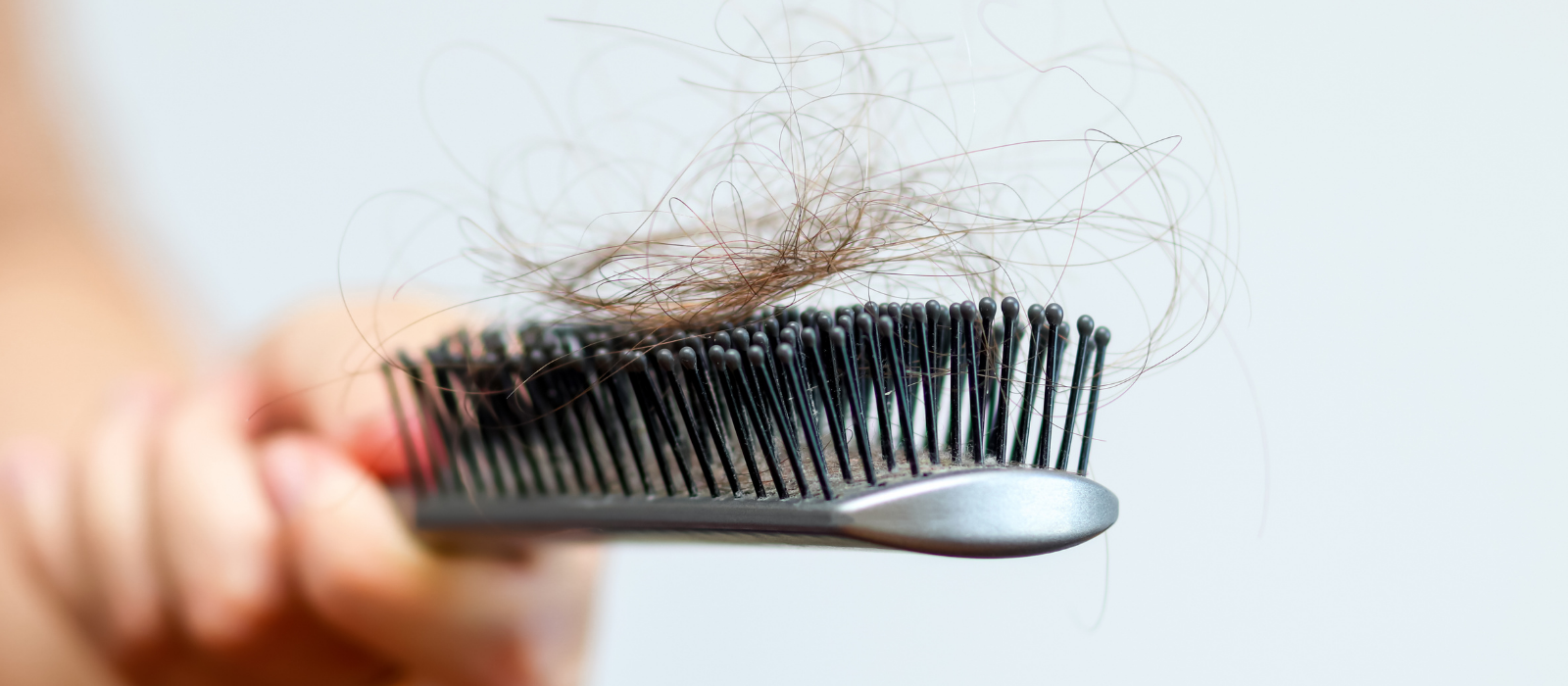
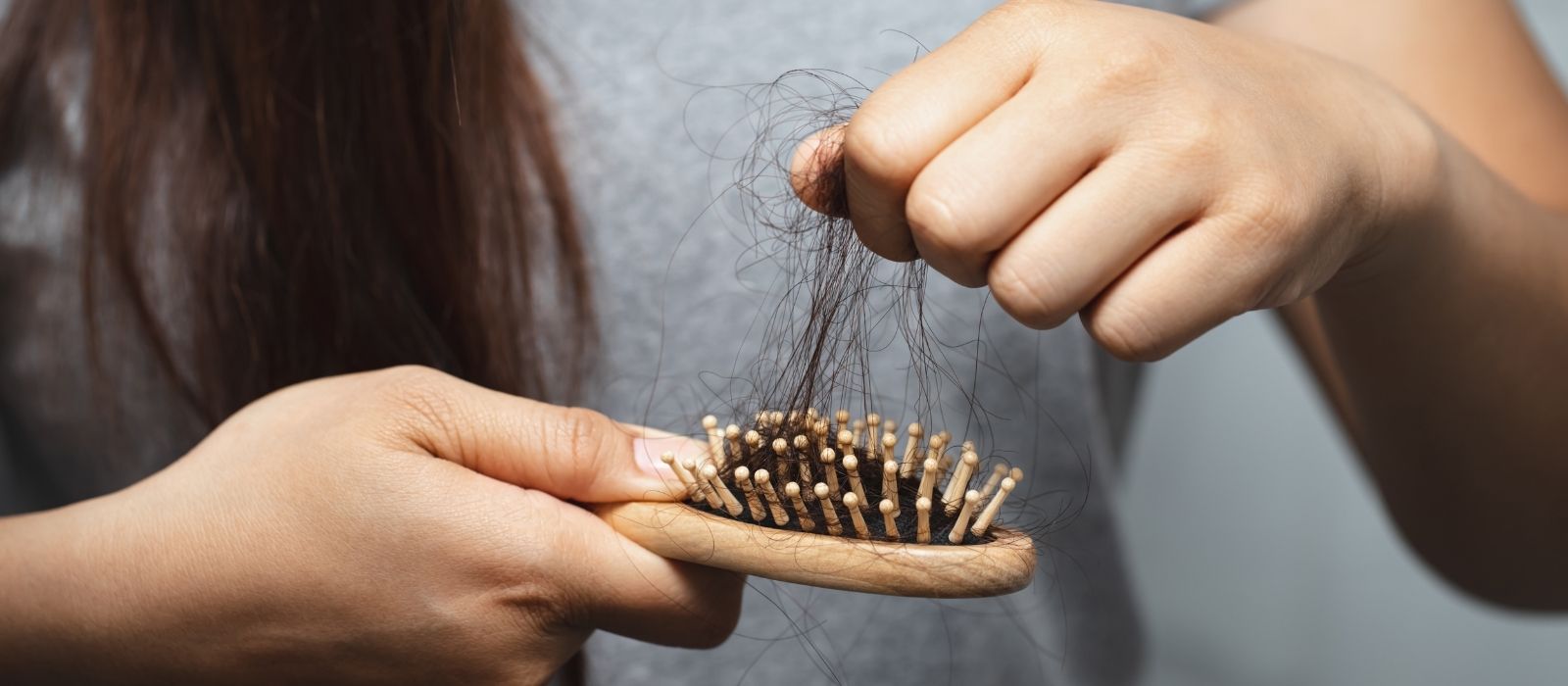
You run your fingers through your hair and come away with strands wrapped around them. There's hair on your pillowcase, in the shower drain, stuck to your sweater. Before you panic, take a closer look at what you're actually losing.
Most of it is probably normal shedding. The American Academy of Dermatology puts normal shedding at 50 to 100 hairs a day. Spread across your whole head, you'd barely notice it. Most of us only start counting when something changes.
Hair loss is a different problem. Shedding is old hairs falling out on schedule while new ones grow in behind them. Hair loss is when something stops the hair from growing, and it won't grow back until the cause stops. Your job is to work out which one you're looking at.
Normal Hair Shedding vs. Hair Loss
A hair that has finished its growth cycle falls out with a small white bulb at the root. Doctors use that bulb to identify a resting hair, according to the NIH-hosted StatPearls review of telogen effluvium. The strand looks healthy, and the shedding comes from all over your scalp.
Hair loss looks different. You might find short, thin or snapped pieces instead of full-length strands with bulbs. Over time you'll see changes too: a wider part, a thinner ponytail, or thinning along your edges.
Then there's telogen effluvium, a temporary surge in shedding set off by stress, illness or a big change in your body. It pushes a lot of hairs into the resting phase at once, and the shedding usually starts about three months after the trigger. It settles once the trigger has passed.
Physical Signs That Point to Hair Loss
Check your part. If it's noticeably wider than it was six months ago, take that seriously. Ordinary shedding doesn't change your part, because new hairs keep growing in to replace the ones you lose.
Look at the hairs you're losing. Full-length strands with a white bulb are shed hairs. Short pieces with no bulb have usually snapped, which points to breakage from styling, heat or chemicals rather than a problem at the root.
Notice where it's happening. Shedding comes from everywhere, but hair loss tends to follow a pattern. In female pattern hair loss, hair thins over the top and crown while the front hairline usually stays in place, so the part looks wider. Thinning concentrated at the hairline and edges points more toward pulling from tight styles.
Your scalp counts too. Flaking, itching, redness or sudden oiliness alongside hair fall is worth showing to a doctor. Scalp problems and hair loss often turn up together, and the scalp condition usually needs treating in its own right.
When Shedding Becomes a Problem
Some extra shedding is expected after certain events. The AAD lists giving birth, a high fever, surgery, losing 20 pounds or more, major stress and stopping birth control pills as common triggers. None of these means your hair is going for good.
Other causes need sorting out rather than waiting out. Long-running stress can keep shedding going. Low iron is a known trigger, which is why doctors often check iron levels in women who are shedding heavily (this guide explains how to tell hormonal from nutritional hair loss). Tight styles, chemical treatments and heat can cause breakage that looks like loss.
For a rough check at home, run your fingers through clean, dry hair a few times and look at what comes away. Doctors do a version of this called the pull test: during heavy shedding, a gentle tug on a small bunch of hair brings out four or more hairs.
Keep notes for two weeks: when you see the most hair, and any change in texture or thickness. Write down anything that happened about three months earlier, too, like an illness, a birth or a crash diet. That timeline is often the most useful thing you can bring to your GP, who the NHS suggests seeing if you're worried about hair loss.
FAQ
How much hair loss per day is normal for women?
Losing 50 to 100 hairs a day is normal. It can rise for a few months after a trigger such as giving birth, an illness or a stressful period, then settles once the trigger has passed.
Can stress cause immediate hair loss or does it take time?
It takes time. Stress-related shedding usually starts about three months after the stressful event. The stress pushes growing hairs into a resting phase, and they only fall out when that phase ends.
When should I see a doctor about hair thinning?
See a doctor if heavy shedding lasts more than six months, if you can see more scalp than before, if your part is widening, or if hair is coming out in patches. Go sooner if the hair loss comes with tiredness, weight changes or heavy periods.
This article is for informational purposes only. It is not a substitute for professional medical advice, diagnosis, or treatment. Always consult a qualified healthcare provider before making changes to your health routine.