Your body skin is fundamentally different from facial skin. Learn why you need a separate body skin care routine guide for better results.
You spend fifteen minutes on your face every morning and night. Serum, moisturizer, SPF, the works. Then you hit your body with whatever lotion is closest to the shower and call it done.
That works until it doesn't. Your legs look ashy despite daily lotion. Your back breaks out however clean you keep it.
The dark patches on your elbows won't budge. Body skin isn't a bigger version of your face; it behaves differently and needs different care.
Most of your body has far fewer oil glands than your face, so it dries out more easily. It also deals with friction from clothes, sun on your arms and legs, and areas that rarely see anything beyond soap.
Your Body Makes Less Oil Than Your Face
Oil glands are packed most densely on the face, scalp, chest and upper back, and they're sparse on the arms and legs. That's why your T-zone gets shiny by noon while your shins stay dry all day. It decides how dry each area gets and which products suit it.
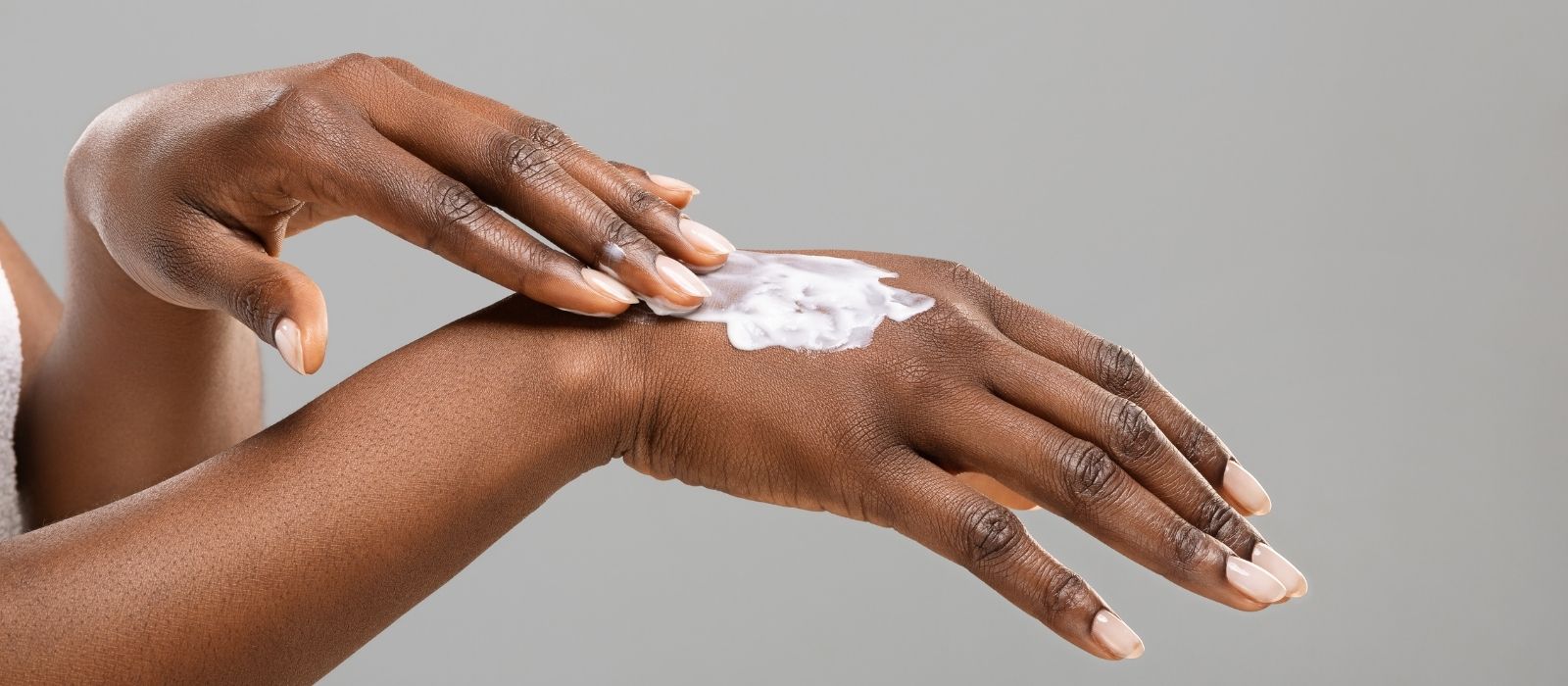
Face moisturizers are usually light, made for skin that produces some oil of its own. Arms and legs need more help, and dermatologists say creams and ointments hold in more moisture than lotions. Petrolatum, dimethicone, glycerin and shea butter are worth looking for.
The skin on your back is also thicker than facial skin, which changes how some treatments behave. The American Academy of Dermatology notes that a benzoyl peroxide wash works best on the back if left on for 2 to 5 minutes before rinsing, which is useful when treating body acne.
Different Areas Need Different Approaches
Your chest and back have more oil glands than your arms and legs, and they spend most of the day under clothes, warm and often sweaty. That's one reason body acne behaves differently from facial acne. Sweat and rubbing from bag straps or tight clothes can make it flare.
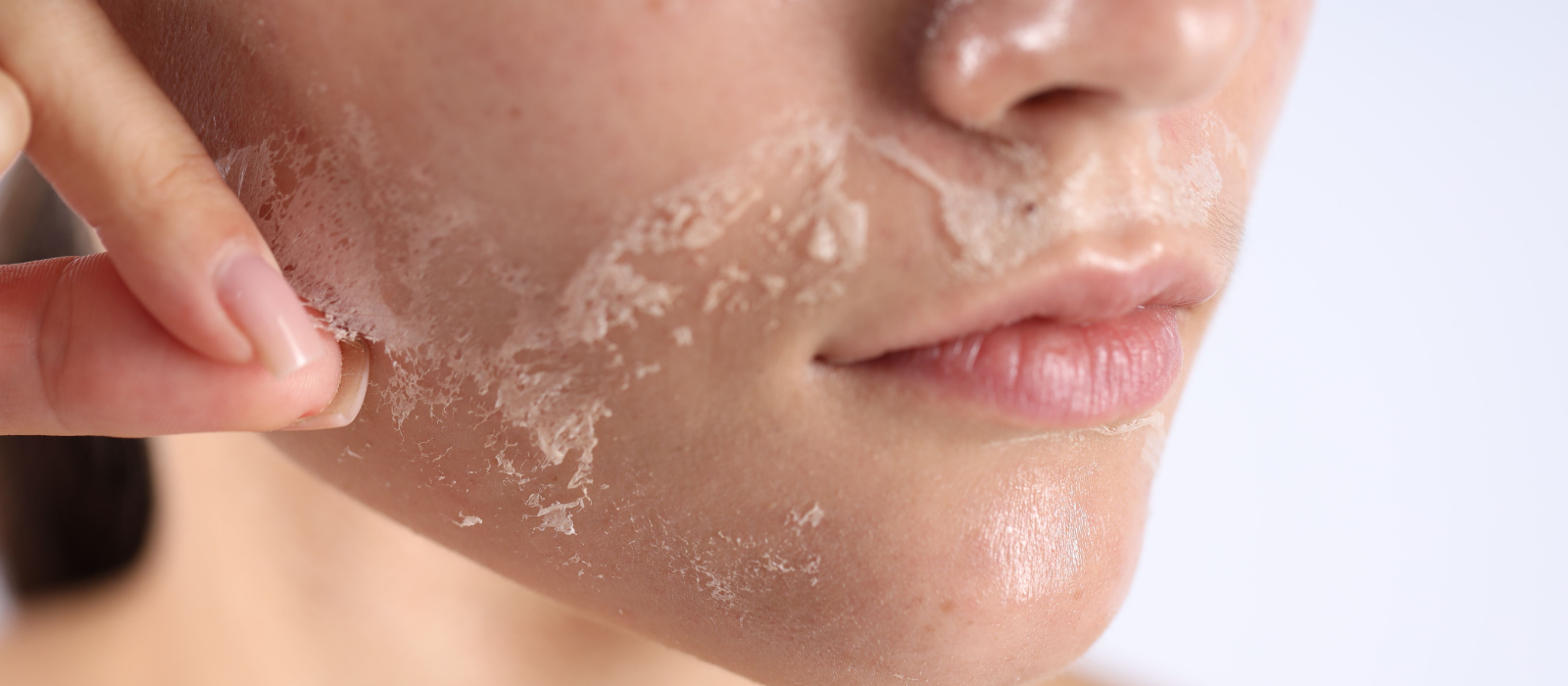
The skin on your neck, chest and the backs of your hands is thinner and gets a lot of sun, so it often shows sun damage early. These areas need gentle exfoliation and consistent sunscreen. A retinol that suits your face might sting on your chest, so introduce it slowly.
Then there are high-friction areas like knees, elbows and heels, where constant rubbing builds thick, sometimes darker skin. These spots need regular exfoliation and ingredients that soften built-up dead skin. A light face product won't do much there.
What Actually Works for Body Skin Care
Start with a gentle cleanser that won't strip your skin. Antibacterial soaps are usually too harsh for daily use unless a doctor suggests one. Dermatologists also recommend fragrance-free products and short, warm showers rather than long hot ones.
Exfoliate 2 or 3 times a week, matched to the area. Salicylic or glycolic acid suits areas prone to breakouts or keratosis pilaris. A gentle scrub or brush can work on thick skin over elbows and knees.
Choose your moisturizer by area: a lighter lotion for the chest and back, a richer cream for arms and legs. Put it on while your skin is still damp from the shower.
Target problem areas separately. Back and chest acne often responds to a benzoyl peroxide wash; the AAD says a 5.3% product is less likely to irritate, and 10% is the strongest you can buy without a prescription. Dark knees and elbows respond to urea or lactic acid combined with regular exfoliation.
Sunscreen matters on your body too. Most adults need about 1 ounce, roughly a shot glass, to cover exposed skin, with SPF 30 or higher, reapplied every 2 hours outdoors. Face sunscreen is too expensive to use in those amounts, so buy a separate body one.
The Biggest Body Skincare Mistakes
Using face products all over your body costs a lot and rarely beats a good body cream made for drier skin.
Treating all body skin the same ignores the differences between areas. Your back may need acne treatment while your legs need heavy moisture.
Switching products too soon is the other big one. The AAD says back acne treatment can take 6 to 8 weeks to show results and 3 or 4 months to clear, so a product that seems to do nothing after two weeks may just need longer.
FAQ
Can I use my face moisturizer on my body?
You can, but it's an expensive way to cover a large area, and face moisturizers are often too light for dry arms and legs. A body cream with occlusive ingredients like petrolatum or dimethicone usually does more.
Why does my body skin look worse in winter?
Cold air and indoor heating dry out skin, and your arms and legs already have few oil glands. Winter conditions call for a richer cream and more frequent application.
How long does it take to see results from a new body skincare routine?
It depends on the problem. Dry, rough skin often feels better soon after you start moisturizing daily, while back acne treatment can take 6 to 8 weeks to show results. Keratosis pilaris and dark patches are slower and need ongoing care.
This article is for informational purposes only. It is not a substitute for professional medical advice, diagnosis, or treatment. Always consult a qualified healthcare provider before making changes to your health routine.