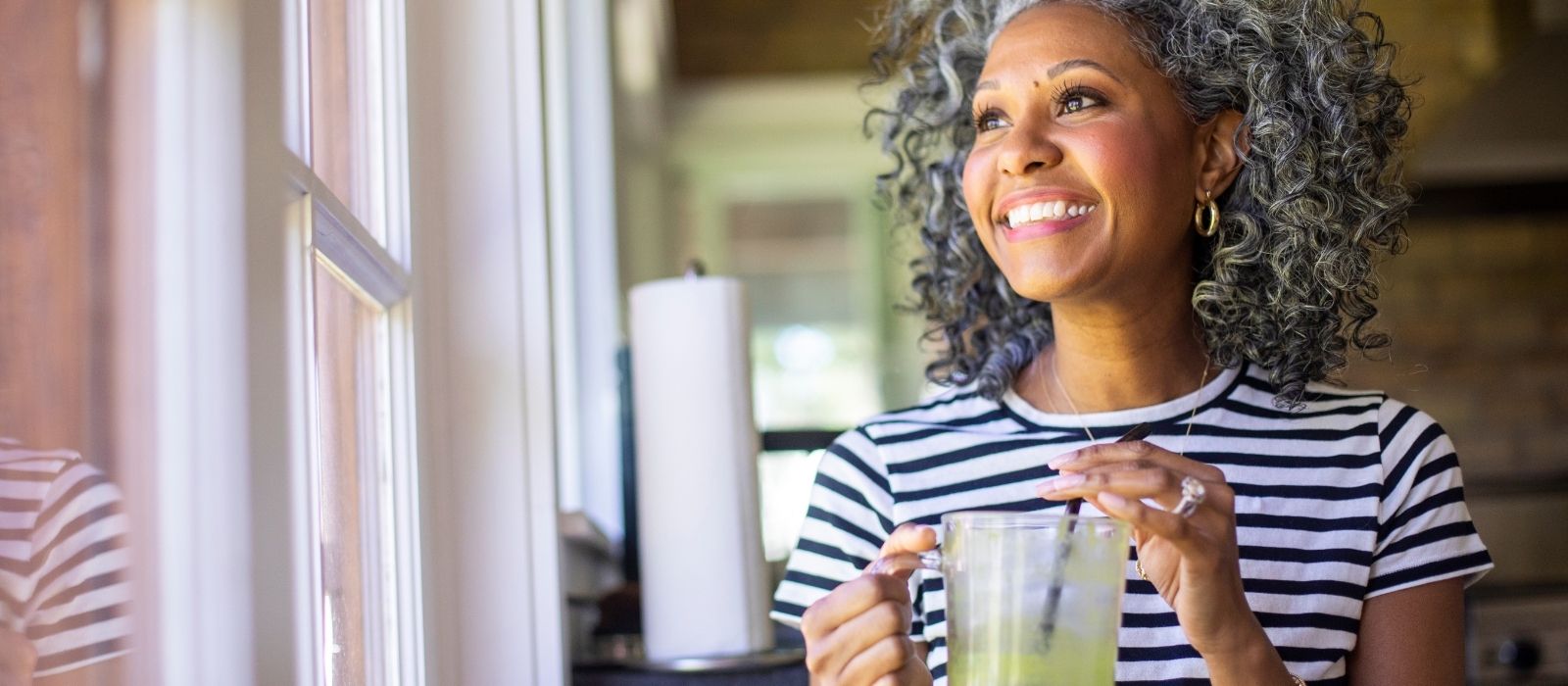
Aging gracefully gets reduced to skincare. Here's what the research on successful aging actually shows, and why the internal work matters more than the external.
You've seen the articles. They promise to teach you how to age gracefully, then deliver fourteen paragraphs about retinol and sunscreen. As if aging well came down to expensive serums and good genes.
The women who actually age gracefully, the ones who seem genuinely content at 65, not just well-preserved, share something deeper than skincare routines. They've figured out how to stay flexible with their identity, maintain purpose beyond their appearance, and build connections that outlast their collagen production.
Research from Harvard's Study of Adult Development, which followed participants for over 80 years, found that relationships matter more than any other factor for aging well. Not face cream relationships, real ones where you can set boundaries without guilt and show up authentically. The people who aged most successfully weren't the ones with the best skin. They were the ones who could adapt to change without losing themselves.
Your Identity Needs Room to Grow
The biggest predictor of difficult aging isn't wrinkles. It's identity rigidity. Women who define themselves entirely through roles that change, mother of young children, career climber, the pretty one in the friend group, struggle most when those roles shift or disappear.
Dr. Bernice Neugarten's research on aging at the University of Chicago found that people who age well maintain what she called 'identity flexibility.' They can let go of outdated versions of themselves without feeling like they're losing everything that made them who they were.
This means your 45-year-old self doesn't need to cling to your 25-year-old ambitions. If you spent decades being the reliable one who never said no, aging gracefully might mean learning that setting limits doesn't make you selfish. If you built your confidence around being needed by everyone, it might mean discovering who you are when people need you less.
Purpose Changes, But It Doesn't Disappear
The women who struggle most with aging are the ones who mistake slowing down for stopping completely. But research from the MacArthur Foundation Study of Successful Aging found that maintaining purpose, not necessarily the same purpose, matters more for longevity than physical health markers.
Purpose after 50 looks different than purpose at 30. It's less about climbing ladders and more about using what you've learned. Maybe it's mentoring younger women in your field instead of competing with them.
Maybe it's volunteering for causes you care about instead of just donating money. Maybe it's writing, teaching, or creating something that wasn't possible when you were busy raising kids or building a career.
Loneliness Ages You Faster Than Anything
There's a study from Brigham Young University that found chronic loneliness increases mortality risk by 26%. That's comparable to smoking 15 cigarettes daily. The catch is that loneliness doesn't mean being alone, it means feeling disconnected even when you're surrounded by people.
Women who age gracefully invest in relationships that go deeper than surface-level pleasantries. They make new friends as adults instead of relying solely on decades-old connections that might not fit who they're becoming. They're honest about their struggles instead of pretending everything's perfect. They show up for others without losing themselves in the process.
If you've been feeling disconnected lately, that's not a character flaw. It's information. Social connections require maintenance, especially as life circumstances change. The women who age well treat friendship like any other skill, something that improves with practice and attention.
Change Becomes Your Ally, Not Your Enemy
The difference between aging gracefully and aging reluctantly comes down to your relationship with change. Women who fight every shift, physical, social, professional, exhaust themselves trying to maintain something that's naturally evolving. Women who age well learn to work with change instead of against it.
This doesn't mean accepting decline passively. It means distinguishing between changes you can influence and changes you need to adapt to. You can strength train to maintain muscle mass, but you can't stop your metabolism from slowing. You can nurture existing friendships, but you can't force people to stay in your life who've grown in different directions.
The University of Michigan's Health and Retirement Study found that people who scored highest on 'psychological resilience' weren't the ones who avoided challenges. They were the ones who could find meaning in difficulty and maintain optimism without denying reality.
Aging gracefully isn't about looking 30 at 50. It's about being genuinely comfortable with who you're becoming instead of mourning who you used to be. It's about building a life that gets richer, not just older. And it starts with recognizing that the most important work happens inside, where no amount of skincare can reach.
FAQ
How do you age gracefully as a woman?
Age gracefully by maintaining identity flexibility, nurturing deep relationships, and finding new sources of purpose as old ones evolve. Focus on adapting to change rather than resisting it, and invest in connections that go beyond surface-level interactions.
What does it mean to age gracefully psychologically?
Aging gracefully psychologically means staying open to growth and change rather than clinging to outdated versions of yourself. It involves maintaining purpose, building meaningful relationships, and developing resilience to handle life's inevitable transitions without losing your core identity.
How can I age well mentally and emotionally?
Age well mentally and emotionally by cultivating relationships that support your authentic self, finding new sources of meaning as life circumstances change, and practicing psychological flexibility. Focus on what you can control while accepting what you cannot, and treat personal growth as a lifelong process rather than something that stops at a certain age.
This article is for informational purposes only. It is not a substitute for professional medical advice, diagnosis, or treatment. Always consult a qualified healthcare provider before making changes to your health routine.