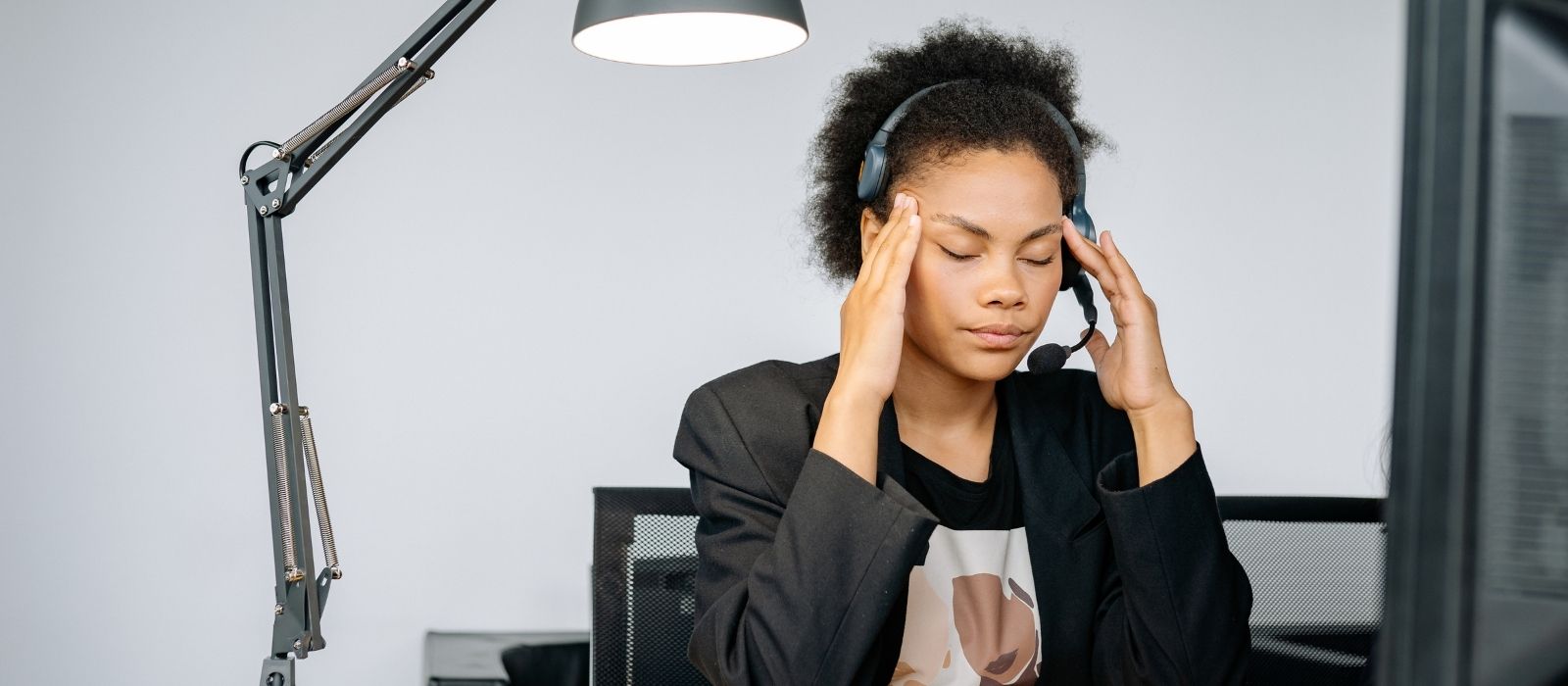
ADHD burnout is what happens after years of masking and overcompensating. It's not laziness, and recovering from it requires a different approach.
You wake up feeling like you've already worked an eight-hour shift. Making breakfast requires mental gymnastics. The thought of checking your email makes you want to crawl back into bed.
This isn't regular exhaustion. Regular burnout happens when you've been pushing too hard for too long. ADHD burnout happens when you've been pretending to be neurotypical for years.
ADHD burnout in women is what happens when the compensation strategies that kept you functioning finally break down. You've spent decades developing elaborate workarounds, multiple calendars, excessive note-taking, saying yes to everything to avoid seeming lazy. The systems worked until they didn't.
What ADHD Burnout Actually Looks Like
ADHD burnout symptoms go deeper than typical workplace exhaustion. Your executive function doesn't just slow down, it crashes completely. Simple decisions like what to wear or what to eat become overwhelming. You might find yourself starting tasks and abandoning them within minutes.
The emotional signs hit differently too. Regular burnout makes you cynical about work. ADHD burnout makes you question whether you're capable of anything. You start believing you're lazy, broken, or fundamentally flawed.
Physical symptoms pile on: chronic fatigue that sleep doesn't fix, headaches, muscle tension, and digestive issues. Your nervous system stays stuck in fight-or-flight mode because masking ADHD symptoms creates constant stress.
Many women describe feeling like they're watching their life from the outside. You go through the motions but everything feels mechanical. The creativity and hyperfocus that usually characterize ADHD disappear completely.
The Masking Cycle That Creates Burnout
ADHD masking burnout develops through years of hiding your natural brain patterns. ADHD signs in women often get missed because masking starts early and becomes automatic.
You learned to compensate by working twice as hard as everyone else. While classmates took notes normally, you rewrote everything three times. While colleagues left work at 5 PM, you stayed until 8 PM to double-check everything.
The compensation strategies create a dangerous feedback loop. The more successfully you mask, the more people expect neurotypical performance. The bar keeps rising until you can't maintain the act anymore.
Women often develop people-pleasing patterns as part of their masking strategy. You say yes to extra projects, volunteer for everything, and avoid setting boundaries. Rejection sensitive dysphoria makes saying no feel impossible.
Why Regular Recovery Methods Don't Work
Taking a vacation won't fix ADHD burnout. Neither will better time management or meditation apps. These solutions assume the problem is external pressure when the real issue is internal masking.
ADHD brains need different recovery strategies because the exhaustion comes from suppressing natural neurodivergent patterns. You can't rest your way out of burnout if you're still forcing yourself to function like a neurotypical person.
Traditional self-care often backfires for ADHD women. Adding yoga classes and journaling to your schedule creates more pressure to perform. The guilt of not maintaining perfect self-care routines becomes another source of stress.
What ADHD Burnout Recovery Actually Requires
ADHD burnout recovery starts with permission to unmask. This means accepting that your brain works differently and stopping the constant internal translation from ADHD thoughts to neurotypical communication.
Reduce your cognitive load by eliminating non-essential decisions. Wear the same type of clothes every day. Eat the same breakfast.
Use meal delivery services. Your brain needs energy for healing, not for deciding between seventeen cereal options.
Build routines around your natural ADHD patterns instead of fighting them. If you hyperfocus better in the evening, stop forcing morning productivity. If you think better while moving, take walking meetings. ADHD emotional patterns require accommodation, not elimination.
Set boundaries without explaining yourself. You don't owe anyone a detailed justification for protecting your energy. "I can't take on extra projects right now" is a complete sentence.
Recovery takes months, not weeks. Your nervous system needs time to reset after years of hypervigilance. Some women need six months of reduced expectations before they feel human again.
FAQ
How long does ADHD burnout recovery take?
ADHD burnout recovery typically takes 6-12 months of reduced expectations and unmasking. The timeline depends on how long you've been masking and how severe the burnout became.
Can you prevent ADHD burnout from happening again?
Yes, by building sustainable systems that work with your ADHD brain instead of against it. This means setting boundaries, using accommodations, and regularly checking in with your energy levels before you hit empty.
Is ADHD burnout the same as depression?
No, though they can occur together. ADHD burnout is specifically caused by masking and overcompensating. Depression involves persistent mood changes. If you're experiencing both, treating the ADHD burnout often improves depressive symptoms too.
This article is for informational purposes only. It is not a substitute for professional medical advice, diagnosis, or treatment. Always consult a qualified healthcare provider before making changes to your health routine.