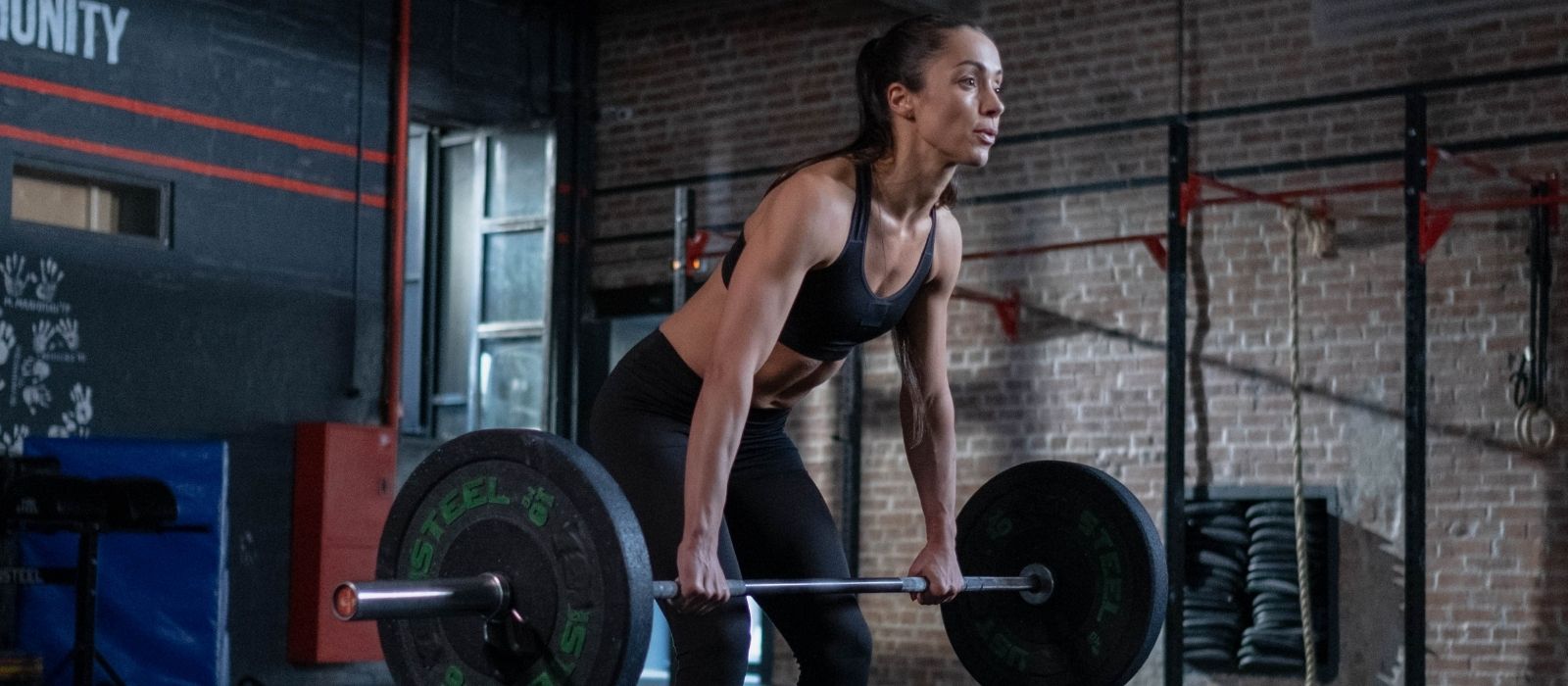
After 40, strength training protects muscle and bone better than cardio alone. Here's why it becomes the priority.
You used to run three miles and feel accomplished. Now your knees ache, your energy stays flat, and the scale climbs despite the same effort. The cardio that worked in your twenties isn't delivering the same returns, but you keep doing it because it feels familiar.
Something shifts after 40. Your body starts holding onto fat differently, your muscles feel softer even when you're active, and small injuries take longer to heal. What happens to your metabolism after 40 explains part of this puzzle, but the real story is about what you're losing and what cardio can't replace.
The problem isn't that cardio stops working entirely. The problem is that after 40, strength training women over 40 need becomes more critical than the cardiovascular fitness most of us prioritize. Your body is quietly dismantling muscle tissue and bone density at rates that will compound over decades. Cardio maintains your heart health, but it can't stop this structural decline.
The Muscle Loss That Starts Before You Notice
Muscle loss begins around 30, but it accelerates after 40. You lose about 3-8% of your muscle mass per decade, and the rate doubles after menopause. This isn't just about looking toned. Muscle tissue burns calories at rest, supports your joints, and maintains your metabolic rate.
When you lose muscle, your metabolism slows down permanently. A pound of muscle burns about 6-7 calories per day just existing. A pound of fat burns 2-3 calories. Every pound of muscle you lose means your body requires fewer calories to function, making weight gain easier and weight loss harder.
Cardio doesn't build muscle. Running, cycling, and swimming improve your cardiovascular system, but they don't provide the resistance needed to maintain or build muscle mass. Some forms of cardio can actually accelerate muscle loss if you're not eating enough protein or doing any resistance work.
Why Your Bones Need More Than Walking
Bone density peaks around 30 and declines steadily after that. The decline accelerates dramatically during perimenopause and menopause as estrogen levels drop. You can lose up to 20% of your bone density in the five to seven years after menopause.
Weight-bearing cardio like walking helps maintain bone density to some degree, but it's not enough. Your bones respond to the mechanical stress of resistance training by becoming stronger and denser. The heavier the load, the greater the bone-building response.
A study from McMaster University found that women who did high-intensity strength training twice a week for a year increased their bone density by 9%, while a control group doing aerobic exercise showed no improvement. The strength training group also gained muscle mass and lost body fat.
The Metabolism Problem Cardio Can't Solve
Your metabolism after 40 isn't just about burning calories during exercise. It's about maintaining the muscle tissue that keeps your metabolic rate elevated 24 hours a day. Strength training creates something called excess post-exercise oxygen consumption (EPOC), which means you continue burning calories at an elevated rate for hours after your workout.
But the real metabolic advantage comes from the muscle tissue itself. Building and maintaining muscle through resistance training keeps your resting metabolic rate higher. This matters more than the calories you burn during any single workout.
What happens when you don't eat enough protein in your 30s shows how inadequate protein accelerates muscle loss, but even adequate protein can't preserve muscle without the stimulus of resistance training.
The Hormonal Response
Strength training triggers a different hormonal response than cardio. It increases growth hormone and testosterone production, both of which decline with age. These hormones help maintain muscle mass, bone density, and metabolic function.
Too much steady-state cardio can actually elevate cortisol chronically, which breaks down muscle tissue and promotes fat storage, especially around the midsection. Strength training sessions are typically shorter and create a more favorable hormonal environment.
What Changes When You Prioritize Weights
Women who start strength training after 40 often notice changes beyond muscle gain. Joint pain decreases because stronger muscles provide better support. Balance improves, reducing fall risk. Sleep quality often improves, possibly due to better blood sugar regulation and the physical fatigue that comes from challenging your muscles.
The strength training benefits women 40 and older experience aren't just physical. There's something psychologically powerful about getting stronger when everything else about aging feels like decline. Lifting heavier weights month after month provides concrete evidence that you're building something rather than just maintaining it.
You don't need to abandon cardio entirely. Heart health matters, and cardiovascular exercise provides benefits that strength training doesn't. But the ratio should shift. Instead of spending four hours a week on cardio and none on strength training, try two hours of each. Or three hours of strength training and one hour of cardio.
The Reality About Starting After 40
Starting strength training after 40 feels intimidating if you've never done it, but your body responds to resistance training at any age. A study published in the Journal of Applied Physiology found that women in their 60s and 70s could gain muscle mass and strength at rates similar to women in their 20s when following the same training program.
The key is progressive overload, gradually increasing the weight, reps, or sets over time. Your muscles need to be challenged beyond what they're used to in order to adapt. This doesn't mean immediately lifting heavy weights, but it does mean consistently asking your muscles to do slightly more than they did last week.
Recovery takes longer after 40, so you might need more rest between sessions. Two to three strength training sessions per week is enough to see significant improvements in muscle mass, bone density, and strength. How to recover faster after exercise covers the factors that support recovery as you age.
The compound movements that work multiple muscle groups at once give you the most benefit for your time. Squats, deadlifts, rows, and presses train functional movement patterns while building strength throughout your body.
Frequently Asked Questions
can i do strength training every day after 40
Your muscles need time to repair and rebuild between sessions, especially after 40 when recovery slows down. Two to three strength training sessions per week with at least one day of rest between sessions allows for optimal muscle growth and prevents overuse injuries.
how long does it take to see results from strength training women over 40
You'll typically feel stronger within 2-3 weeks as your nervous system adapts, but visible muscle changes usually take 6-8 weeks. Bone density improvements happen more slowly, typically becoming measurable after 6-12 months of consistent training.
what if i only have 20 minutes for strength training
Twenty minutes is enough if you focus on compound exercises that work multiple muscle groups. A circuit of squats, push-ups, rows, and planks can provide a full-body workout. Consistency matters more than duration, so regular 20-minute sessions beat occasional hour-long workouts.
This article is for informational purposes only. It is not a substitute for professional medical advice, diagnosis, or treatment. Always consult a qualified healthcare provider before making changes to your health routine.