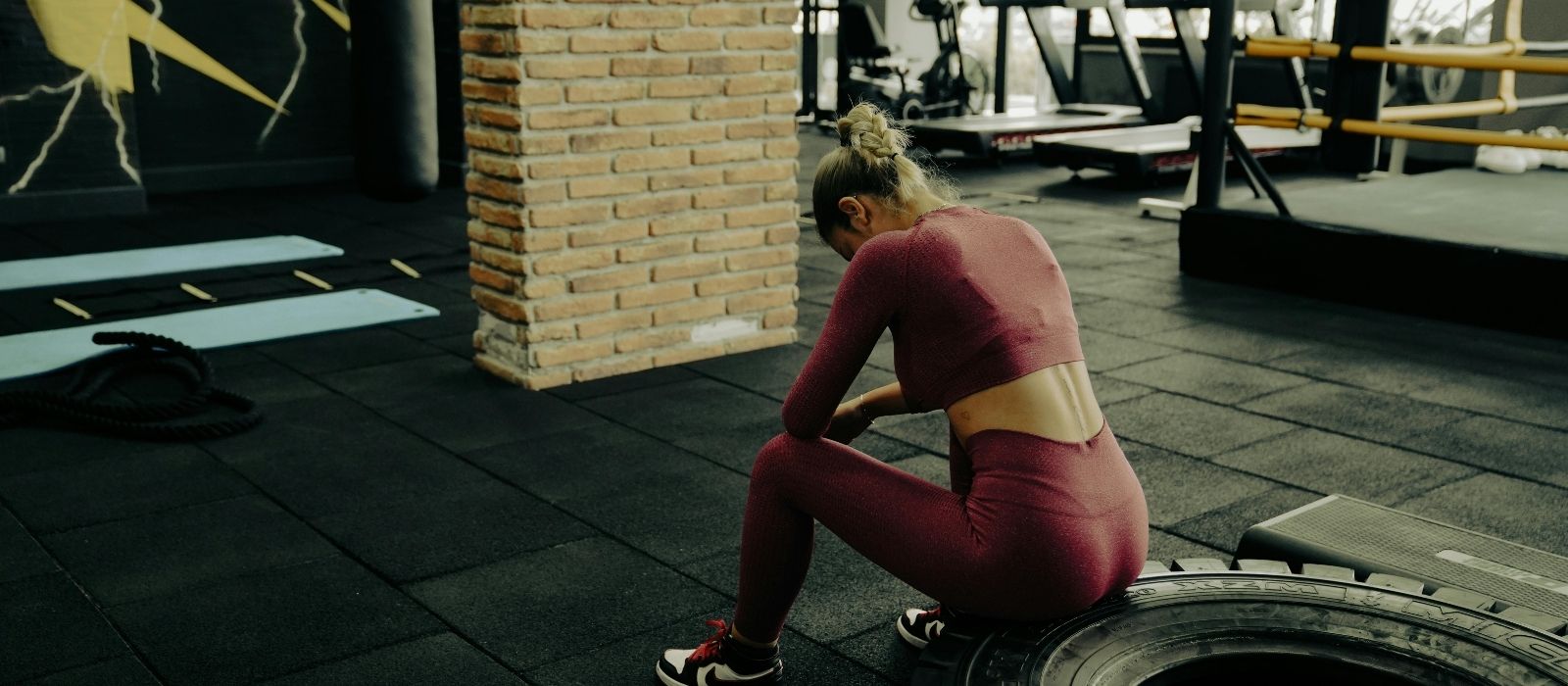
Recovery is where adaptation actually happens. Here's the hierarchy of what actually speeds recovery, sleep, protein, active movement, and what's mostly noise.
You finish a tough workout feeling accomplished. Twelve hours later, you can barely walk down stairs without wincing. Your muscles ache, you're exhausted, and tomorrow's planned session looks impossible.
Here's what most people get wrong about recovery: they think it's about avoiding soreness. Recovery is actually where your body adapts to the stress you just put it through. Skip proper recovery, and you're not just tired, you're missing the entire point of exercise.
The fitness industry sells recovery like it sells everything else, through expensive gadgets and complicated protocols. Percussion massagers, compression boots, ice baths, red light therapy. But recovery follows a hierarchy. Get the basics right first, and you'll see bigger improvements than any $300 device can deliver.
Sleep Is Where Recovery Actually Happens
Your muscles don't grow while you're lifting weights. They grow while you're sleeping. Growth hormone peaks during deep sleep, protein synthesis ramps up, and your nervous system repairs itself from the day's training stress.
Cut your sleep short, and everything else falls apart. A study from the Journal of Sports Medicine found that athletes who slept less than 6 hours per night had 70% higher injury rates compared to those getting 9+ hours. Sleep debt doesn't just make you tired, it makes your recovery incomplete.
The research is clear on what works: 7-9 hours nightly, consistent bedtime, and cool, dark rooms. Your phone's blue light doesn't just keep you awake, it suppresses melatonin production for up to 3 hours after exposure. Sleep and exercise affect each other more than most people realize, creating either a positive cycle or a destructive one.
Protein Timing Matters Less Than Protein Total
The fitness world obsesses over post-workout protein windows. Drink your shake within 30 minutes or miss out on gains. The research tells a different story.
Your daily protein total matters more than when you eat it. The International Society of Sports Nutrition reviewed decades of protein timing studies and found the "anabolic window" is closer to 4-6 hours, not 30 minutes. If you're eating protein regularly throughout the day, timing your post-workout shake to the minute won't make or break your recovery.
What does matter: getting 1.6-2.2 grams per kilogram of body weight daily. For a 140-pound woman, that's roughly 100-140 grams of protein spread across meals. Your muscles need amino acids available consistently, not just immediately after training.
Active Recovery Beats Complete Rest
Your instinct after a hard workout might be to collapse on the couch. Your muscles will recover faster if you keep moving, just gently.
Active recovery means low-intensity movement that increases blood flow without adding training stress. A 20-minute walk, easy yoga, or light swimming. The goal isn't to burn calories or build fitness, it's to help your lymphatic system clear metabolic waste from your muscles.
Complete rest has its place, especially after very intense sessions. But most of the time, gentle movement speeds recovery better than doing nothing. Research from the European Journal of Applied Physiology found that active recovery reduced muscle soreness by 30% compared to passive rest.
The Recovery Tools That Actually Move the Needle
Once you've nailed sleep and nutrition, some tools can provide marginal but real benefits. The key word is marginal, these might add 5-10% improvement, not transform your recovery.
Heat exposure through saunas or hot baths increases blood flow and may reduce muscle soreness. A Finnish study found that 15-20 minutes at 80-100°C three times per week improved recovery markers in trained athletes.
Cold exposure works differently, it reduces inflammation and may speed recovery between sessions. But timing matters. Ice baths immediately after strength training can blunt muscle growth adaptations. Save cold therapy for between hard sessions, not after every workout.
Massage, foam rolling, and compression gear all show modest benefits in studies. They won't fix poor sleep or inadequate protein, but they can help if your basics are solid.
What Doesn't Work Despite the Hype
Recovery supplements are mostly expensive urine. Branched-chain amino acids, glutamine, and most "recovery formulas" show minimal benefits in people eating adequate protein. Your money is better spent on quality food and a comfortable mattress.
Excessive stretching post-workout doesn't prevent soreness or speed recovery. Static stretching for flexibility is fine, but don't expect it to cure your recovery woes.
FAQ
how long should I wait between intense workouts
48-72 hours for the same muscle groups. You can train different muscles daily if your sleep and nutrition support it. Listen to your body, persistent fatigue means you need more recovery time.
should I exercise when I'm sore
Light soreness is fine to train through with gentle movement. Sharp pain or severe soreness that limits your range of motion means rest that area until it resolves.
do I need protein powder for recovery
No. Whole foods provide complete proteins with additional nutrients. Protein powder is convenient, not necessary. Focus on total daily protein intake from whatever sources work for your lifestyle and budget.
This article is for informational purposes only. It is not a substitute for professional medical advice, diagnosis, or treatment. Always consult a qualified healthcare provider before making changes to your health routine.