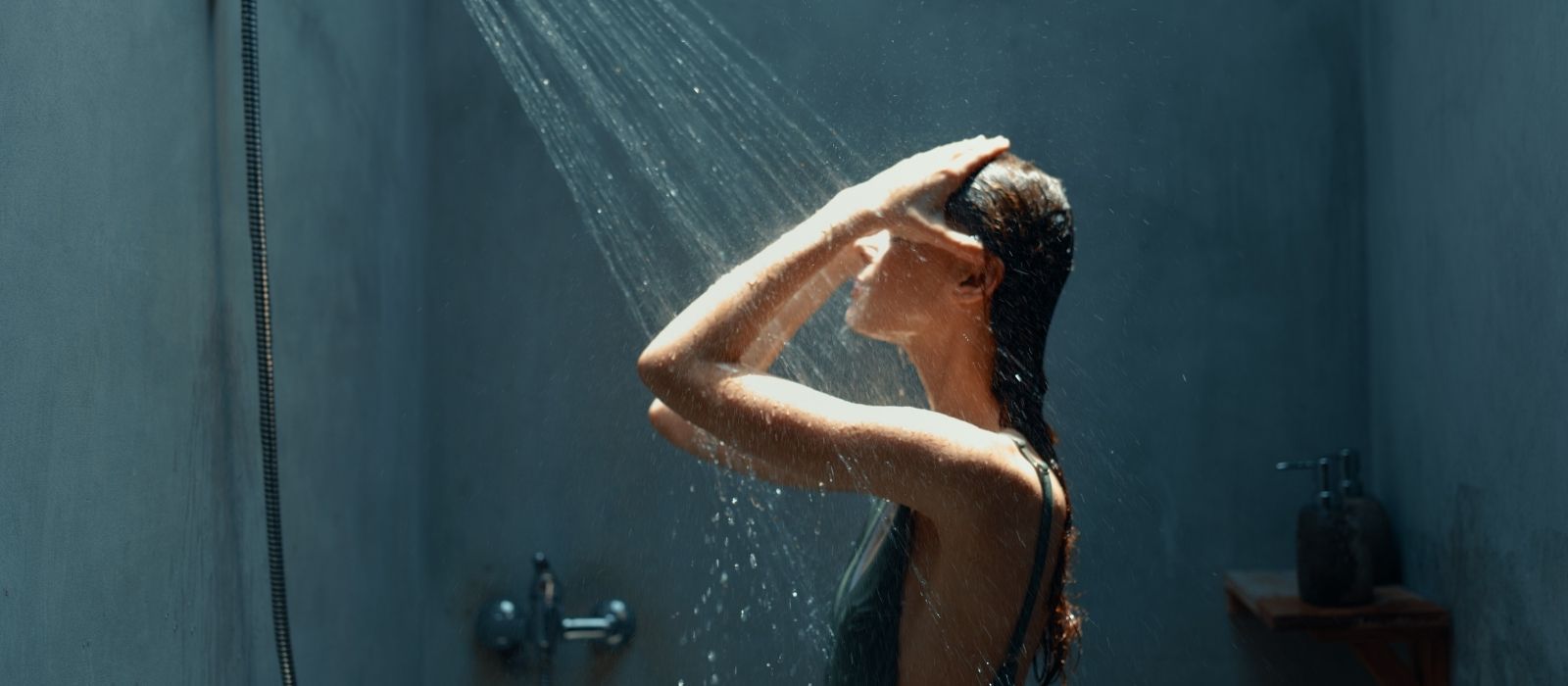
Cold plunges and cold showers have real benefits, but most of the research is on men. Here's what we know about how cold exposure works differently for women.
The influencer posts her ice bath routine at 6 AM. Followers flood the comments asking if they should jump in too. What they don't see in the caption: she's timing her cold plunges around her menstrual cycle, adjusting duration based on her luteal phase, and skipping entirely when her cortisol is already spiking from work stress.
Most cold exposure research focuses on men. The studies showing dramatic improvements in mood, metabolism, and stress resilience? Male participants.
The protocols suggesting 2-4 minutes at 50-59°F? Based on male hormone patterns. Women's bodies respond differently to cold stress, particularly around hormonal fluctuations, but the mainstream advice rarely mentions this.
Cold exposure for women works, but it requires different timing, duration, and awareness of where you are in your cycle. The benefits are real, improved stress tolerance, better mood regulation, enhanced recovery, but the one-size-fits-all approach can backfire if you're already dealing with high cortisol or hormonal disruption.
How Cold Exposure Affects Women's Hormones
Cold water triggers your sympathetic nervous system, flooding your body with norepinephrine and cortisol. In healthy doses, this acute stress strengthens your stress response system. But women's cortisol patterns change throughout their menstrual cycle, and adding cold stress at the wrong time can push an already elevated system over the edge.
During the follicular phase (days 1-14), estrogen rises gradually and your body typically handles stress better. This is when cold exposure tends to feel energizing rather than depleting. Your luteal phase (days 15-28) brings higher progesterone and more variable cortisol patterns. Some women feel invincible during early luteal, while others notice their stress tolerance drops significantly.
Research from the University of Virginia found that women show greater cortisol variability than men in response to acute stressors. Cold plunges count as acute stress. If you're already running high cortisol from work deadlines, poor sleep, or chronic stress patterns, adding cold exposure can amplify the problem instead of solving it.
The Benefits Are Still Worth It
When timed correctly, cold exposure for women delivers measurable improvements. A study from Czech Republic researchers found that regular cold water swimmers had higher levels of norepinephrine and dopamine, leading to better mood regulation and stress resilience. These benefits appeared stronger in women than men, possibly because women's nervous systems adapt more efficiently to repeated stressors.
Cold exposure also influences brown fat activation. Women naturally have more brown fat than men, which burns calories to generate heat. Regular cold exposure increases brown fat activity, potentially improving metabolic health and body composition. The catch: this only works when your body isn't already overwhelmed by other stressors.
Protocols That Actually Work for Women
Start shorter and colder rather than longer and warmer. Two minutes at 50°F triggers more adaptation than five minutes at 60°F, without overtaxing your system. Your first week should be 30-60 seconds maximum. Add 15-30 seconds weekly until you reach 2-3 minutes.
Track your cycle and adjust accordingly. Many women find cold exposure feels best during follicular phase and early luteal phase. If you're experiencing PMS symptoms, high work stress, or poor sleep, skip the cold plunge. Your body needs recovery, not additional stress.
Pay attention to how you feel 2-4 hours afterward. Good cold exposure leaves you energized and clear-headed by lunch. If you're exhausted, anxious, or craving sugar all afternoon, you've overdone it or chosen poor timing. Unlike movement that leaves you depleted, cold exposure should enhance your energy when done right.
Consider your existing stress load. If you're dealing with burnout recovery or persistent stress patterns, focus on nervous system repair first. Cold exposure works best when you're building resilience, not when you're trying to recover from depletion.
Frequently Asked Questions
Should I do cold plunges during my period?
It depends on how you feel. Some women find cold exposure helps with period pain and mood, while others feel more sensitive to stress during menstruation. Start with shorter exposures and skip if you're experiencing heavy bleeding or severe cramping.
How cold should the water be for women?
50-59°F is the sweet spot for most women. Colder isn't necessarily better and can overtax your stress response system. Focus on consistent exposure at a manageable temperature rather than pushing for extreme cold.
Can cold exposure mess up my hormones?
Cold exposure can disrupt hormones if you're already dealing with high cortisol, irregular cycles, or chronic stress. If you have existing hormonal issues, work with a healthcare provider before starting cold therapy protocols.
This article is for informational purposes only. It is not a substitute for professional medical advice, diagnosis, or treatment. Always consult a qualified healthcare provider before making changes to your health routine.