Learn why gua sha works differently on dark skin, which techniques prevent post-inflammatory hyperpigmentation, and how to get lymphatic drainage benefits safely.
Your friend swears by gua sha for reducing puffiness and sculpting her jawline. But when you try the same pressure and technique, you're left with dark marks that take weeks to fade. The problem isn't your skin being 'too sensitive', it's that most gua sha advice ignores how melanin-rich skin responds differently to pressure and friction.
Dark skin produces more melanin when irritated, which means techniques that work fine on lighter skin tones can trigger post-inflammatory hyperpigmentation (PIH). That doesn't mean you can't use gua sha. It means you need to adjust your approach to work with your skin's protective mechanisms instead of against them.
The key difference is pressure intensity and tool selection. While lighter skin might tolerate firm scraping motions, dark skin needs gentler lymphatic drainage techniques that move fluid without creating inflammation. The benefits are the same, reduced puffiness, improved circulation, and muscle tension relief, but the path there looks different.
Why Dark Skin Reacts Differently to Gua Sha
Melanin acts as your skin's natural defense system. When melanocytes detect irritation from excessive pressure or friction, they produce more pigment to protect deeper skin layers. This is why acne scars, ingrown hairs, and aggressive skincare treatments often leave dark spots that persist for months.
Traditional gua sha involves scraping the skin until you see 'sha', small red dots that indicate blood has been drawn to the surface. This technique works by creating controlled micro-trauma to stimulate circulation. But on dark skin, that same trauma triggers melanin production, leaving you with hyperpigmentation instead of the glowy results you wanted.
Your lymphatic system doesn't need trauma to function better. Light pressure that follows lymphatic drainage pathways moves fluid just as effectively without triggering your skin's defense response. Gua sha for puffiness and jaw tension explains how lymphatic techniques work differently from traditional scraping methods.
Safe Gua Sha Techniques for Dark Skin
Start with oil every time. Never drag a tool across dry skin, which creates friction and increases PIH risk. Use enough facial oil so the tool glides smoothly without tugging. Jojoba, rosehip, or marula oils work well because they don't clog pores or interfere with lymphatic drainage.
Keep pressure light throughout your entire routine. If you're seeing red marks immediately after, you're pressing too hard. The goal is moving lymph fluid, not creating inflammation. Use gentle upward and outward strokes that follow your natural lymphatic pathways, from the center of your face toward your ears and down your neck.
Stick to 2-3 times per week maximum. Daily gua sha increases your risk of irritation and PIH, especially if you're also using active ingredients like retinoids or AHAs. Using retinol on dark skin requires similar caution about combining treatments that can trigger pigmentation.
Focus on lymphatic drainage movements instead of muscle scraping. Start at your collarbone and work upward, always ending strokes at lymph nodes near your ears and under your jawline. This technique reduces puffiness without the pressure that causes problems for melanin-rich skin.
Choosing the Right Tool and Aftercare
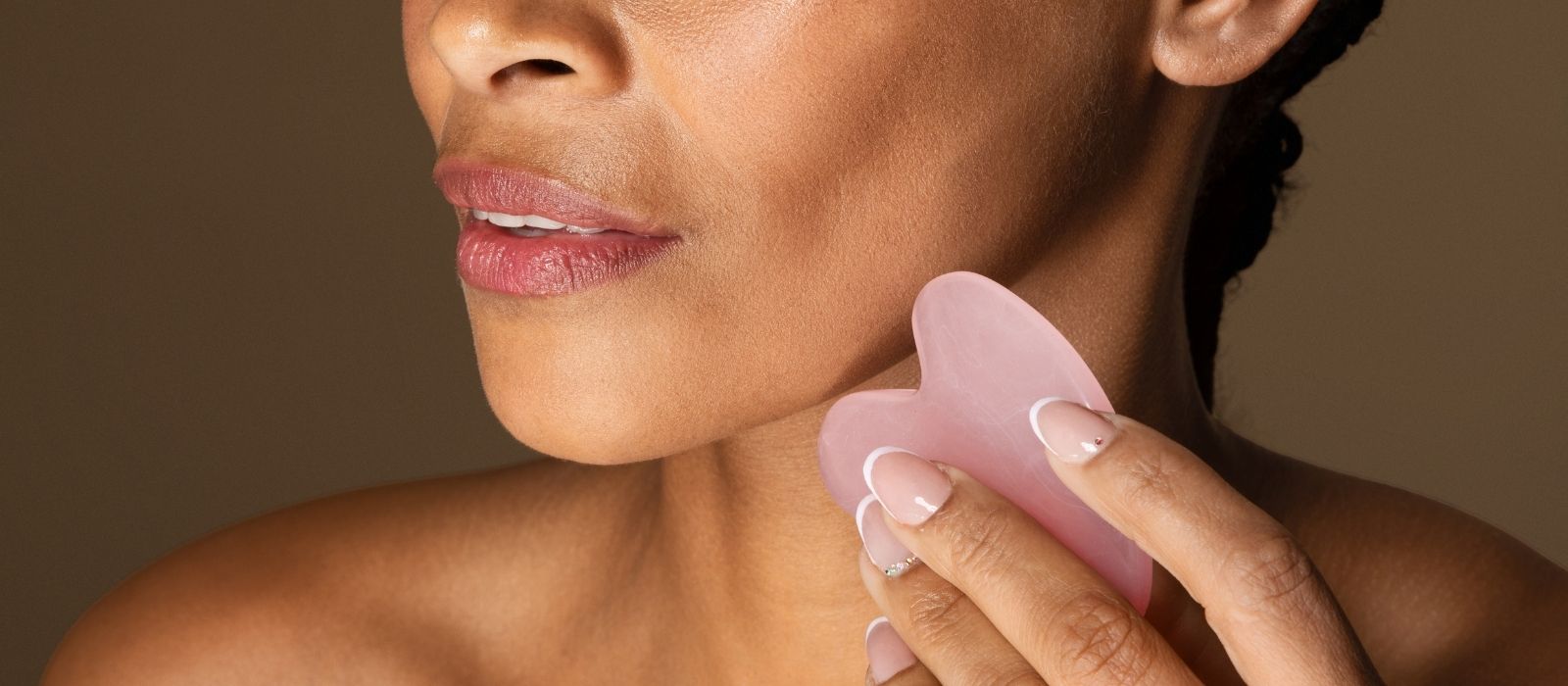
Rose quartz and stainless steel tools work better than jade for dark skin because they stay cooler and create less friction. Gua sha tool selection covers material differences, but temperature matters more than stone type for preventing irritation.
Clean your tool with alcohol between uses to prevent bacteria buildup that could cause breakouts. Store it in the refrigerator so it stays cool, cold tools reduce inflammation risk and feel more soothing during use.
After gua sha, apply a gentle moisturizer with niacinamide or centella asiatica to calm any minor irritation. Avoid acids or retinoids for 24 hours after treatment. If you notice any darkening, stop using the tool immediately and focus on barrier repair until your skin returns to normal.
Watch for signs you're overdoing it: persistent redness lasting more than an hour, dark spots appearing within days of treatment, or increased sensitivity to your regular skincare products. Your skin will tell you if the pressure or frequency is too much.
FAQ
Can gua sha cause permanent dark spots on dark skin?
Gua sha won't cause permanent darkening if done correctly with light pressure and proper technique. PIH from excessive pressure usually fades within 3-6 months, but prevention is always better than treatment.
How long should I wait to see results from gua sha on dark skin?
You should notice reduced morning puffiness within 2-3 uses. Longer-term benefits like improved skin texture and reduced jaw tension typically show up after 4-6 weeks of consistent use 2-3 times per week.
Is gua sha safe during pregnancy for dark skin?
Facial gua sha with light pressure is safe during pregnancy, but avoid tools on your neck and avoid any pressure points near your jaw that traditional Chinese medicine associates with labor induction. When in doubt, check with your healthcare provider first.
This article is for informational purposes only. It is not a substitute for professional medical advice, diagnosis, or treatment. Always consult a qualified healthcare provider before making changes to your health routine.