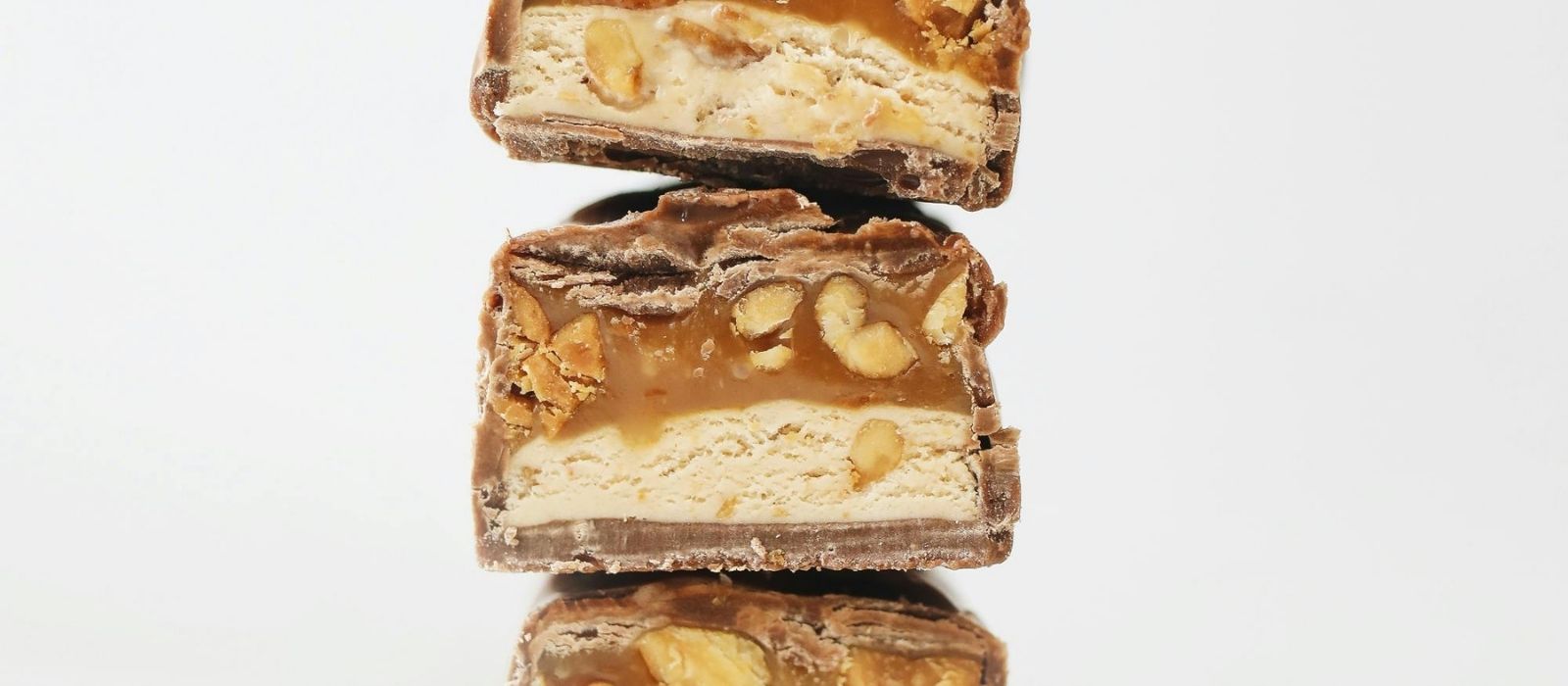
Protein snacks went from niche to mainstream in 2026. Here's what changed and why they're not just for athletes anymore.
Protein snack brands stopped pretending their bars taste like birthday cake. That shift tells you everything about what happened in 2026, the market grew up because the customers did too.
Two years ago, protein snacks lived in the supplement aisle next to pre-workout powders. Now they're shelved with regular snacks, and grocery stores can't keep the plain flavors in stock. The change wasn't about marketing. Women learned what muscle loss after 40 actually costs, and blood sugar crashes stopped feeling normal.
The Muscle Moment That Changed Everything
Sarcopenia research hit mainstream wellness in 2025. Not the academic papers, the real-world math. Losing 3-8% of muscle mass per decade after 30 means a 40-year-old woman has 70% of the muscle she had at 25. That calculation spread through social media faster than any fitness trend.
Suddenly, the 25 grams of protein in a bar mattered more than the 3 grams of sugar. Women started reading labels differently. They wanted protein between meals, not just at dinner, because protein timing research showed steady intake works better than loading it all into one meal.
The fitness industry caught up. Companies that built their brands on 'lean and toned' messaging started talking about strength and longevity instead. Protein snacks became preventative, not performative.
Why Blood Sugar Awareness Exploded
CGMs (continuous glucose monitors) went consumer in 2024. By 2026, enough women had tracked their blood sugar for a month to see the pattern: afternoon energy crashes weren't about needing caffeine. They were about what happened two hours after lunch.
Protein snacks stabilize blood sugar in ways that crackers and fruit don't. The research was always there, but seeing your glucose spike and crash in real-time made it personal. A protein bar at 3pm kept levels steady until dinner. A handful of nuts didn't cut it anymore when you could see exactly how your body responded.
The timing aligned with perimenopause conversations getting louder. Protein needs increase during hormonal changes, but most women still ate the same amount they did at 25. High-protein snacks filled the gap without requiring meal planning.
The Satiety Science That Stuck
Protein reduces ghrelin, the hunger hormone, more effectively than carbs or fat. That's not new research, it's from the early 2000s. But it took a generation of women tracking their hunger patterns to make the connection personal.
The difference shows up in grocery receipts. A $3 protein bar replaces the $8 coffee shop muffin that leaves you hungry again by 4pm. The math works even before you factor in the energy stability. Women started calculating the real cost of low-protein snacking: not just the money, but the decision fatigue of constantly managing hunger.
Beyond Weight Management
The conversation shifted from 'protein for weight loss' to 'protein for function.' Women in their 40s weren't trying to fit into smaller clothes, they wanted to carry groceries up stairs without thinking about it. Protein snacks became about maintaining independence, not changing appearance.
Recovery time matters more when you have less margin for being tired. Cortisol patterns change with age, and adequate protein helps manage stress response. The women buying protein bars at Target weren't training for marathons. They were managing full-time jobs and family responsibilities.
The Convenience Factor Nobody Talks About
High-protein snacks solve the 'what do I eat when I need to eat something but don't have time to think about it' problem. That problem intensifies in your 30s and 40s when meal planning feels like another task on an endless list.
Protein bars travel better than yogurt. They don't need refrigeration like string cheese. They're more filling than nuts and more portable than hard-boiled eggs. The convenience isn't laziness, it's logistics.
The industry responded by improving texture and reducing artificial sweeteners. Women wanted protein, not a chemistry experiment. Brands that figured out how to make bars that tasted like food, not supplements, captured the market.
But the real shift was cultural. Protein snacks stopped being about fitness goals and became about energy management. They're not a diet food anymore. They're a tool for feeling steady throughout the day, which matters more when your schedule doesn't allow for energy crashes.
Frequently Asked Questions
How Much Protein Should Women Eat Per Day?
Most women need 0.8-1.2 grams of protein per kilogram of body weight daily, but needs increase with age, stress, and activity level. A 140-pound woman needs about 50-75 grams daily, with higher amounts beneficial during perimenopause and for those doing strength training.
Are Protein Bars Actually Healthy or Just Marketing?
Protein bars vary widely in quality, but the best ones provide 15-25 grams of complete protein with minimal added sugar. They're processed food, not whole food, but they're nutritionally superior to most packaged snacks when you need convenient protein between meals.
What Makes a Good High Protein Snack for Women?
Look for 15+ grams of complete protein, less than 10 grams of added sugar, and ingredients you recognize. Greek yogurt with nuts, hard-boiled eggs, or quality protein bars work well. The key is protein content that actually affects satiety and blood sugar stability.
This article is for informational purposes only. It is not a substitute for professional medical advice, diagnosis, or treatment. Always consult a qualified healthcare provider before making changes to your health routine.