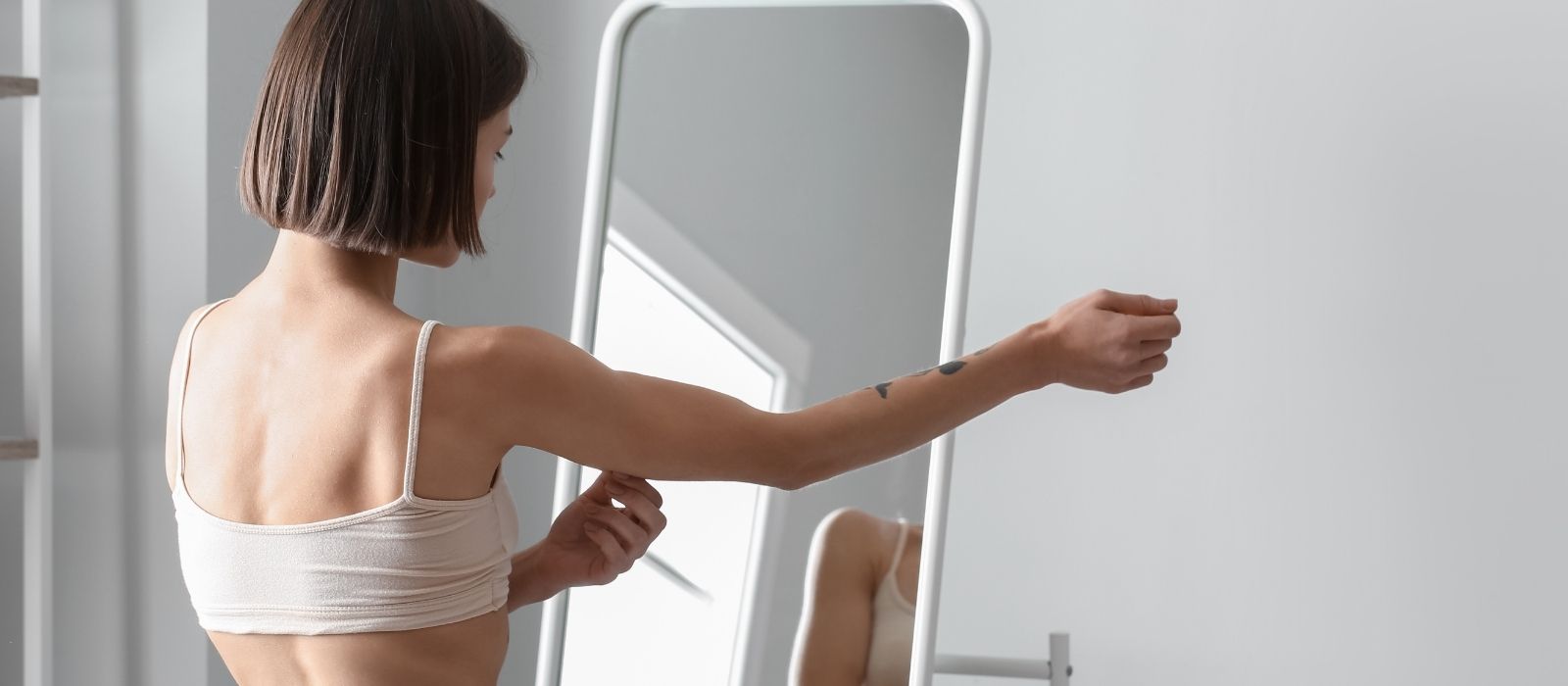
Most women aren't eating enough protein. In your 30s the consequences start showing up in ways you might not connect to food.
Your hair stylist mentions your ends look thinner. Your skin takes longer to heal from that scrape on your shin. You're following a solid workout routine but not seeing the muscle definition you used to get easily. These aren't separate problems, they're all connected to something most women don't track: protein intake.
Most women in their 30s eat about 60-70 grams of protein per day. Sounds reasonable until you realize that's barely enough to maintain what you already have, never mind support what your body is trying to do. Build muscle from those strength training sessions. Repair skin damage from stress and sun exposure. Grow strong hair and nails.
The gap between what you're eating and what you need gets wider in your 30s, not smaller. Your metabolism shifts, your hormones change, and your body's repair processes slow down, all while your protein requirements actually go up.
Your Muscles Start Shrinking Before You Notice
Muscle loss begins around age 30, but it's gradual enough that you won't feel it for years. You lose about 3-8% of your muscle mass per decade after 30, and protein deficiency accelerates this process.
The problem shows up in ways that don't scream "muscle loss." You get winded climbing stairs you used to take easily. Your lower back aches after standing at the kitchen counter. You can't open jars as easily as you used to. These feel like aging, but they're actually protein deficiency revealing itself through weakened muscles.
Muscle tissue is metabolically expensive, your body needs a constant supply of amino acids to maintain it. When you don't eat enough protein, your body starts breaking down muscle tissue to get the amino acids it needs for more critical functions like hormone production and immune response. This happens even if you're exercising regularly.
A study from the University of Arkansas found that women who ate less than 1.2 grams of protein per kilogram of body weight lost muscle mass even when doing resistance training. That's about 80 grams for a 150-pound woman, more than most women eat in a day.
Your Hair, Skin, and Nails Show the Shortage First
Hair is about 95% protein. Nails are mostly protein. Your skin's structure depends on collagen and elastin, both proteins. When you don't eat enough protein, these tissues suffer because they're not essential for survival.
Hair becomes thinner and more brittle. Not dramatically at first, just enough that your ponytail feels smaller or your hair doesn't hold styles as well. Hair loss in women often gets blamed on stress or hormones, but protein deficiency is frequently the underlying cause.
Your skin heals slower from cuts, acne, or sun damage. Chronic inflammation affects your skin over time, but inadequate protein makes it worse because your body can't produce enough anti-inflammatory compounds or repair damaged tissue efficiently.
Nails become soft, ridged, or prone to breaking. The white spots that show up aren't calcium deficiency, they're often a sign that your body is struggling to produce enough keratin, the protein that makes nails strong.
Your Energy Crashes Because Your Blood Sugar Can't Stabilize
Protein doesn't just build things, it stabilizes your blood sugar throughout the day. When you eat carbohydrates with adequate protein, the protein slows down how quickly the carbs hit your bloodstream. Without enough protein, you get the blood sugar roller coaster: energy spike, then crash, then cravings for more carbs.
Most women notice this pattern but don't connect it to protein intake. You eat oatmeal for breakfast and feel hungry two hours later. You have a salad for lunch and need a snack by 3 PM. You're not eating too many carbs, you're not eating enough protein with them.
Blood sugar fluctuations affect your sleep too. When your blood sugar drops overnight, your body releases cortisol to bring it back up. This can wake you up in the middle of the night or leave you feeling unrested even after eight hours of sleep.
The relationship between protein and sustained energy is why many women feel dramatically better when they increase their protein intake, even without changing anything else about their diet.
Your Hormones Stop Working Efficiently
Your body makes most hormones from amino acids, the building blocks of protein. Without adequate protein, your body can't produce optimal levels of neurotransmitters like serotonin and dopamine, or hormones like growth hormone and insulin.
Low protein intake affects your menstrual cycle. Your body needs amino acids to produce estrogen and progesterone, and protein deficiency can lead to irregular cycles, heavier periods, or worse PMS symptoms. This is especially problematic in your 30s when hormone production naturally starts to shift.
The stress hormone cortisol becomes harder to regulate when you're protein deficient. Your body needs adequate amino acids to produce the enzymes that break down cortisol after it's done its job. Without enough protein, cortisol stays elevated longer, leading to that wired-but-tired feeling that characterizes modern burnout.
Insulin sensitivity decreases when you don't eat enough protein. Your body holds fat differently after 35 partly because of changes in insulin sensitivity, and inadequate protein makes this worse.
But here's what nobody talks about: protein needs increase during times of stress, illness, or major life changes. Most women in their 30s are dealing with at least one of these consistently, which means the standard protein recommendations aren't enough.
Frequently Asked Questions
how much protein should i eat in my 30s if i work out
If you're doing any kind of regular exercise, aim for 1.6-2.2 grams per kilogram of body weight daily. That's roughly 110-150 grams for a 150-pound woman. Most women need more protein than they think, especially if you're trying to build muscle or dealing with chronic stress.
can low protein cause hair loss in women
Yes, protein deficiency is one of the most common but overlooked causes of hair thinning in women. Your hair follicles need a constant supply of amino acids to produce keratin. When protein is low, your body redirects amino acids to more critical functions and hair growth suffers.
what happens if you eat too little protein for months
Long-term protein deficiency leads to muscle loss, slower metabolism, poor wound healing, increased susceptibility to infections, and hormonal imbalances. The effects build gradually but become harder to reverse the longer you wait. Most symptoms improve within 4-6 weeks of adequate protein intake.
This article is for informational purposes only. It is not a substitute for professional medical advice, diagnosis, or treatment. Always consult a qualified healthcare provider before making changes to your health routine.