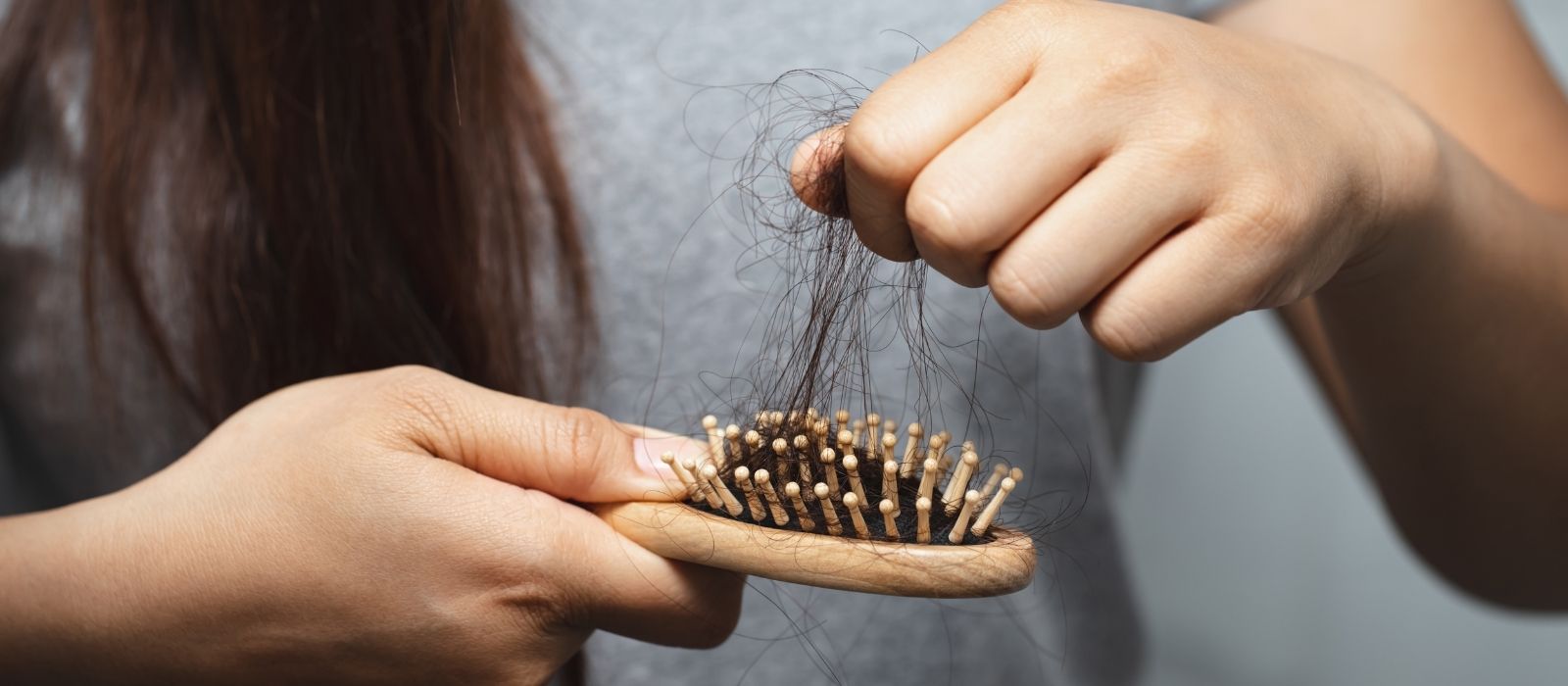
Hair thinning and hair loss are different problems with different solutions. Here's how to tell which one you're dealing with, and what actually helps each one.
Your ponytail feels thinner. Your part looks wider. But when you run your hands through your hair, you're not pulling out handfuls of strands.
Your shower drain isn't clogged. Your pillowcase isn't covered in hair. So what's happening?
Your individual hair strands are getting finer. This is completely different from losing hair density, where you actually lose follicles or strands break off. When hair feels thinner without obvious shedding, each strand is becoming narrower in diameter. The result is less volume, reduced coverage at your scalp, and that frustrating feeling that your hair just isn't what it used to be.
Hair strand diameter and hair density are separate issues that get confused constantly. Losing hair density means fewer strands total, you can count them in your brush, on your pillow, going down the drain. Strand thinning means the same number of hairs but each one is finer. Both make your hair look thinner, but they happen for different reasons and respond to different treatments.
What Makes Individual Strands Get Finer
Hormonal shifts top the list. During menopause, declining estrogen reduces the diameter of new growth. The same thing happens during postpartum hair changes, though it's often overshadowed by the more dramatic shedding phase. Thyroid imbalances also affect strand thickness, both hyperthyroidism and hypothyroidism can produce finer hair over time.
Nutritional gaps hit strand diameter hard. Iron deficiency doesn't just cause hair loss. When your ferritin levels drop below 40 ng/mL, your body produces thinner strands before it stops producing them entirely.
Protein deficiency works the same way. Your hair follicles are among the first to get rationed when amino acids run low.
Scalp inflammation shrinks hair follicles gradually. This isn't the obvious irritation from harsh products. It's the low-grade inflammation from conditions like seborrheic dermatitis or even scalp oil imbalances that go unnoticed for months. Inflamed follicles produce progressively thinner strands until they eventually stop producing altogether.
How to Tell Which Problem You're Dealing With
Count what's coming out. If you're losing more than 100-150 strands daily, you're dealing with density loss. Collect everything from your brush, shower, and pillowcase for a week. Strand thinning rarely increases shedding noticeably.
Check your part width in photos from six months ago. Widening parts usually indicate density loss. If your part looks the same width but your scalp shows through more, that points to strand thinning.
Feel a single strand between your fingers. Healthy hair should feel substantial, not wispy. If individual strands feel fragile or barely there, you're looking at diameter loss.
What Actually Helps Each Problem
For strand thinning, address the underlying cause first. Get your ferritin, vitamin D, and thyroid function tested. Ferritin should be above 70 ng/mL for optimal hair thickness. Vitamin D needs to stay above 30 ng/mL, though 50-80 ng/mL works better for hair health.
Topical treatments that improve blood flow help too. Scalp massage increases circulation to follicles. Rosemary oil diluted to 2% concentration matches minoxidil for improving strand thickness, according to research from Skinmed journal. Apply it three times weekly for at least six months.
For density loss, you need treatments that stimulate new growth or prevent further follicle shutdown. Minoxidil works for density but won't thicken existing strands. Derma rolling at 1.5mm depth once weekly can restart dormant follicles when combined with growth-promoting serums.
Both problems respond to comprehensive approaches that support overall follicle health. But knowing which issue you're dealing with prevents you from wasting time on treatments that target the wrong mechanism.
FAQ
Why does my hair feel thinner but I'm not losing more hair?
Individual hair strands are becoming finer in diameter, usually due to hormonal changes, nutritional deficiencies, or scalp inflammation. This reduces volume and coverage without increasing shedding.
Can hair strands get thicker again after thinning?
Yes, if you address the underlying cause. Hormonal, nutritional, and inflammatory causes of strand thinning are often reversible with proper treatment, though it takes 3-6 months to see new growth.
How long does it take to rebuild hair thickness?
New hair growth takes 3-4 months to emerge from the scalp and 6-12 months to reach noticeable length. Strand diameter improvements show up in new growth first, so patience is essential.
This article is for informational purposes only. It is not a substitute for professional medical advice, diagnosis, or treatment. Always consult a qualified healthcare provider before making changes to your health routine.