Postpartum hair shedding is normal, temporary, and has a predictable timeline. Here's what's actually happening and when you can expect it to stop.
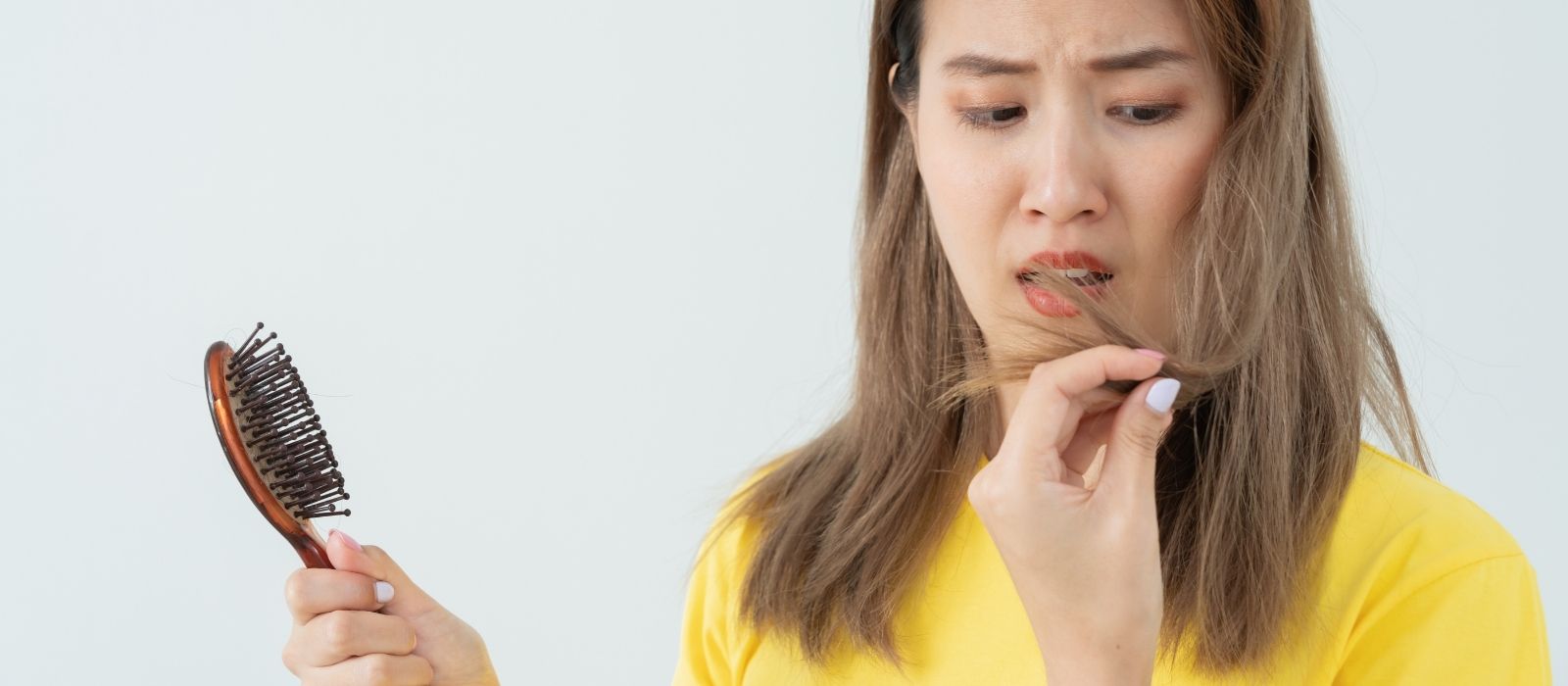
You're brushing your teeth three months after giving birth when you notice clumps of hair wrapped around the brush bristles. The shower drain catches more strands than usual. Your ponytail feels thinner, and suddenly you're googling "am I going bald" at 2 AM while your baby sleeps.
Postpartum hair loss isn't damage or a sign that something's wrong. It's telogen effluvium, a predictable biological response to the hormonal crash that happens after birth. Your hair isn't falling out because you're stressed or malnourished. It's falling out because during pregnancy, high estrogen levels kept hair that would normally shed in a growth phase instead.
When estrogen plummets after delivery, all that hair that should have fallen out over nine months drops at once. The timeline is specific: shedding typically starts around 3 months postpartum, peaks between 3-4 months, and resolves by 12 months. Knowing this makes it manageable. Not knowing it makes every shower feel like a crisis.
What's Actually Happening to Your Hair Follicles
During pregnancy, estrogen extends what's called the anagen phase, the active growth period of your hair cycle. Normally, about 10% of your hair is in telogen, the resting phase before it sheds. Pregnancy hormones keep more follicles in active growth, which is why many women notice thicker, fuller hair while pregnant.
After birth, estrogen levels crash within 24-48 hours. This hormonal shift pushes a large percentage of follicles into telogen simultaneously. The hair doesn't fall out immediately, it takes about 3 months for telogen hairs to actually shed. That's why postpartum hair loss has such a predictable delay.
Telogen effluvium affects the entire scalp diffusely, not in patches. You'll notice more hair in your brush, on your pillow, and circling the shower drain, but you won't see bald spots. The shedding happens all over, which is why your hair feels thinner overall rather than creating specific thin areas.
The Postpartum Shedding Timeline
Most women start noticing increased shedding around 3 months postpartum. This coincides with the 3-month telogen phase, the time it takes for hormonally shocked follicles to release their hair. Peak shedding typically happens between 3-4 months, when you might lose 300-400 hairs per day instead of the normal 50-100.
The Cleveland Clinic reports that postpartum telogen effluvium usually resolves within 6-12 months after birth. By 6 months, new growth should be visible as short, wispy hairs around your hairline. Full recovery to pre-pregnancy density typically takes 12-15 months total.
Breastfeeding can extend the timeline. Prolactin suppresses estrogen, which means your hormones stay in a postpartum state longer. Women who breastfeed exclusively might not see full recovery until after weaning, especially if they nurse past 12 months.
When Postpartum Hair Loss Isn't Normal
Telogen effluvium is diffuse and temporary. Hair loss that creates bald patches, starts immediately after birth, or continues past 12 months postpartum might indicate something else. Thyroid dysfunction affects up to 10% of postpartum women and can cause hair loss that looks similar to telogen effluvium but doesn't resolve on the typical timeline.
Iron deficiency is common postpartum, especially after heavy bleeding during delivery. Low iron can worsen hair shedding and delay recovery. If you're still losing significant amounts of hair at 12 months postpartum, check whether it's hormonal or nutritional by getting your thyroid function and iron levels tested.
Androgenetic alopecia, pattern hair loss, can also be triggered or accelerated by postpartum hormonal changes. This creates a different pattern of thinning, usually at the crown or temples, and doesn't recover without treatment.
What Actually Helps During Recovery
Supplements marketed for postpartum hair loss won't speed up telogen effluvium recovery because it's not caused by nutritional deficiency. Biotin, collagen, and hair vitamins don't change the biological timeline of follicle cycling. Your hair will recover when your hormones stabilize, regardless of what you take.
What does help is avoiding additional stress to your hair while it's in this vulnerable state. Scalp inflammation can disrupt growth, so keep your scalp clean but avoid harsh treatments. Skip tight hairstyles that create tension on already-fragile strands. Heat styling can make thinning more visible by reducing volume.
The most important intervention is time. Postpartum hair loss stops because your hormones return to baseline, not because of anything you apply or consume. Understanding that this is temporary makes the waiting period more bearable.
Frequently Asked Questions
When does postpartum hair loss stop completely?
Postpartum hair loss typically stops by 12 months after birth, with full density recovery taking 12-15 months. Breastfeeding can extend this timeline because prolactin keeps estrogen suppressed.
Is it normal to lose clumps of hair 4 months postpartum?
Yes, 3-4 months postpartum is peak shedding time for telogen effluvium. You might lose 300-400 hairs daily instead of the normal 50-100. This is the delayed response to hormonal changes at birth.
Can you prevent postpartum hair shedding?
No, postpartum telogen effluvium can't be prevented because it's caused by the natural hormonal crash after birth. Supplements and treatments don't change this biological timeline, but avoiding additional hair stress can prevent making it worse.
This article is for informational purposes only. It is not a substitute for professional medical advice, diagnosis, or treatment. Always consult a qualified healthcare provider before making changes to your health routine.