Oily scalp and dry ends aren't contradictory, they're the same distribution problem. Here's how to care for both without overcorrecting either.
Your hair feels greasy at the roots but brittle at the ends. You wash it daily, which makes the dryness worse. You skip washing to protect your ends, which makes the oiliness unbearable. You're stuck choosing which problem to fix, knowing the other will get worse.
This isn't two separate hair problems fighting each other. It's one distribution problem with a simple cause: the natural oils your scalp produces can't travel down your hair shaft to reach your ends. The result looks contradictory but makes perfect sense once you understand what's blocking that oil from moving where it needs to go.
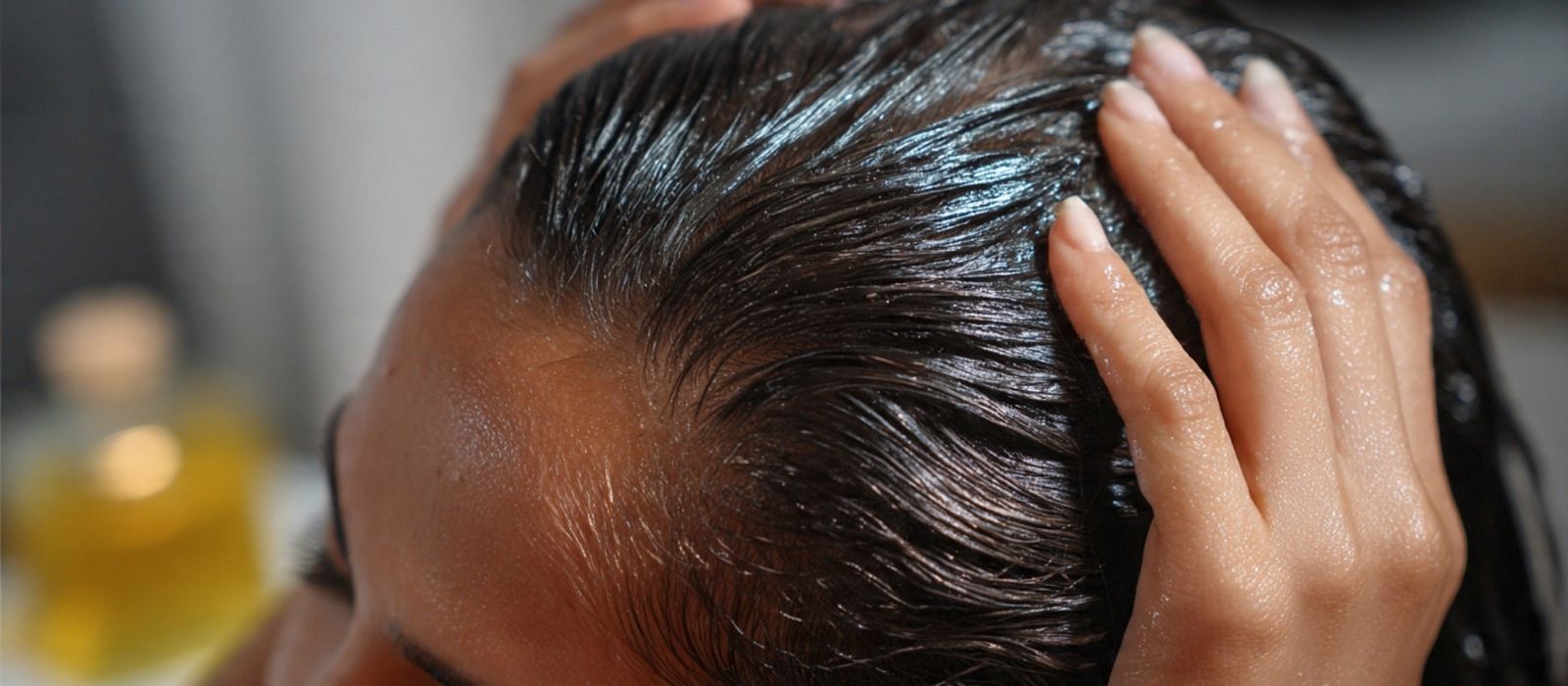
Your sebaceous glands produce sebum at the scalp. In healthy hair, that oil travels down each strand to moisturize and protect the entire length. But damaged hair cuticles, tight curl patterns, or chemical processing create roadblocks. The oil pools at your scalp instead of reaching your ends, leaving you with the worst of both worlds.
Why Sebum Gets Stuck at Your Scalp
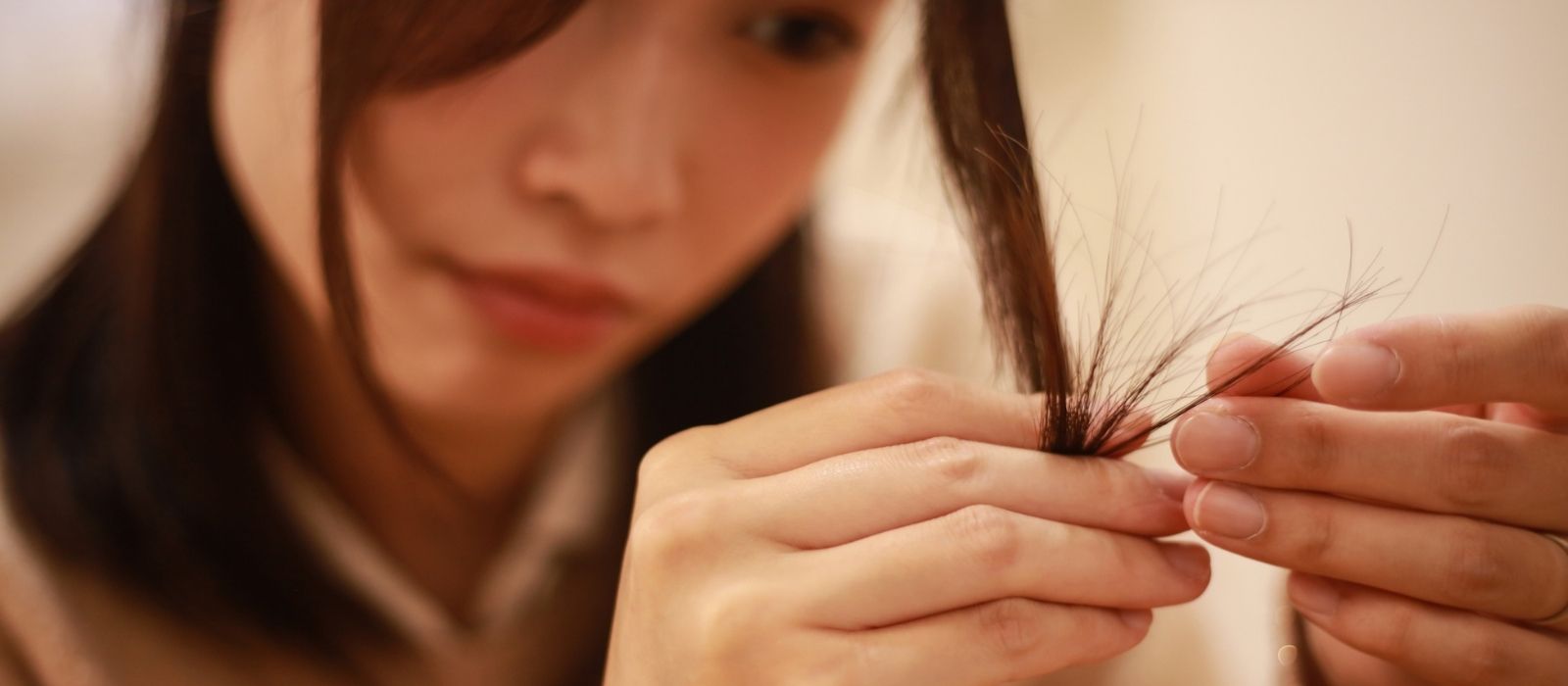
Hair damage creates microscopic gaps and raised cuticles that interrupt oil flow. Heat styling, chemical processing, and rough handling all contribute. The more damaged your hair, the harder it becomes for natural oils to slide down the shaft smoothly.
Curl pattern also affects distribution. Tightly coiled hair has more bends and turns that slow oil movement compared to straight hair. This is why people with textured hair often deal with oily scalp dry ends, even without chemical damage.
Hard water makes the problem worse by leaving mineral deposits that create additional friction along the hair shaft. Those minerals act like tiny speed bumps, preventing sebum from reaching your ends efficiently. Hard water affects your hair in ways that compound the distribution problem.
Why Traditional Hair Care Makes It Worse
Most people treat oily scalp dry ends like two separate problems. They use clarifying shampoos to strip oil from the scalp, then load on heavy conditioners and leave-in treatments for the ends. This approach backfires because you're removing the natural oil that should be protecting your entire hair shaft.
Daily washing strips your scalp of sebum faster than it can be replaced and moved down your hair. Your scalp responds by producing even more oil to compensate. Meanwhile, your ends get drier because they're not receiving any natural protection.
Heavy conditioning treatments at the scalp can clog follicles and weigh down your roots without addressing the underlying distribution issue. You end up with buildup at the scalp and still-dry ends.
How to Care for Oily Scalp Dry Ends
Wash your scalp, not your hair. Focus shampoo only on your scalp and let the suds rinse through your lengths without scrubbing. This removes excess oil and buildup from your scalp without over-stripping your ends.
Use a gentle, sulfate-free shampoo every other day instead of daily. This gives your natural oils time to move down your hair shaft while preventing excessive buildup. Co-washing works for some hair types as an alternative approach.
Apply conditioner only from mid-length to ends. Skip your scalp entirely unless you have a scalp-specific treatment. This protects your ends without adding weight or greasiness to your roots.
Use a boar bristle brush to manually distribute oils from scalp to ends. Brush gently from roots to tips before washing to help move natural sebum down your hair shaft. This works especially well for textured hair that struggles with oil distribution.
Sleep on silk or satin pillowcases to reduce friction that damages your hair cuticles. Less damage means better oil distribution over time. Small changes like this prevent the problem from getting worse while your hair recovers.
When Scalp Issues Compound the Problem
Scalp inflammation disrupts normal oil production and can worsen the distribution problem. Scalp inflammation affects hair growth and oil production in ways that make combination hair worse.
If your scalp is itchy, flaky, or irritated along with being oily, address the underlying inflammation first. A healthy scalp produces the right amount of oil and distributes it more effectively.
Frequently Asked Questions
Why is my scalp oily but my hair dry even though I don't use heat or chemicals?
Natural curl patterns, hard water minerals, or gentle daily friction from pillows and clothing can all disrupt oil distribution. Even undamaged hair can have distribution issues based on texture and environmental factors.
How long does it take to fix oily scalp dry ends?
You'll see scalp oil regulation improve within 2-3 weeks of adjusting your washing routine. Hair end hydration takes 6-8 weeks as damaged areas grow out and healthy hair takes their place.
Can I use dry shampoo if I have oily scalp dry ends?
Yes, but use it strategically. Apply dry shampoo only to oily areas at your scalp, never to your lengths or ends. This absorbs excess oil without further drying already-dry sections of your hair.
This article is for informational purposes only. It is not a substitute for professional medical advice, diagnosis, or treatment. Always consult a qualified healthcare provider before making changes to your health routine.