Your rough, bumpy skin isn't just texture, it's your skin barrier signaling for help. Learn what causes that sandpaper feeling and how to fix it for good.
You run your hand across your arm and it feels like sandpaper. Or it's your face that's rough, even though you follow every skincare rule. That uneven texture usually has a specific cause, and the fix depends on which one you have.
Most people assume rough skin needs more exfoliation. They scrub harder, use stronger acids and add more products, and the texture gets worse. Often the real problem is a dry, damaged barrier, not dead skin waiting to be scrubbed off.
Usually one of three things is going on: your skin barrier is weakened, keratin (the protein in your outer skin cells) is building up, or a skin condition is causing inflammation. Each needs a different approach.
What Makes Skin Feel Rough and Bumpy
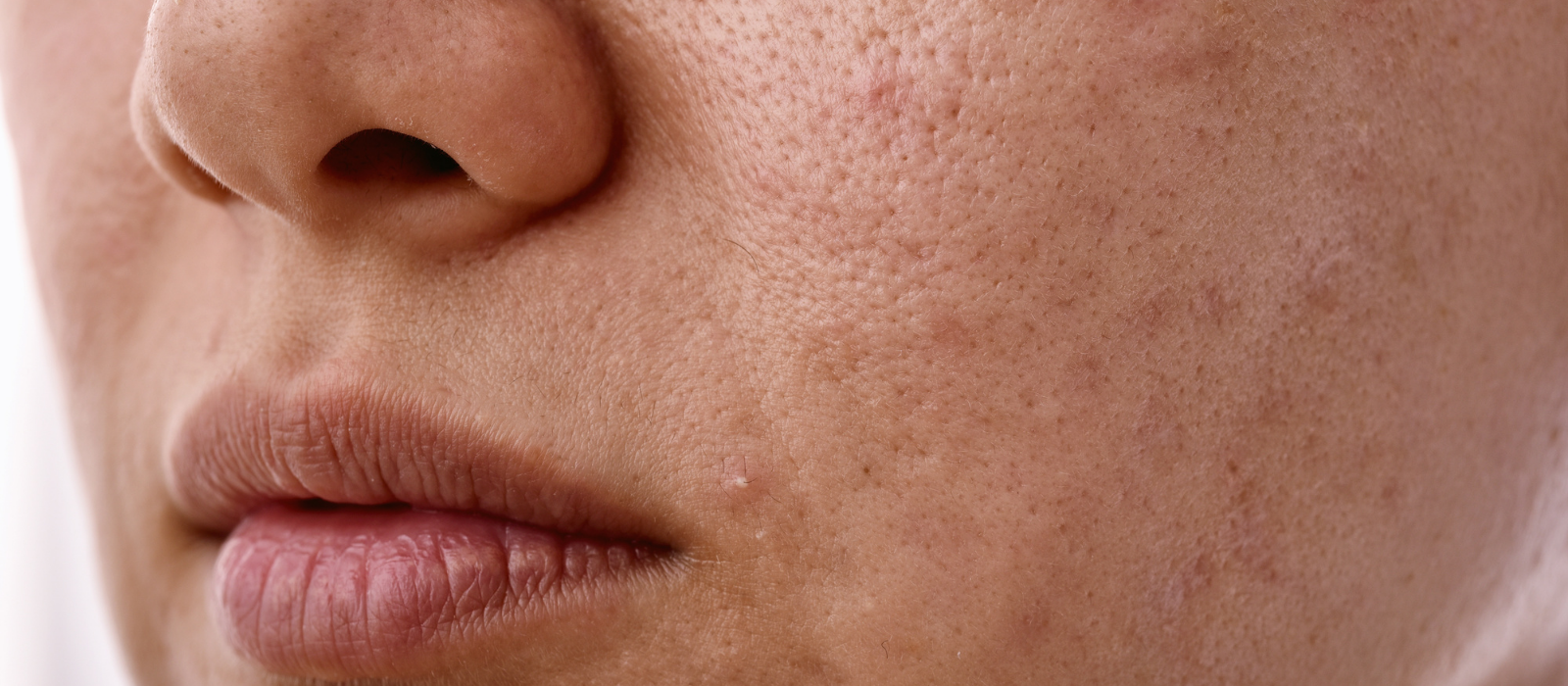
Your skin sheds its outer cells all the time and replaces them from below. When that process slows or gets disrupted, cells stick together instead of falling away cleanly, and the surface feels rough or looks bumpy.
The most common cause of bumps is keratosis pilaris, small rough bumps on the arms, thighs and sometimes the face. Keratin plugs the hair follicles and leaves something that feels like permanent goosebumps. DermNet estimates it affects around 40% of adults, and on brown or black skin the bumps often look darker than the skin around them.
Your skin barrier matters just as much. Over-washing, hot water, harsh products and cold weather all wear it down, and then your skin can't hold onto water. Dry skin feels rough across a whole area rather than bumpy, more like fine sandpaper.
Hormones play a part too. Skin often gets drier around perimenopause and menopause as estrogen falls, and rough patches can show up where there weren't any before.
How to Actually Get Smooth Skin
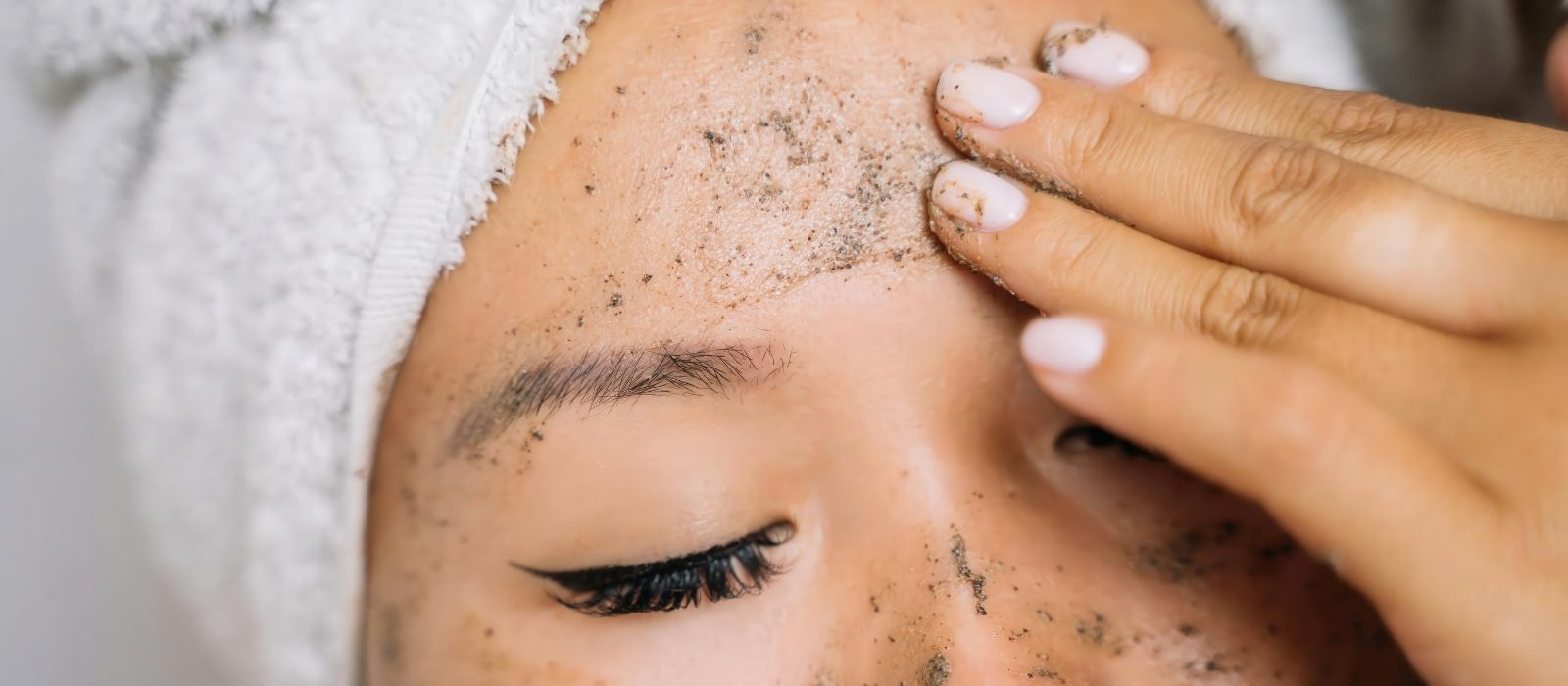
Start with gentle exfoliation, not scrubbing. Chemical exfoliants like salicylic acid or glycolic acid loosen the bonds holding dead cells together and are usually kinder than gritty scrubs. Use them 2 or 3 times a week, not daily.
For keratosis pilaris, combine the two. A salicylic acid body wash followed by a moisturizer with urea or lactic acid works for many people, and the American Academy of Dermatology recommends urea or lactic acid creams applied while the skin is still damp.
Fix your barrier first if your skin feels rough all over. Skin barrier repair means a gentle cleanser, a week off actives, and a cream with ceramides, glycerin or hyaluronic acid. Your skin needs to heal before it can shed cells properly.
Don't neglect your body skincare routine if the roughness is on your arms, legs or torso. Dermatologists recommend short, warm showers and a cream or ointment applied while your skin is still damp, since creams hold in more moisture than lotions.
When Rough Skin Means Something Else
Sometimes the texture isn't dryness or keratosis pilaris. Facial bumps can be fungal acne, milia or a reaction to a new product. If bumps are itchy, spreading or red and don't settle with gentle care, see a doctor or dermatologist.
Rough, scaly patches that appear suddenly and don't respond to moisturizer might be eczema, psoriasis or another inflammatory condition, and these need medical treatment rather than more products. A single rough or crusty patch is worth checking too: the NHS advises seeing a GP about skin that bleeds, crusts or scabs for more than 4 weeks.
Stress shows up in skin as well. Stress affects your skin microbiome and can make conditions like eczema flare.
FAQ
How long does it take to get smooth skin?
It depends on the cause. Roughness from dry skin is usually the quickest to improve once you moisturize every day. Keratosis pilaris is slower: if nothing has changed after 4 to 6 weeks, a dermatologist can suggest other options, and you'll need to keep the routine going to keep the results.
Can I use face products on rough body skin?
Yes. Serums with niacinamide or hyaluronic acid work fine on rough arms or legs. They're expensive to use over large areas, though, so look for body products with similar ingredients.
Why does my skin feel rough even after exfoliating?
You may be over-exfoliating, which damages your skin barrier and makes texture worse. Cut back to 2 or 3 times a week at most, moisturize daily, and give your skin a few weeks to recover. If the roughness stays, see a doctor, since eczema, psoriasis and other conditions can look like simple dryness.
This article is for informational purposes only. It is not a substitute for professional medical advice, diagnosis, or treatment. Always consult a qualified healthcare provider before making changes to your health routine.