Learn to identify your exact acne type and treat it correctly. From blackheads to cystic acne, get the right approach for clearer skin.
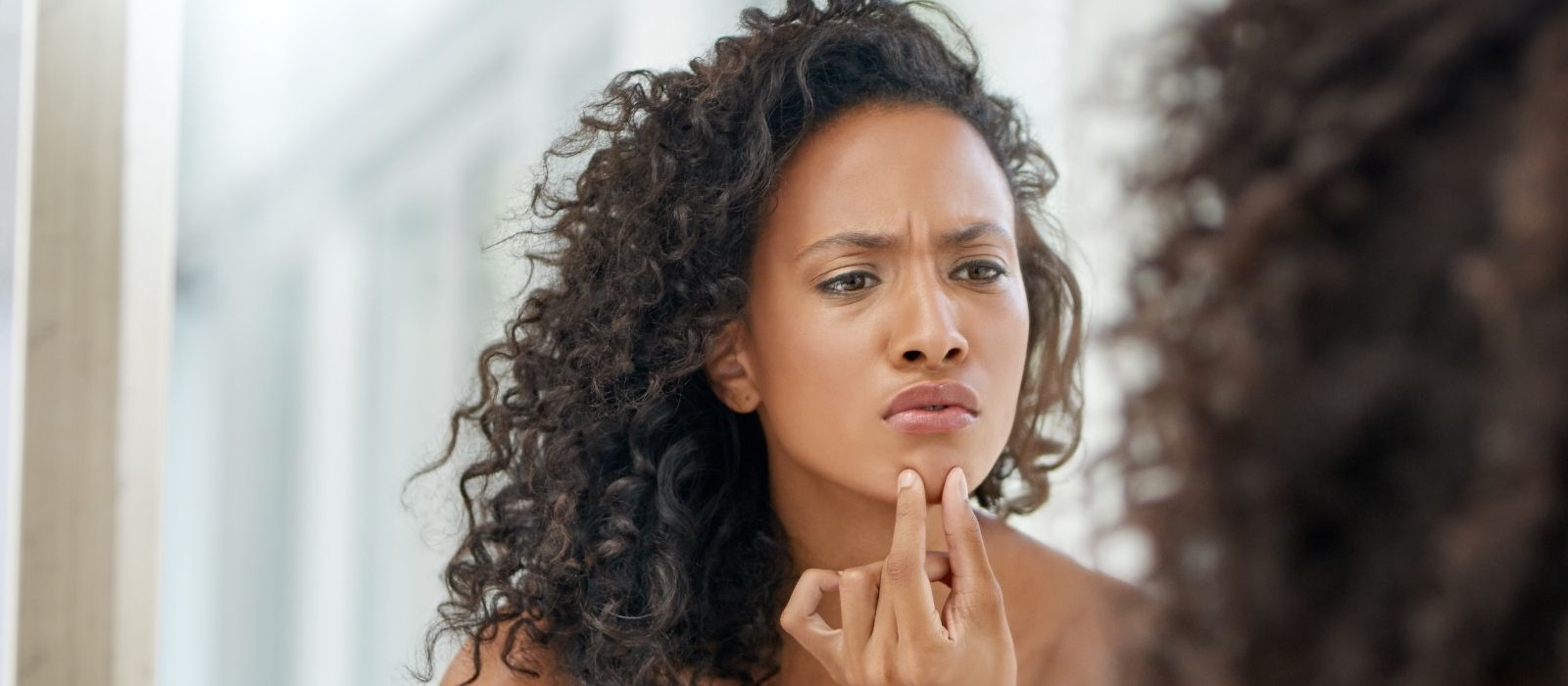
You've been staring at the bump on your chin for three days. It's not quite a whitehead and not exactly a blackhead, and the spot treatment that worked last month isn't touching it.
Different types of acne respond to different treatments, so working out which one you have is the first step. You may have more than one type at once, and the NHS lists six kinds of spot: blackheads, whiteheads, papules, pustules, nodules and cysts.
They fall into two groups. Non-inflammatory acne means blackheads and whiteheads, which respond to ingredients that unclog pores. Inflammatory acne means red, tender bumps, which also need ingredients that calm inflammation and target bacteria.
Non-Inflammatory Acne: Blackheads and Whiteheads
Non-inflammatory acne happens when dead skin cells and oil clog a pore without setting off inflammation. There's no redness or pain, just a blocked pore.
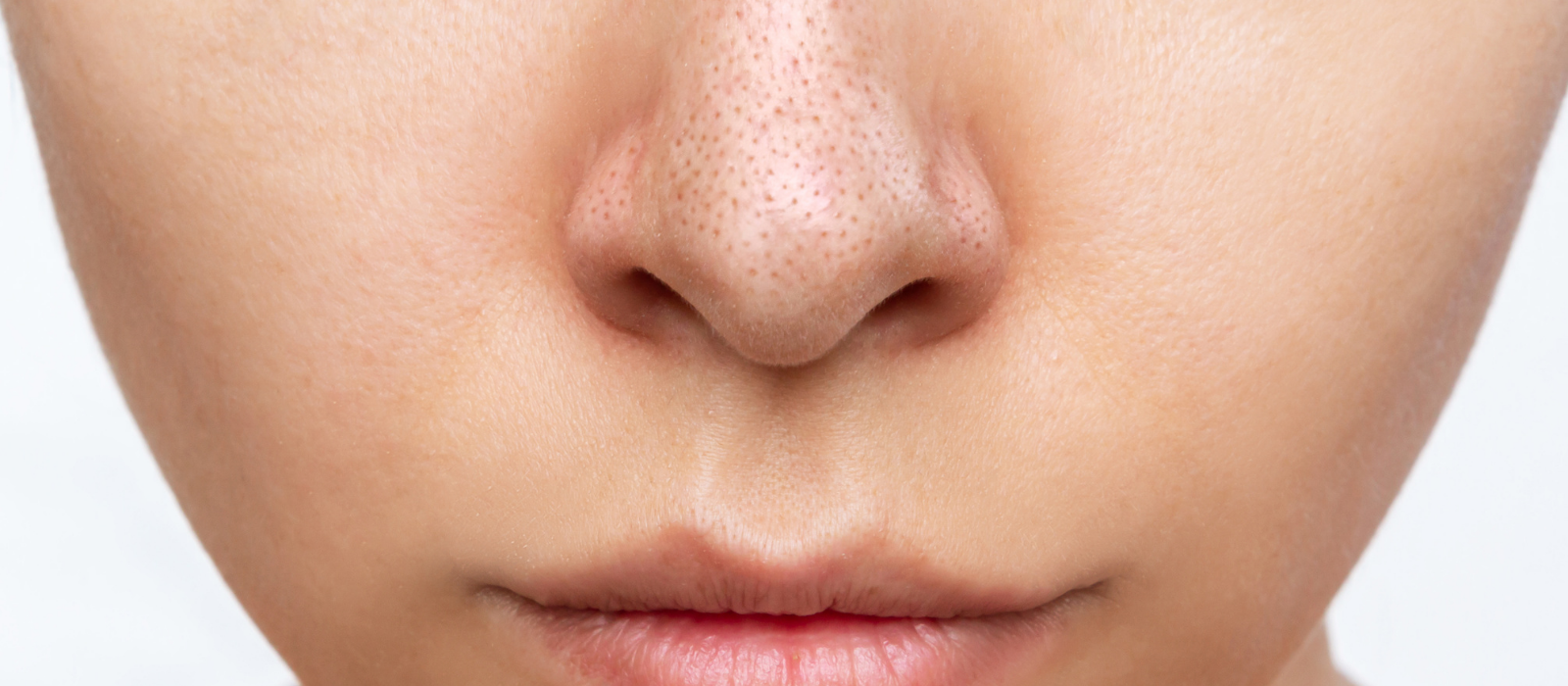
Blackheads are open comedones. The dark color isn't dirt; it comes from the contents reacting with air. They're usually flat and show up as dark dots, especially on the nose, chin and forehead. Sebaceous filaments often get mistaken for blackheads, but they're grayish and come back within days of squeezing.
Whiteheads are closed comedones. The pore opening is plugged, so you get small white or skin-colored bumps and can't see what's inside.
The AAD recommends a retinoid such as adapalene plus a benzoyl peroxide wash for both, and giving it 6 to 8 weeks. Salicylic acid also helps unclog pores; start around 0.5% and move up to 2% if your skin tolerates it. As a precaution, topical retinoids shouldn't be used in pregnancy, so ask a pharmacist for an alternative if you're pregnant or trying to be.
Inflammatory Acne: When Your Skin Fights Back
Inflammatory acne develops when a clogged pore becomes inflamed, with trapped oil, dead skin and bacteria setting off your immune system. That's where the redness, swelling and soreness come from.
Papules are small, hard, raised bumps without a head. They look pink or red on white skin and brown or purple on brown or black skin, and they feel tender. Lots of them together can make skin feel like sandpaper.
Pustules are similar but contain pus, so they have a white or yellow center. They're what most people picture when they think of a pimple. For both papules and pustules, the AAD suggests washing with a benzoyl peroxide or salicylic acid acne wash, and not popping them, which can make acne worse and raises the risk of scars.
Nodules and cysts sit deeper in the skin and can be painful. Nodules are hard and contain no pus; cysts contain pus. Both can leave scars, so see a dermatologist rather than trying to treat them at home.
The sooner deep breakouts are treated, the fewer scars they leave. Hormonal fluctuations often trigger these deeper breakouts along the jawline and chin.
What Type of Acne Do I Have? Check Where It Appears
Where your acne shows up can hint at the cause. Breakouts along the jawline and chin often follow hormonal changes in adult women, and in a 2014 survey of 105 women with acne, 65% said it got worse around their period. Body acne follows different patterns and needs different treatment from facial breakouts.
Tiny bumps along the hairline and upper forehead can come from oily hair products. Hats and touching your face can play a part too, and cheek breakouts are worth checking against your phone, pillowcase and makeup.
Match the treatment to the type. Blackheads and whiteheads need pore-clearing ingredients; red, inflamed spots also need something to calm them. Damaged skin barriers make any acne harder to treat, so gentle, consistent care beats aggressive attacks.
Frequently Asked Questions
How do I know if my acne is hormonal or just regular acne?
Timing and place are the best clues. Hormonal acne in adult women tends to sit along the jawline, chin and lower cheeks, flares around your period, and is often made of deeper, tender bumps. It can start in your 20s and 30s even if you had clear skin as a teenager.
Can I have multiple types of acne at the same time?
Yes, and many people do. You might have blackheads on your nose, whiteheads on your forehead and deeper bumps on your chin at once. That's why using different treatments on different areas often works better than putting the same product everywhere.
Why does my acne treatment work sometimes but not others?
Your breakouts may be changing with your cycle, stress or the seasons, and what clears blackheads won't always calm red, inflamed spots. You may also be stopping too soon, since most treatments need 6 to 8 weeks. Or you may be overdoing it, and the irritation can look like more acne.
This article is for informational purposes only. It is not a substitute for professional medical advice, diagnosis, or treatment. Always consult a qualified healthcare provider before making changes to your health routine.