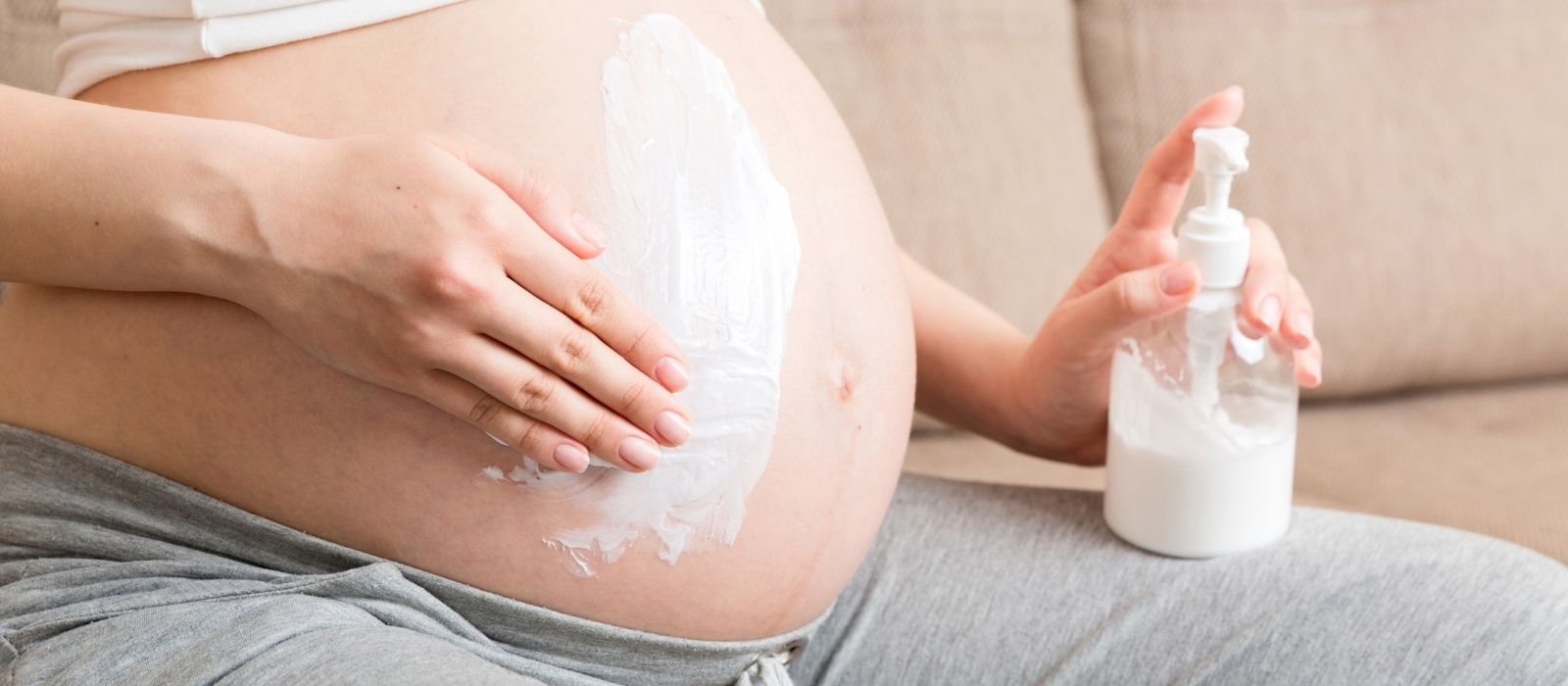
Your skin changes drastically after pregnancy. Here's what happens to melasma, stretch marks, acne, and texture, plus what actually helps during postpartum recovery.
Your skin changed during pregnancy. Dark patches appeared on your face. Your belly stretched more than you thought it could. Maybe you got the glow everyone talks about, or maybe you had breakouts for nine months straight.
Now the baby's here, and you're wondering when your skin will settle. Some changes fade within months, some take longer, and a few never fully reverse.
What happens to your skin after pregnancy depends on whether a change came from hormones or from stretching. Melasma often fades as estrogen and progesterone fall, but stretch marks are a kind of scar. Acne might clear or get worse depending on how your hormones stabilize, and your skin may stay drier and more sensitive for a while.
What the Hormone Drop Does to Your Skin
Estrogen and progesterone climb steeply during pregnancy, which affects pigment, oil glands and skin thickness. Once the placenta is delivered, those levels fall within days. That sudden drop sets off skin changes that can play out over months.
Melasma, the patchy darkening on the face, is very common in pregnancy. A 2023 review in American Family Physician puts it at up to 75% of pregnant women and says it usually fades after delivery, though it can come back with later pregnancies or the pill. For some women it doesn't fade, and melasma can last for years.
Your oil production changes too. If pregnancy cleared your skin, you might break out as hormone levels fall. If you had pregnancy acne, your skin might settle as things even out.
What Actually Fades and What Doesn't
Stretch marks are permanent. Collagen and elastic fibers tear as the skin stretches, and the American Academy of Dermatology describes them as scars. New marks look red, purple, pink or dark brown depending on your skin tone, then fade and flatten over time, but the texture stays.
The linea nigra, the dark line down your belly, is pigment without structural damage, and the same review says it usually fades within a few months of birth. Darkened areolas lighten too, though they may not return to their exact pre-pregnancy color.
Vein changes vary. Spider veins that appear in pregnancy mostly fade after delivery, according to the AAFP review, while varicose veins may not. Your skin barrier may also stay drier and more reactive for a while.
The Breastfeeding Factor
If you're breastfeeding, recovery can take longer. Prolactin, the hormone behind milk production, keeps estrogen low, so your skin may stay drier than usual. Some women don't see their skin settle until after they wean.
New parenthood also affects your stress hormones and skin microbiome. Broken sleep and stress can trigger breakouts and slow healing, and your skin may react to products you used without trouble before.
When Your Skin Barrier Needs Help
Pregnancy stretches and dries the skin, and many women find their barrier is weaker afterward. Signs include dryness that won't go away, stinging from products you used to tolerate, and skin that feels tight.
Belly skin often needs the most care. Fragrance-free moisturizers with ceramides, niacinamide or hyaluronic acid help it hold on to moisture. Skip harsh scrubs while it recovers.
Check actives before you use them. As a precaution, topical retinoids shouldn't be used in pregnancy, so if you might be pregnant again, or you're breastfeeding, ask your doctor or pharmacist before using retinoids or prescription lightening creams. Azelaic acid and benzoyl peroxide are among the treatments the AAFP review considers safe in pregnancy.
For melasma that's still there six months after birth, a vitamin C serum in the morning, a gentle exfoliant at night and daily sunscreen can help it fade. Consistency matters more than intensity: gentle, science-backed ingredients work better than harsh treatments that can trigger more pigment. If it won't budge, a dermatologist can talk you through prescription options, including whether they're suitable while breastfeeding.
How Long It Really Takes
Many hormonal skin changes settle in the months after birth, and if you're breastfeeding, some won't settle until you wean. Your skin may not go back to exactly what it was: stretch marks stay, and some pigment changes linger.
Some women find their skin improves in ways they didn't expect, with fewer breakouts or skin that tolerates products better than before.
Frequently Asked Questions
How long does it take for skin to go back to normal after pregnancy?
Many hormonal changes settle within months of giving birth, though it can take longer if you're breastfeeding. Stretch marks are permanent but fade. Melasma usually fades after delivery but can last longer in some women.
Why is my skin so bad after having a baby?
The fast drop in estrogen and progesterone after delivery changes oil production and can trigger breakouts. Broken sleep and stress add to that, and your skin may be drier and more sensitive after months of stretching and hormone changes.
Do stretch marks fade completely after pregnancy?
No. Stretch marks are a type of scar, so they're permanent. New red, purple or dark brown marks fade and flatten over time, but some change in texture and color usually remains.
This article is for informational purposes only. It is not a substitute for professional medical advice, diagnosis, or treatment. Always consult a qualified healthcare provider before making changes to your health routine.